Most Common Korean WordsThe 112 essential words to learn first — free list
If you learn only one set of Korean words first, make it these. This free list gathers the 112 most common Korean words — the pronouns, particles, verbs and everyday nouns that appear in almost every sentence. Each word has romanization and an English meaning, grouped by type so they actually stick. Together they cover the core of beginner (TOPIK 1) Korean.
Pronouns & “this / that”11
| Korean | Romanization | Meaning |
|---|---|---|
| 나 | na | I, me (casual) |
| 저 | jeo | I, me (polite/humble) |
| 너 | neo | you (casual) |
| 우리 | uri | we, us, our |
| 그 | geu | he, that person |
| 이것 | igeot | this (thing) |
| 그것 | geugeot | that, it |
| 저것 | jeogeot | that (over there) |
| 여기 | yeogi | here |
| 거기 | geogi | there (near you) |
 저기 저기 | jeogi | over there |
Question words8
| Korean | Romanization | Meaning |
|---|---|---|
| 누구 | nugu | who |
| 뭐 | mwo | what (spoken; 무엇) |
| 어디 | eodi | where |
 언제 언제 | eonje | when |
| 왜 | wae | why |
 어떻게 어떻게 | eotteoke | how |
 얼마 얼마 | eolma | how much (price) |
| 몇 | myeot | how many |
Essential verbs24
| Korean | Romanization | Meaning |
|---|---|---|
 하다 하다 | hada | to do |
 되다 되다 | doeda | to become |
| 있다 | itda | to exist, to have |
 없다 없다 | eopda | to not exist, to not have |
 가다 가다 | gada | to go |
| 오다 | oda | to come |
 보다 보다 | boda | to see, to watch |
 먹다 먹다 | meokda | to eat |
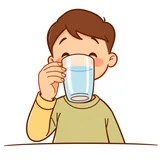 마시다 마시다 | masida | to drink |
 자다 자다 | jada | to sleep |
 사다 사다 | sada | to buy |
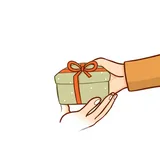 주다 주다 | juda | to give |
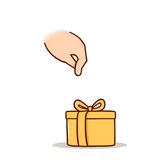 받다 받다 | batda | to receive, to get |
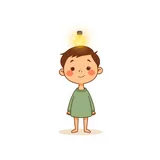 알다 알다 | alda | to know |
 모르다 르 모르다 르 | moreuda | to not know |
 말하다 말하다 | malhada | to speak, to say |
 듣다 ㄷ 듣다 ㄷ | deutda | to listen |
 읽다 읽다 | ikda | to read |
 쓰다 ㅡ 쓰다 ㅡ | sseuda | to write; to use |
 만나다 만나다 | mannada | to meet |
 일하다 일하다 | ilhada | to work |
 공부하다 공부하다 | gongbuhada | to study |
 좋아하다 좋아하다 | joahada | to like |
| 사랑하다 | saranghada | to love |
Common adjectives14
| Korean | Romanization | Meaning |
|---|---|---|
 좋다 좋다 | jota | to be good, nice |
 나쁘다 ㅡ 나쁘다 ㅡ | nappeuda | to be bad |
 크다 ㅡ 크다 ㅡ | keuda | to be big |
 작다 작다 | jakda | to be small |
 많다 많다 | manta | to be many, much |
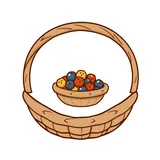 적다 적다 | jeokda | to be few, little |
 예쁘다 ㅡ 예쁘다 ㅡ | yeppeuda | to be pretty |
 맛있다 맛있다 | masitda | to be delicious |
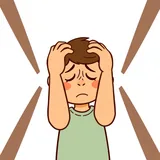 아프다 ㅡ 아프다 ㅡ | apeuda | to hurt, be sick |
 바쁘다 ㅡ 바쁘다 ㅡ | bappeuda | to be busy |
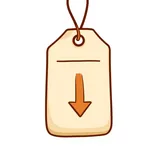 싸다 싸다 | ssada | to be cheap |
 비싸다 비싸다 | bissada | to be expensive |
 같다 같다 | gatda | to be the same |
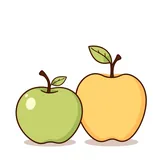 다르다 르 다르다 르 | dareuda | to be different |
Particles (the glue)14
| Korean | Romanization | Meaning |
|---|---|---|
| 은 / 는 | eun / neun | topic marker (as for…) |
| 이 / 가 | i / ga | subject marker |
| 을 / 를 | eul / reul | object marker |
| 의 | ui | “of”, possessive (’s) |
| 에 | e | at, in, to (place/time) |
| 에서 | eseo | at, in; from (place) |
| 도 | do | also, too |
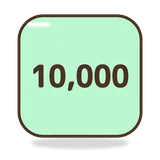 만 만 | man | only, just |
| 와 / 과 | wa / gwa | and; with (written) |
| 하고 | hago | and; with (spoken) |
| 로 / 으로 | ro / euro | by, with; toward |
| 에게 / 한테 | ege / hante | to (a person) |
| 부터 | buteo | from, starting from |
| 까지 | kkaji | until, up to |
Common nouns14
| Korean | Romanization | Meaning |
|---|---|---|
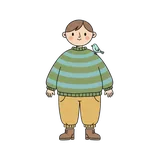 사람 사람 | saram | person |
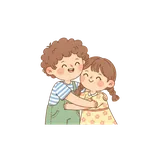 친구 친구 | chingu | friend |
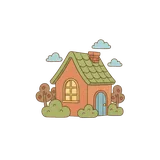 집 집 | jip | house, home |
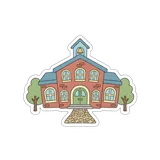 학교 학교 | hakgyo | school |
 물 물 | mul | water |
 밥 밥 | bap | rice; meal |
 음식 음식 | eumsik | food |
 일 일 | il | work; thing, matter |
 말 말 | mal | words, speech |
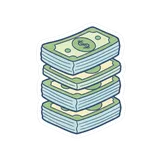 돈 돈 | don | money |
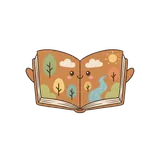 책 책 | chaek | book |
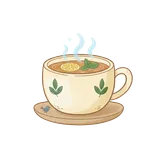 차 차 | cha | car; tea |
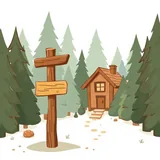 곳 곳 | got | place |
 이름 이름 | ireum | name |
Time words10
| Korean | Romanization | Meaning |
|---|---|---|
| 지금 | jigeum | now |
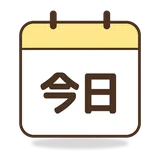 오늘 오늘 | oneul | today |
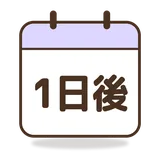 내일 내일 | naeil | tomorrow |
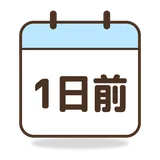 어제 어제 | eoje | yesterday |
 아침 아침 | achim | morning; breakfast |
 저녁 저녁 | jeonyeok | evening; dinner |
| 때 | ttae | time, when (the time of) |
 년 년 | nyeon | year |
| 시 | si | o’clock; hour |
 분 분 | bun | minute |
Adverbs & connectors12
| Korean | Romanization | Meaning |
|---|---|---|
 안 안 | an | not (before a verb) |
| 못 | mot | cannot, unable to |
| 아주 | aju | very |
| 정말 | jeongmal | really |
| 너무 | neomu | too, excessively |
| 조금 | jogeum | a little, a bit |
 많이 많이 | mani | a lot, much |
| 또 | tto | again; also |
| 그리고 | geurigo | and, and then |
| 그래서 | geuraeseo | so, therefore |
| 하지만 | hajiman | but, however |
| 그런데 | geureonde | but; by the way |
Must-know basics5
| Korean | Romanization | Meaning |
|---|---|---|
| 네 | ne | yes |
 아니요 아니요 | aniyo | no |
 안녕하세요 안녕하세요 | annyeonghaseyo | hello (polite) |
 감사합니다 감사합니다 | gamsahamnida | thank you (formal) |
| 이다 | ida | to be (copula: A is B) |
💡 Good to know
Particles are the “glue” of Korean: 은/는 marks the topic, 이/가 marks the subject, 을/를 marks the object. The exact form (은 vs 는, 이 vs 가) depends on whether the noun ends in a consonant or a vowel — learn the pair together. Verbs and adjectives are listed in their dictionary form (ending in 다); in real speech they take endings like the polite 해요 form.
FAQ
- What are the most common words in Korean?
- The most common Korean words are function words — pronouns like 나 (I) and 우리 (we), particles like 은/는, 이/가 and 을/를, and basic verbs like 하다 (to do), 있다 (to have/exist) and 가다 (to go). This page lists the 112 most essential ones with romanization and meanings.
- How many Korean words do I need to start speaking?
- A few hundred high-frequency words carry most everyday conversation. Start with these core words plus the most common particles, then add topic words (numbers, food, family) as you go. Knowing the particles and basic verbs matters more than memorising a long noun list.
- Is this list of common Korean words free?
- Yes — free with no sign-up, by a certified Korean teacher (한국어교원 2급). Open the linked lessons to see each word used in real sentences, or study them as flashcards.
- What order should I learn these Korean words in?
- Learn the pronouns and the three core particles (은/는, 이/가, 을/를) first, because they appear in nearly every sentence. Then the essential verbs and adjectives, then everyday nouns and time words. Review a small batch daily rather than cramming the whole list at once.
Written by Alvin Lim Certified Korean Language Teacher (Level 2)