Korean News & Trends
K-pop, K-drama, slang, and Korean culture — explained for learners, with the words and expressions behind the headlines.


Hangul Day (October 9): Why Korea Has a Holiday for Its Alphabet
한글날 (han-geul-lal), Hangul Day, falls on October 9 and is a national public holiday. It marks 훈민정음, the writing system created in 1443 and promulgated in 1446 under King Sejong — an alphabet whose consonant letters are drawn from the shape of the mouth.
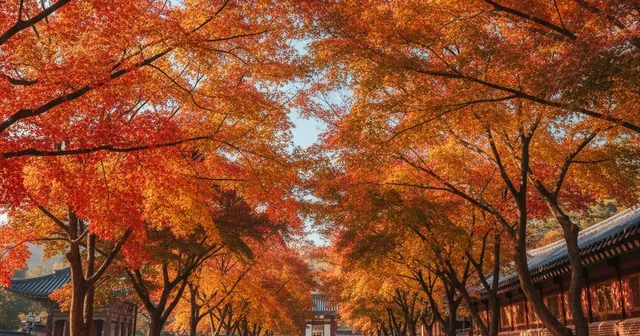
Korea Fall Foliage: 단풍 Season Words and How to Read the Forecast
Autumn in Korea has its own vocabulary. 단풍 (dan-pung) is the fall color, 단풍놀이 is the habit of going out to look at it, and every October a forecast map shows 첫단풍 (first color) and 절정 (peak). Here is how to read the map and what people actually say on the trail.
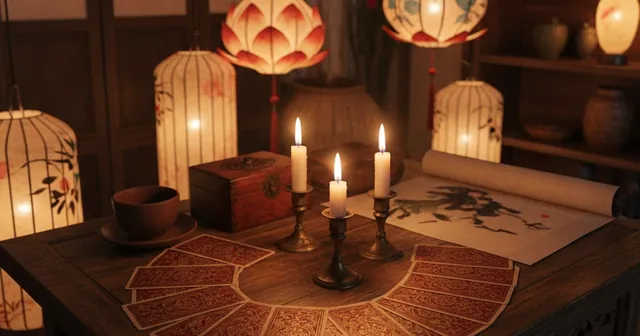
Korean Fortune Telling: 사주, 타로, and Korea's Fortune-Telling Cafés
사주 (sa-ju) reads your fate from your birth date and time, while 타로 (ta-ro) reads the cards you draw — and in Korea you can get either one over a coffee. Here's how a 사주카페 visit works, plus the vocabulary and phrases you need inside.

Korean MBTI Culture: Why MBTI가 뭐예요? Is Korea's Favourite Ice-Breaker
In Korea, MBTI가 뭐예요? (what's your MBTI?) has become the standard opening question with someone new, largely replacing the older 혈액형 (blood type) small talk. Here's how the conversation actually goes, and the personality vocabulary that comes with it.
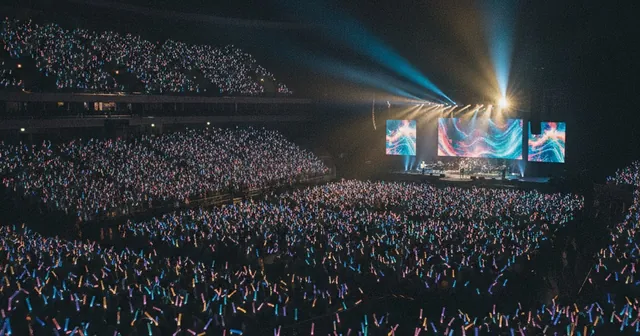
K-pop Fandom Terms Explained: 입덕, 성덕, 덕질 and What Fans Really Mean
Most K-pop fandom terms are real Korean words with real grammar behind them. 입덕 (ip-deok) is the moment you fall into a fandom, 성덕 (seong-deok) is the fan who made it — here's the vocabulary fans use every day, and what each word actually says.

K-Drama Lines You Always Hear: 대박, 진짜?, 어떡해 and 9 More
Every K-drama runs on the same short lines — 대박 (dae-bak, wow), 어떡해 (eo-tteok-hae, what do I do) and 헐 (heol, no way). Here are the twelve you hear in every episode, what each one means, and how tone flips them into the opposite reaction.

Korean Age Explained: 세는 나이 vs 만 나이 (and the 2023 Law)
Korea counts age two ways: 세는 나이 (se-neun na-i), which starts at one and turns over on January 1, and 만 나이 (man na-i), the international count. Here is how each works, what the 만 나이 통일법 changed, and how to say your age with 살 and 세.
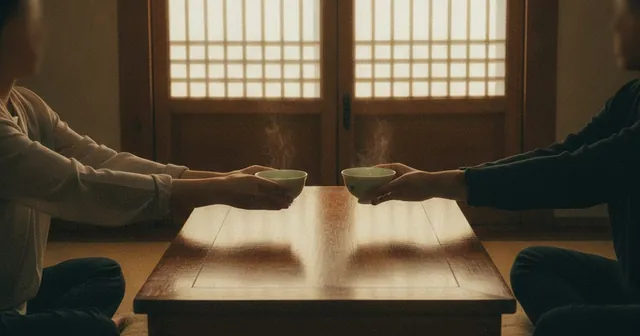
Banmal vs Jondaemal: How to Tell Korean Speech Levels Apart
존댓말 (jon-daen-mal) and 반말 (ban-mal) are the two big labels for Korean speech levels, and the sentence ending tells you which one you are hearing. Here is the taxonomy — which endings belong to which side, and how to spot the line in dramas and lyrics.
Oppa Meaning: 오빠, 언니, 형, 누나 and Korea's Relationship Map
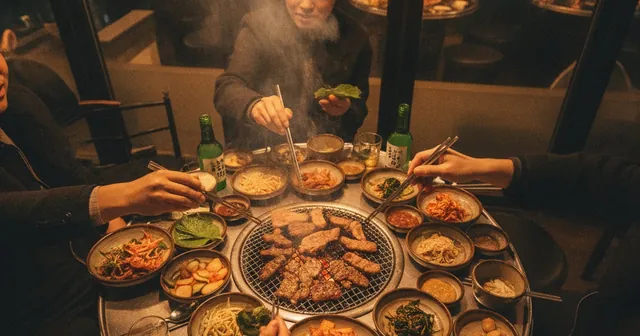
오빠 (o-ppa) and 형 (hyeong) both point at an older man — the word changes with who is speaking. Here is the full map of Korean relationship words by age, gender and closeness, plus 선배, 아저씨 and 이모.

Korean Variety Show Words: The Subtitle Slang You See on Every Episode
K-variety subtitles are famous for reacting to everything on screen. Here's the Korean variety show vocabulary behind them — from 현웃 (a genuine laugh) to 레전드 (a legendary moment) — so you can read along like a native fan.
Chuseok 2026: Dates, Korean Vocabulary, and What to Expect (추석이 다가와요)
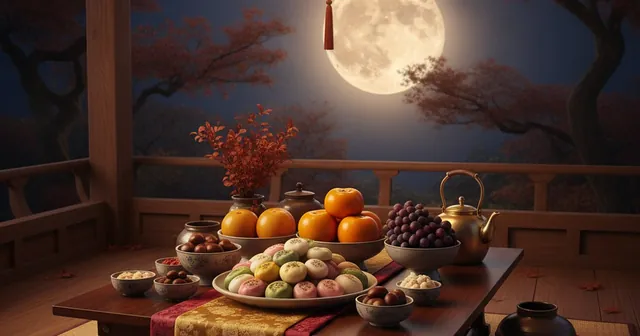
Chuseok 2026 (Korean thanksgiving) falls on Friday, September 25, with the holiday running September 24–26. Here are the dates and the Korean words you'll need — from 송편 (chu-seok rice cakes) to 귀성 (the trip home) — as the holiday approaches.

Webtoon Korean Words: Vocabulary for Reading 웹툰 Like a Fan
Love reading webtoons? Here's the Korean vocabulary every fan needs — starting with 웹툰 (webtoon) itself and 정주행 (jeongjuhaeng), the addictive binge-read-everything-in-one-go habit every webtoon fan knows.

Korean Part Time Job Words: Alba Vocabulary for Working Holiday
Heading to Korea on a working holiday visa? Here's the essential vocabulary for finding and working a part-time job — starting with 알바 (alba), the everyday word for a part-time gig, plus 시급 (hourly wage) and 면접 (interview).

One Room Korea: A Student's Guide to Korean Housing Deposit Vocabulary
Finding a one room (원룸) as a student in Korea means learning a whole new vocabulary fast — 보증금 (deposit), 월세 (monthly rent), 관리비 (maintenance fee), and more. Here's the Korean housing deposit vocabulary you'll actually need to hunt for a place.
Korean University Semester Start: Sugang Sincheong and Fall Vocabulary
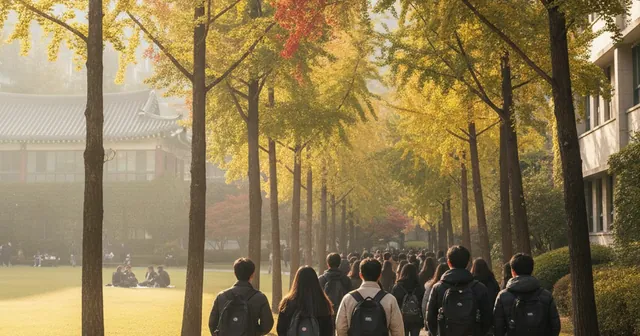
Korean universities kick off fall semester (개강) in late August or early September, and the first week runs on its own vocabulary — from 수강신청 (sugang sincheong, the course-registration scramble) to 새내기 (freshman). Here are the words you need for orientation week.
Liberation Day Korea (광복절): The Words You'll See and Hear on August 15
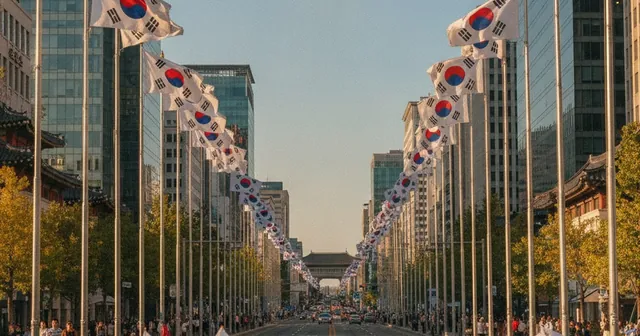
August 15 is Gwangbokjeol (광복절), Korea's Liberation Day — a national holiday marking the 1945 restoration of independence. Here's what the day is and the Korean words around it, from 태극기 (the national flag) to 게양하다 (to raise a flag).

Korean Gym Slang: 오운완, 헬창, and How Koreans Talk About Working Out
Korean gym slang has its own culture, led by 오운완 (o-un-wan) — short for '오늘 운동 완료,' or 'workout done today,' the caption under every gym selfie. Here's the vocabulary for talking about the gym like a regular in Korea.

Korean Concert Ticketing: Piketing, Sold Out, and How to Not Lose the War
Korean concert ticketing is famously brutal — fans call it 피켓팅 (piketing), a mashup of 'blood' and 'ticketing.' Here's the vocabulary you need to understand 예매 (pre-sale), 매진 (sold out), and how the whole ticket war works.
TOPIK 108 Guide: October 2026 Exam Dates, Registration, and Exam Vocabulary
In Korea, TOPIK 108 registration runs August 4–10, 2026, with the exam on October 17–18 (October 18 in Korea). Here are the key dates, how TOPIK works, and the Korean words you need on exam day — from 접수 (jeop-su, registration) to 합격 (hap-gyeok, passing).

Korean Skincare Shopping: K-Beauty Store Words and Phrases
Walking into a Korean beauty drugstore means hearing 스킨 (toner), 세일 (sale), and 찾으시는 거 있으세요? (looking for something?) within seconds. Here's the vocabulary for Korean skincare shopping, from picking a 선크림 to answering the staff politely.
Korean Photo Booth Culture: Four-Cut Photo Words (인생네컷)
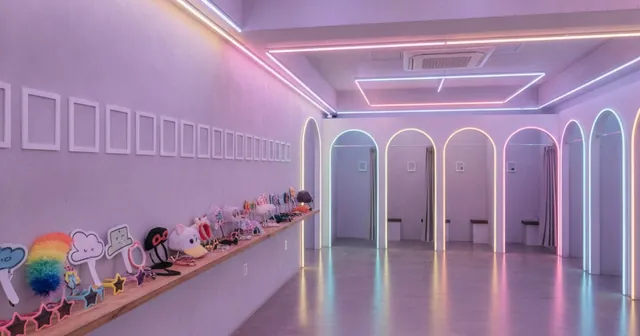
The Korean photo booth is everywhere — a quick four-cut photo strip with friends or a date. Here's the vocabulary for 인생네컷 (four-cut photos), from 포즈 (pose) and 소품 (props) to 보정 (retouching), so you can order your own strip like a local.
Korean Horror Words for Summer: How to Say Scary in Korean
Korean summer TV leans hard into ghost stories — a tradition called 납량특집 that uses a good scare to beat the heat. Here's how to say scary in Korean, from 귀신 (ghost) to 소름 돋다 (goosebumps).

Jjimjilbang 101: Korean Sauna Words and Etiquette for First-Timers
A jjimjilbang is more than a Korean sauna — think bathhouse, heated rooms, and an overnight lounge in one building. Here's the vocabulary and etiquette for your first visit, from 사우나 to the famous 양머리 (yang-meo-ri) towel hat.

Noraebang: The Korean Karaoke Culture Guide (노래방 Vocabulary)
Noraebang means Korean karaoke room, and it is one of the most common ways friends hang out in Korea. Here is the vocabulary you need — 노래방, 마이크, 점수, 18번 — plus the culture around coin karaoke and go-to songs.

Korean Texting Slang: What Does ㅋㅋ Mean? (Chat Culture Guide)
Wondering what does ㅋㅋ mean in a Korean chat? It is laughter, made from the consonant ㅋ (like 'k'). Here is a guide to Korean texting slang — ㅋㅋ, ㅠㅠ, ㅇㅋ, ㄱㄱ — and the chat etiquette words every group chat runs on.

Korean Delivery App Words: How to Order Food in Korean
Korean delivery apps make it easy to order food in Korean without ever calling a restaurant. Here's the vocabulary you need — from 배달비 (delivery fee) to writing a 요청사항 (special request) — to order like a local.

When Perfume Becomes Nostalgia: The Night RESCENE Hit No. 1
Two songs, one night, five girls crying in pajamas — and the money the company refused to take. The finale of the RESCENE story is about a Korean word with two meanings, and why this No. 1 belonged to everyone watching.

The Great Reverse Run: How One YouTube Channel Dragged 'Love Attack' From No. 904 to No. 1
A channel name with no spaces, a gyaru Japanese lesson, a four-second Pokémon impression with 13 million views, and two comedian "uncles" in a sedan. This is the anatomy of the strangest chart climb in modern K-pop — and why it was never really about memes.

Korean Convenience Store Words: 1+1 Deals, Kimbap, and What to Order
Korean convenience stores (편의점) are everywhere and full of deals, snacks, and quick meals. Here's the vocabulary you need — from 삼각김밥 (triangle kimbap) to 1+1 promotions — to shop like a local.

Who Is RESCENE? The Underdog Girl Group That Just Took Over Korea
Five members, one tiny agency that refused to cut corners, and a title track that entered the charts at No. 904. Before you watch RESCENE cry over their first No. 1, you need to know how they were built — because this story is nothing like the K-pop you know.

Summer Vacation in Korean: 휴가, 피서, and Beach Words
Summer vacation in Korean centers on 휴가 (time off) and 피서 (escaping the heat) — from crowded beaches to cool mountain valleys. Here's the vocabulary for planning a Korean summer trip, including 물놀이 (water play) and 성수기 (peak season).

Han River Picnic Korean: Chimaek, Ramyeon, and Summer Nights (한강)
Every summer, Seoul heads to the Han River for chimaek and instant ramyeon on the grass. Here's the Korean vocabulary for a Han River picnic — from 한강 (Han River) to 치맥 (chicken and beer) — so you can order, chat, and enjoy the night view like a local.

얼죽아 Summer: Korea's Iced-Coffee Obsession and the Words for It
Koreans drink iced americano all year — even in winter. As summer hits, here's the Korean behind the obsession: 아아, 얼죽아, and how to order your coffee in a Korean cafe like a regular.
K-pop Comeback Season: The Korean Words Every Fan Sees This Summer
Summer 2026 is packed with K-pop comebacks, from i-dle to Stray Kids. Learn the Korean words that come with every release — 컴백, 타이틀곡, 음방, 1위 — so the news, charts, and fan posts finally make sense.
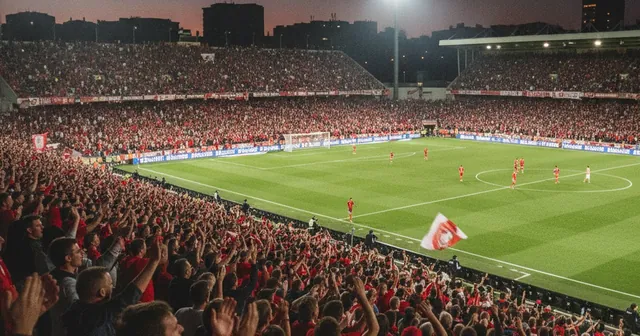
World Cup Korean: Soccer Words and How Koreans Cheer (대~한민국!)
The 2026 World Cup runs through July 19, and Korea's team gave fans a dramatic ride. Here's the Korean soccer vocabulary and the famous Korean way of cheering — from 골! to the 대~한민국 chant — so you can follow the matches like a local.
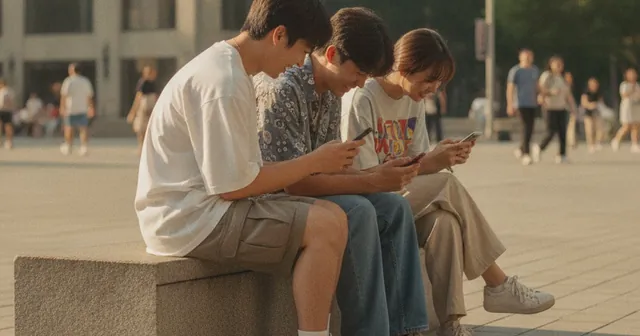
Korean Slang in 2026: 6 Internet Words You'll Actually Hear
From 알잘딱깔센 to 이왜진, here are the Korean slang words trending online and in K-content in 2026 — what each one means, how it's built, and how to use it without sounding off.

New K-Dramas Everyone's Watching in June 2026 — and the Korean You'll Pick Up
June 2026's K-drama lineup is led by the Netflix hit 'Teach You a Lesson.' Here's what's airing — plus the everyday Korean, from 참교육 to drama staples, that these shows will teach your ear.
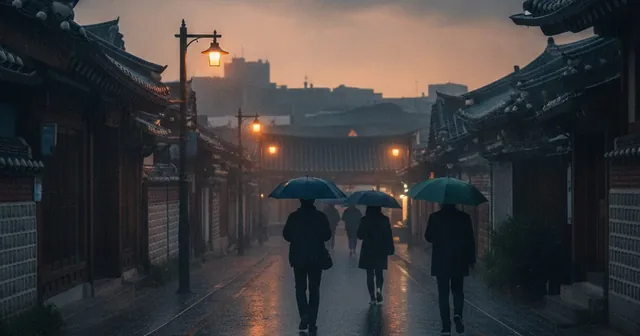
Korea's Rainy Season & Summer: Words for 장마, 삼계탕, and Beating the Heat
Late June means 장마 — Korea's monsoon season — is arriving, followed by a sweltering summer. Here are the Korean words and cultural customs you'll need, from rainy-day vocabulary to the soup Koreans eat to fight the heat.