Korean Kitchen WordsKitchen & cookware words with romanization — free list
The Korean word for kitchen is 부엌 (bueok) or 주방 (jubang) in modern usage. Key utensils include 젓가락 (chopsticks), 숟가락 (spoon), and the indispensable 밥솥 (rice cooker). This free list covers appliances, cookware, and tableware.
| Korean | Romanization | Meaning |
|---|---|---|
 부엌 부엌 | bueok | kitchen (traditional) |
 주방 주방 | jubang | kitchen (modern) |
 냉장고 냉장고 | naengjan'go | refrigerator |
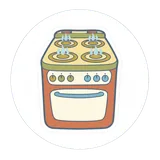 가스레인지 가스레인지 | gaseureinji | gas stove |
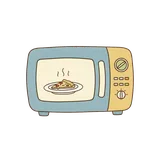 전자레인지 전자레인지 | jeonja reinji | microwave oven |
 그릇 그릇 | geureut | bowl / dish |
 접시 접시 | jeopsi | plate |
 컵 컵 | keop | cup / glass |
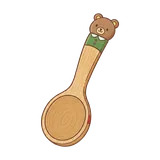 숟가락 숟가락 | sutgarak | spoon |
 젓가락 젓가락 | jeotgarak | chopsticks |
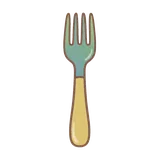 포크 포크 | pokeu | fork |
 칼 칼 | kal | knife |
 냄비 냄비 | naembi | pot / saucepan |
 프라이팬 프라이팬 | peurain'paen | frying pan |
 도마 도마 | doma | cutting board |
 주전자 주전자 | jujeonja | kettle / teapot |
 밥솥 밥솥 | bapsot | rice cooker |
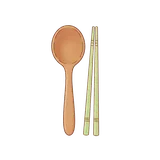 수저 수저 | sujeo | spoon-and-chopstick set |
 식탁 식탁 | siktak | dining table |
| 행주 | haengju | dish cloth / kitchen rag |
| 쟁반 | jaengban | tray |
| 국자 | gukja | ladle |
| 믹서 | mikseo | blender / mixer |
| 싱크대 | singkeudae | sink |
💡 Good to know
부엌 is the traditional word for kitchen; 주방 is the modern standard. 수저 refers to the chopstick-and-spoon set together — it's culturally important as Koreans often use metal chopsticks unlike in other Asian countries. 부엌 final consonant: ㄱ — pronounced bueok (neutral).
FAQ
- How do you say kitchen in Korean?
- Kitchen is 부엌 (bueok) — the traditional word — or 주방 (jubang) which is the modern standard. Both are correct; 주방 is more common in apartments and modern contexts.
- How do you say chopsticks and spoon in Korean?
- Chopsticks are 젓가락 (jeotgarak) and spoon is 숟가락 (sutgarak). Together they're called 수저 (sujeo). Korean chopsticks are notably made of metal, unlike the wooden ones common in China and Japan.
- What is a rice cooker called in Korean?
- Rice cooker is 밥솥 (bapsot), combining 밥 (cooked rice) and 솥 (pot). It's an essential kitchen item in Korean households. The word 밥 also means meal in general.
A
Written by Alvin Lim Certified Korean Language Teacher (Level 2)