Korean Vegetable WordsVegetable names in Korean with romanization — free list
The word for vegetables in Korean is 채소 (chaeso) — 야채 (yachae) is also used in everyday speech. Essential Korean vegetables include 배추 (baechu, napa cabbage), 마늘 (maneul, garlic), and 고추 (gochu, chili pepper). This free list covers the vegetables found in Korean cooking.
| Korean | Romanization | Meaning |
|---|---|---|
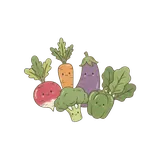 채소 채소 | chaeso | vegetables |
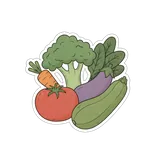 야채 야채 | yachae | vegetables (everyday term) |
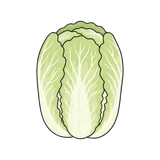 배추 배추 | baechu | napa cabbage |
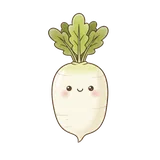 무 무 | mu | radish (Korean white radish) |
 당근 당근 | danggeun | carrot |
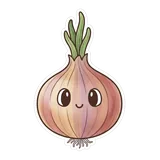 양파 양파 | yangpa | onion |
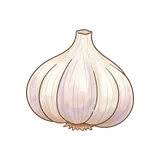 마늘 마늘 | maneul | garlic |
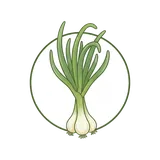 파 파 | pa | green onion / scallion |
 고추 고추 | gochu | chili pepper |
 감자 감자 | gamja | potato |
 고구마 고구마 | goguma | sweet potato |
 오이 오이 | oi | cucumber |
 호박 호박 | hobak | pumpkin / zucchini |
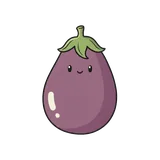 가지 가지 | gaji | eggplant |
 버섯 버섯 | beoseot | mushroom |
 콩 콩 | kong | bean / soybean |
 옥수수 옥수수 | oksusu | corn |
 시금치 시금치 | sigeumchi | spinach |
 상추 상추 | sangchu | lettuce |
| 깻잎 | kkaenip | perilla leaf (sesame leaf) |
| 브로콜리 | beurokoli | broccoli |
 토마토 토마토 | tomato | tomato |
| 피망 | pimang | bell pepper |
| 생강 | saenggang | ginger |
💡 Good to know
채소 is the standard term; 야채 (loanword from Japanese 野菜) is equally common in daily speech. Many Korean dishes — especially kimchi — are built around these vegetables. 고추 (chili pepper) and 마늘 (garlic) are the backbone of Korean flavor.
FAQ
- How do you say vegetables in Korean?
- Vegetables is 채소 (chaeso) — the standard term. 야채 (yachae) is equally common in everyday speech. Both are correct.
- How do you say garlic in Korean?
- Garlic is 마늘 (maneul). It's one of the most important ingredients in Korean cooking, used in kimchi, stews and almost every savory dish.
- What vegetables are used in kimchi?
- Traditional kimchi uses 배추 (napa cabbage), 고추 (chili pepper), 마늘 (garlic), 파 (scallion), and 무 (radish). The full vegetable list with romanization is above.
A
Written by Alvin Lim Certified Korean Language Teacher (Level 2)