Intermediate Korean Nature Vocabulary List (TOPIK 4)
A complete list of 88 intermediate-level Korean nature vocabulary words (TOPIK 4). Every word includes romanization and its English meaning, curated by a certified Korean language teacher. Filter to search, or switch levels below.
| Korean | Romanization | Meaning | Picture |
|---|---|---|---|
| 가뭄 | gamum | drought 올해는 가뭄이 심해서 농작물이 피해를 입었어요 The severe drought this year damaged the crops. | 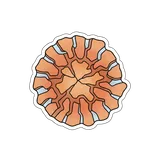 |
| 개구리 | gaeguri | frog 연못에 개구리가 많이 있어요 There are lots of frogs in the pond. | 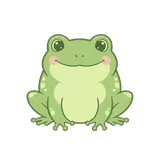 |
| 개미 | gaemi | ant 개미가 땅 위를 기어다녀요 An ant is crawling along the ground. | 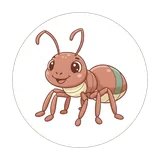 |
| 거미 | geomi | spider 거미가 거미줄을 치고 있어요 A spider is spinning a web. |  |
| 거북이 | geobugi | turtle 거북이가 천천히 걸어가요 The turtle is walking slowly. | 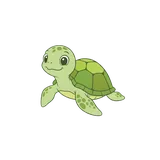 |
| 겨울철 | gyeoulcheol | winter season 겨울철에는 옷을 두껍게 입어요 I wear thick clothes in the winter. | 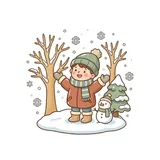 |
| 고등어 | godeungeo | mackerel 고등어를 구워서 먹었어요 I grilled some mackerel and ate it. | 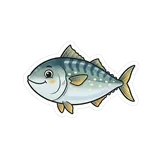 |
| 고래 | gorae | whale 바다에서 고래를 봤어요 I saw a whale in the ocean. |  |
| 고무 | gomu | rubber 이 장갑은 고무로 만들어졌어요 These gloves are made of rubber. | 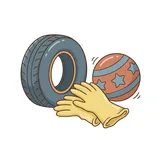 |
| 곡식 | goksik | grain, cereal crops 농부들이 곡식을 수확했어요 The farmers harvested the grain. | 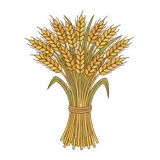 |
| 국화 | gukhwa | chrysanthemum 가을에 국화가 활짝 피었어요 The chrysanthemums were in full bloom in the fall. | 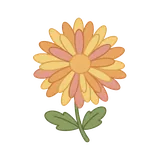 |
| 굴 | gul | cave, tunnel, burrow 산속의 굴에서 찬 바람이 나와요 Cold air comes out of a cave in the mountains. |  |
| 그늘 | geuneul | shade, shadow 더울 때 나무 그늘 아래 앉아요 I sit in the shade of a tree when it's hot. | 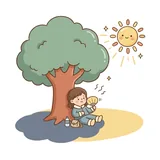 |
| 그림자 | geurimja | shadow 나무 그림자가 바닥에 생겼어요 The tree cast a shadow on the ground. | 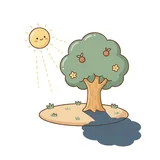 |
| 꽃잎 | kkonnip | flower petal 바람에 꽃잎이 떨어졌어요 The petals fell in the wind. | 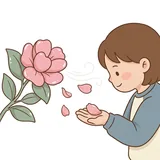 |
| 나뭇가지 | namutgaji | tree branch, bough 새가 나뭇가지 위에 앉아 있어요 A bird is perched on a tree branch. | 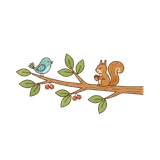 |
| 나비 | nabi | butterfly 꽃밭에 나비가 날아다녀요 A butterfly is flying around the flower garden. | 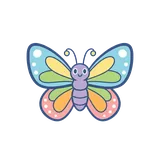 |
| 날개 | nalgae | wing 새가 날개를 펼쳤어요 The bird spread its wings. |  |
| 날아다니다 | naradanida | to fly around 새들이 하늘을 날아다녀요 날아다니다 → 날아다녀요 Birds are flying around in the sky. | 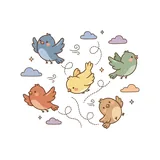 |
| 녹이다 | nogida | to melt, to thaw 냄비에 버터를 녹였어요 녹이다 → 녹였어요 I melted butter in a pot. | 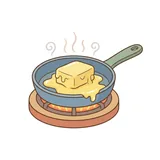 |
| 달빛 | dalbit | moonlight 달빛이 창문으로 들어왔어요 Moonlight came in through the window. |  |
| 밤새우다 | bamsaeuda | to stay up all night 시험 준비 때문에 밤새웠어요 밤새우다 → 밤새웠어요 I stayed up all night preparing for the exam. | 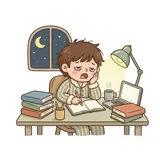 |
| 벌레 | beolle | insect, bug 여름에는 벌레가 많이 나와요 There are a lot of bugs in the summer. |  |
| 불꽃 | bulkkot | flame, spark 모닥불의 불꽃이 활활 타올라요 The flames of the campfire are blazing. |  |
| 새끼¹ | saekki | young (of an animal), baby animal · 새끼를 낳다 고양이가 새끼를 낳았어요 The cat had kittens. |  |
| 새다¹ | saeda | to leak, to seep · 물이 새다 · 비가 새다 지붕에서 물이 새고 있어요 새다 → 새고 Water is leaking through the roof. | 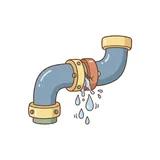 |
| 소나무 | sonamu | pine tree 소나무는 겨울에도 푸르러요 Pine trees stay green even in winter. | 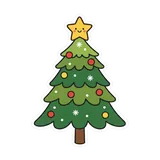 |
| 시들다 | sideulda | to wither, to wilt 물을 안 주면 꽃이 시들어요 시들다 → 시들어요 Flowers wilt if you don't water them. | 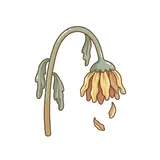 |
| 쓰러지다 | sseureojida | to collapse, to fall down, to pass out 너무 피곤해서 길에서 쓰러졌어요 쓰러지다 → 쓰러졌어요 I was so exhausted that I collapsed on the street. | 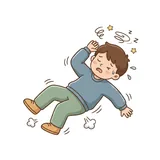 |
| 씨앗 | ssiat | seed 화분에 씨앗을 심었어요 I planted seeds in a flowerpot. | 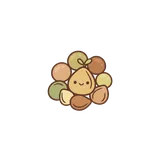 |
| 얼리다 | eollida | to freeze, to make freeze 냉동실에 생선을 얼렸어요 얼리다 → 얼렸어요 I froze the fish in the freezer. | 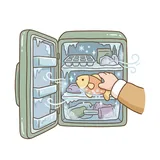 |
| 좌우 | jwau | left and right, both sides 좌우를 잘 살피고 건너세요 Look carefully both ways before crossing. | 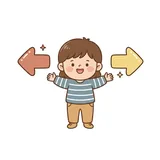 |
| 찌푸리다 | jjipurida | to frown, wrinkle (brow/face) 소식을 듣고 얼굴을 찌푸렸어요 찌푸리다 → 찌푸렸어요 I frowned when I heard the news. | 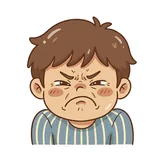 |
| 홍수 | hongsu | flood 홍수로 인해 많은 집이 물에 잠겼어요 Many homes were submerged in the flood. | 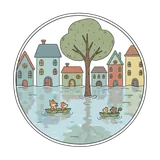 |
| 화창하다 | hwachanghada | to be clear and sunny, to be bright 오늘 날씨가 화창해요 화창하다 → 화창해요 The weather is clear and sunny today. | 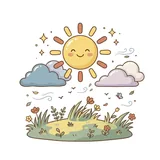 |
| 치다³ | chida | to blow, to rage (wind, storm); to strike (thunder) · 눈보라가 치다, 천둥이 치다 밤새 천둥이 치고 비가 많이 왔어요 치다 → 치고 It thundered all night and rained a lot. | 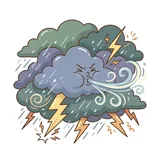 |
| 가지³ | gaji | branch (of a tree) · 가지를 꺾다, 나뭇가지 정원사가 나무의 마른 가지를 잘랐어요 The gardener cut off the dry branches of the tree. | 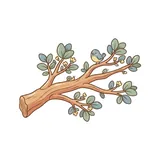 |
| 씻기다² | ssitgida | to be washed (away) · 물에 씻기다, 비에 씻기다 비가 오고 나니 먼지가 깨끗이 씻겨서 공기가 맑아요 씻기다 → 씻겨서 After the rain, the dust has been washed away and the air is clear. | 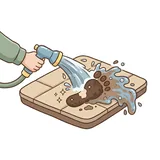 |
| 잠자리² | jamjari | dragonfly · 잠자리가 날아다니다, 잠자리를 잡다 아이가 잠자리를 잡으려고 뛰어다녀요 The child is running around trying to catch a dragonfly. | 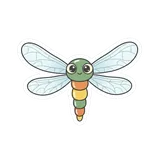 |
| 풀² | pul | grass, weeds · 풀이 자라다, 풀을 뽑다 마당에 풀이 많이 자라서 뽑았어요 A lot of weeds grew in the yard, so I pulled them out. | 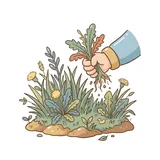 |
| 보호하다 L4-18 | bohohada | to protect 환경을 보호하기 위해 일회용품을 줄여야 해요 보호하다 → 보호하기 We need to use fewer disposable products to protect the environment. | |
| 강수량 | gangsuryang | precipitation, rainfall 이번 달 강수량이 많아요 There has been a lot of rain this month. | |
| 굳다 | gutda | to harden, to solidify 시멘트가 굳어서 단단해졌어요 굳다 → 굳어서 The cement set and became hard. | |
| 굳어지다 | gudeojida | to become hardened, to set 시멘트가 굳어져서 이제 모양을 바꿀 수 없어요 굳어지다 → 굳어져서 The cement has set, so I can't change its shape now. | |
| 기후 | gihu | climate 한국의 기후는 사계절이 뚜렷해요 Korea's climate has four distinct seasons. | |
| 깊이 | gipi | depth 이 호수의 깊이는 삼십 미터예요 This lake is thirty meters deep. | |
| 꼽다 | kkopda | to count, to pick out, to name 가장 좋아하는 음식을 꼽아 봐요 꼽다 → 꼽아 Try naming your favorite food. | |
| 꽂히다 | kkochida | to be stuck into, to be hooked on 이 책에 완전히 꽂혔어요 꽂히다 → 꽂혔어요 I'm completely hooked on this book. | |
| 날리다¹ | nallida | to flutter, to be blown about (in the wind) · 눈발이 날리다 · 바람에 날리다 바람에 나뭇잎이 날렸어요 날리다 → 날렸어요 The leaves were blown about by the wind. | |
| 날리다² | nallida | to waste, to squander · 돈을 날리다 돈을 날려서 후회해요 날리다 → 날려서 I regret wasting my money. | |
| 날아오다 | naraoda | to fly over, to come flying 새 한 마리가 창문으로 날아왔어요 날아오다 → 날아왔어요 A bird flew over to the window. | |
| 날카롭다 | nalkaropda | to be sharp, to be keen, to be acute 이 칼은 정말 날카로워요 날카롭다 → 날카로워요 This knife is really sharp. | |
| 내려앉다 | naeryeoanda | to settle down, to sink, to land 새가 나뭇가지에 내려앉았어요 내려앉다 → 내려앉았어요 A bird landed on a branch. | |
| 넘어오다 | neomeooda | to come over, to cross over 강 건너편에서 이쪽으로 넘어왔어요 넘어오다 → 넘어왔어요 I crossed over here from the other side of the river. | |
| 넘치다 | neomchida | to overflow, to be full of, to abound 컵에 물이 넘쳤어요 넘치다 → 넘쳤어요 Water overflowed from the cup. | |
| 늦가을 | neutgaeul | late autumn 늦가을이 되니 나뭇잎이 다 떨어졌어요 By late fall, all the leaves had fallen. | |
| 늦겨울 | neutgyeoul | late winter 늦겨울에 눈이 내렸어요 It snowed in late winter. | |
| 늦봄 | neutbom | late spring 늦봄에 꽃이 아직 피어 있어요 Flowers are still blooming in late spring. | |
| 늦여름 | neunnyeoreum | late summer 늦여름에 태풍이 자주 와요 Typhoons often come in late summer. | |
| 담² | dam | bile, gall · 담즙 담은 지방의 소화를 도와주는 액체예요 Bile is a fluid that helps digest fat. | |
| 독하다 | dokada | to be harsh, cruel, strong, potent 이 세제는 냄새가 너무 독해요 독하다 → 독해요 This detergent has a very strong smell. | |
| 막연하다 | magyeonhada | to be vague, hazy, unclear, indefinite 미래에 대한 계획이 막연해요 막연하다 → 막연해요 My plans for the future are vague. | |
| 무덥다 | mudeopda | to be hot and humid, sweltering 여름이라 날씨가 무더워요 무덥다 → 무더워요 It's hot and humid because it's summer. | |
| 발견 | balgyeon | discovery, finding 새로운 사실이 발견됐어요 A new fact was discovered. | |
| 밤새다 | bamsaeda | (of the night) to pass, for day to break 시험 전날 밤새도록 공부했어요 밤새다 → 밤새도록 I studied all night the night before the exam. | |
| 배다¹ | baeda | to permeate, to soak into (a smell or liquid) · 냄새가 배다, 기름이 배다 옷에 커피 냄새가 배었어요 배다 → 배었어요 The smell of coffee soaked into my clothes. | |
| 비치다 | bichida | to shine through, to be visible 커튼 사이로 빛이 비쳤어요 비치다 → 비쳤어요 Light shone through the gap in the curtains. | |
| 새기다 | saegida | to engrave, to carve; to bear in mind 나무에 이름을 새겼어요 새기다 → 새겼어요 I carved my name into the wood. | |
| 새다² | saeda | to dawn, to pass (night) · 날이 새다 · 밤이 새도록 밤이 새도록 친구와 이야기했어요 새다 → 새도록 I talked with my friend until dawn. | |
| 새우다 | saeuda | to stay up all night 공부하느라 밤을 새웠어요 새우다 → 새웠어요 I stayed up all night studying. | |
| 생김새 | saenggimsae | appearance, looks 그 사람은 생김새가 배우 같아요 That person looks like an actor. | |
| 서늘하다 | seoneulhada | to be cool, to be chilly 가을바람이 서늘해요 서늘하다 → 서늘해요 The autumn breeze is cool. | |
| 시집가다 | sijipgada | to get married (woman), to marry into family 언니가 지난달에 시집갔어요 시집가다 → 시집갔어요 My older sister got married last month. | |
| 썰렁하다 | sseolleonghada | to be chilly, to be cold and bleak 겨울 날씨가 썰렁해요 썰렁하다 → 썰렁해요 The winter weather is chilly. | |
| 오늘날 | oneullal | nowadays, these days 오늘날 스마트폰 없이 살기 어려워요 It's hard to live without a smartphone these days. | |
| 이튿날 | iteunnal | the next day, the following day 이튿날 아침에 다시 만났어요 We met again the next morning. | |
| 잘리다 | jallida | to be cut, to be fired 직장에서 잘리면 어떡하나 걱정돼요 잘리다 → 잘리면 I'm worried about what I'll do if I get fired. | |
| 잠자리¹ | jamjari | bed, place to sleep · 잠자리를 펴다, 잠자리가 불편하다 오늘 잠자리가 불편했어요 The bed was uncomfortable today. | |
| 전개 | jeongae | development, unfolding 이야기의 전개가 매우 흥미로워요 The way the story unfolds is very interesting. | |
| 제거 | jegeo | removal, elimination 불필요한 파일 제거를 해야 해요 I need to remove unnecessary files. | |
| 조정¹ | jojeong | adjustment, coordination · 일정 조정 · 날짜 조정 일정 조정이 필요해서 다시 이야기했어요 We discussed it again because the schedule needed adjusting. | |
| 초가을 | chogaeul | early autumn 초가을 날씨가 정말 좋아요 The weather in early fall is really nice. | |
| 초봄 | chobom | early spring 초봄에는 날씨가 따뜻해져요 The weather gets warmer in early spring. | |
| 풍기다 | punggida | to give off, to emanate 꽃에서 향기가 풍겼어요 풍기다 → 풍겼어요 A fragrance wafted from the flowers. | |
| 흐름 | heureum | flow, current, stream 시간의 흐름에 따라 변해요 It changes with the passage of time. | |
| 잠기다² | jamgida | to be submerged, to be flooded · 물에 잠기다 비가 많이 와서 길이 물에 잠겼어요 잠기다 → 잠겼어요 It rained so much that the road was under water. | |
| 장관² | janggwan | spectacular sight, magnificent view · 장관을 이루다 산 위에서 본 일출이 정말 장관이었어요 The sunrise we saw from the mountaintop was truly spectacular. | |
| 거두다² | geoduda | to harvest · 곡식을 거두다, 벼를 거두다 가을이 되면 농부들이 잘 익은 곡식을 거둬요 거두다 → 거둬요 In autumn, farmers harvest the ripe grain. |
FAQ
- How many TOPIK 4 Korean nature words are on this list?
- This page lists 88 intermediate-level Korean nature vocabulary words (TOPIK 4), each with romanization and an English meaning — free, by a certified Korean teacher.
- Is this nature word list free to use?
- It is free with no sign-up. Browse and search the full list online, switch TOPIK levels above, or open the matching lessons to study the words in context.
A
Written by Alvin Lim Certified Korean Language Teacher (Level 2)