Elementary Korean Time, Place & Movement Vocabulary List (TOPIK 2)
A complete list of 109 elementary-level Korean time, place & movement vocabulary words (TOPIK 2). Every word includes romanization and its English meaning, curated by a certified Korean language teacher. Filter to search, or switch levels below.
| Korean | Romanization | Meaning | Picture |
|---|---|---|---|
| 콧물 L2-09 | konmul | runny nose, nasal mucus 콧물이 나요 I have a runny nose. | 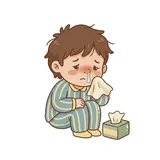 |
| 모퉁이 L2-05 | motungi | corner (of a street) 모퉁이를 도세요 Turn at the corner. | 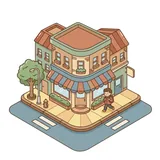 |
| 교통사고 | gyotongsago | traffic accident 교통사고가 났어요 There was a traffic accident. | 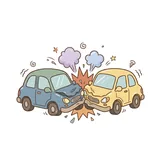 |
| 교회 | gyohoe | church 우리 동네 교회 건물은 은행 옆에 있어요 The church building in our neighborhood is next to the bank. | 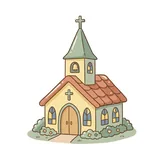 |
| 기차표 | gichapyo | train ticket 기차표를 샀어요 I bought a train ticket. | 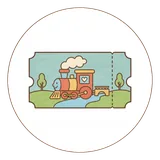 |
| 달력 | dallyeok | calendar 달력을 봐요 I look at the calendar. | 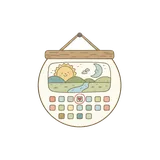 |
| 동물원 | dongmurwon | zoo 동물원에 가요 I'm going to the zoo. |  |
| 매표소 | maepyoso | ticket booth, ticket office 매표소에서 표를 사요 I buy a ticket at the ticket office. | 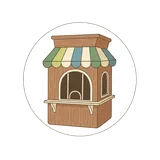 |
| 미끄러지다 | mikkeureojida | to slip, to slide 어제 눈이 와서 집 앞에서 미끄러졌어요 미끄러지다 → 미끄러졌어요 It snowed yesterday, so I slipped in front of my house. | 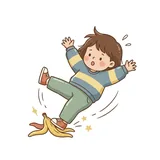 |
| 미술관 | misulgwan | art museum, art gallery 미술관에 가요 I'm going to the art museum. | 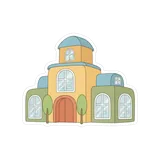 |
| 바닷가 | badatga | seaside, beach 바닷가에 가고 싶어요 I want to go to the beach. |  |
| 빌딩 | bilding | building, office tower 저 빌딩이 높아요 That building is tall. | 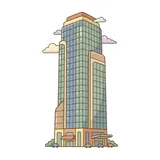 |
| 시골 | sigol | countryside, rural area 시골이 너무 조용해요 The countryside is very quiet. | 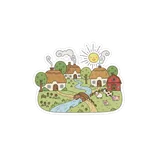 |
| 장난감 | jangnangam | toy 장난감을 샀어요 I bought a toy. |  |
| 재채기 | jaechaegi | sneeze 재채기가 나요 I'm sneezing. | 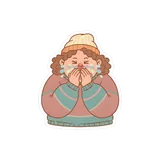 |
| 전철 | jeoncheol | subway, metro (electric railway) 전철을 타요 I take the train. | 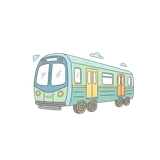 |
| 정거장 | jeonggeojang | stop, station, halt 다음 정거장에서 내려요 I get off at the next stop. | 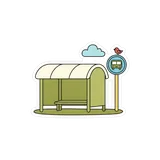 |
| 중학교 | junghakgyo | middle school, junior high 중학교에 다녀요 He goes to middle school. | 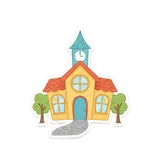 |
| 테니스장 | teniseujang | tennis court 테니스장에 갔어요 I went to the tennis court. | 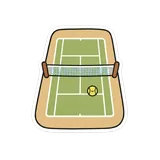 |
| 차² | cha | car, vehicle · 차를 타다/운전하다 아빠는 매일 차를 운전해요 My dad drives the car every day. | 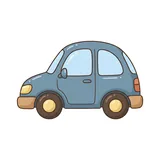 |
| 다리² | dari | bridge · 다리를 건너다 이 다리를 건너면 시장이 있어요 If you cross this bridge, there's a market. | 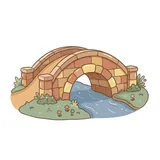 |
| 그동안 L2-01 | geudongan | in the meantime; all this while 그동안 어떻게 지냈어요? How have you been all this time? | |
| 돌다 L2-05 | dolda | to turn, to go around 오른쪽으로 도세요 돌다 → 도세요 Turn right. | |
| 사거리 L2-05 | sageori | four-way intersection 사거리에서 도세요 Turn at the intersection. | |
| 건너가다 | geonneogada | to cross over, go across 길을 건너가요 건너가다 → 건너가요 I cross the street. | |
| 걸어가다 | georeogada | to walk there, go on foot 학교까지 걸어가요 걸어가다 → 걸어가요 I walk to school. | |
| 걸어오다 | georeooda | to walk here, come on foot 지민 씨는 집에서 여기까지 걸어왔어요 걸어오다 → 걸어왔어요 Jimin walked here from home. | |
| 고속버스 | gosokbeoseu | express bus 고속버스로 가요 I go by express bus. | |
| 공휴일 | gonghyuil | public holiday 오늘은 공휴일이에요 Today is a public holiday. | |
| 과거 | gwageo | past, the past 과거는 바꿀 수 없어요 You can't change the past. | |
| 관광지 | gwangwangji | tourist attraction, tourist spot 유명한 관광지예요 It's a famous tourist spot. | |
| 광주 | gwangju | Gwangju (city) 광주에 가 봤어요? Have you been to Gwangju? | |
| 교통비 | gyotongbi | transportation fare 교통비가 비싸요 Transportation is expensive. | |
| 국내 | gungnae | domestic, within the country 국내 여행을 좋아해요 I like traveling within the country. | |
| 그날 | geunal | that day 그날이 기억나요 I remember that day. | |
| 그때 | geuttae | that time, then 그때가 좋았어요 Those were good times. | |
| 나타나다 | natanada | to appear, emerge 별이 나타났어요 나타나다 → 나타났어요 The stars came out. | |
| 나흘 | naheul | four days 나흘 동안 여행했어요 I traveled for four days. | |
| 남쪽 | namjjok | south, southern direction 남쪽으로 가세요 Go south. | |
| 내려가다 | naeryeogada | to go down, descend 계단으로 내려가요 내려가다 → 내려가요 I go down the stairs. | |
| 내려오다 | naeryeooda | to come down, descend 산에서 내려왔어요 내려오다 → 내려왔어요 I came down the mountain. | |
| 다음날 | daeumnal | next day, the following day 다음날 연락했어요 I contacted them the next day. | |
| 달리다 | dallida | to run 공원에서 달려요 달리다 → 달려요 I run in the park. | |
| 대구 | daegu | Daegu (city) 대구에 살아요 I live in Daegu. | |
| 대전 | daejeon | Daejeon (city) 대전에 가 본 적 있어요? Have you ever been to Daejeon? | |
| 댁 | daek | your home, you (honorific) 댁이 어디예요? Where do you live? | |
| 돌리다 | dollida | to turn, spin, rotate 핸들을 천천히 돌리세요 돌리다 → 돌리세요 Turn the steering wheel slowly. | |
| 동네 | dongne | neighborhood, local area 동네가 조용해요 The neighborhood is quiet. | |
| 동시 | dongsi | simultaneously, at the same time 동시에 말했어요 We spoke at the same time. | |
| 동쪽 | dongjjok | east, eastern direction 동쪽으로 가세요 Go east. | |
| 뒤쪽 | dwijjok | back side, rear 뒤쪽에 앉아요 I sit in the back. | |
| 들르다 | deulleuda | to stop by, drop in 카페에 들렀어요 들르다 → 들렀어요 I stopped by a café. | |
| 뛰어가다 | ttwieogada | to run there 버스 정류장까지 뛰어갔어요 뛰어가다 → 뛰어갔어요 I ran to the bus stop. | |
| 마중 | majung | going to meet someone 공항에 마중 나갔어요 I went to the airport to meet them. | |
| 마지막 | majimak | last, final 마지막 기회예요 It's the last chance. | |
| 매년 | maenyeon | every year, annually 매년 여행을 가요 I travel every year. | |
| 매달 | maedal | every month, monthly 매달 저축해요 I save money every month. | |
| 매주 | maeju | every week, weekly 매주 운동해요 I exercise every week. | |
| 명절 | myeongjeol | traditional holiday 명절에 고향에 가요 I go to my hometown for the holidays. | |
| 미래 | mirae | future 미래가 기대돼요 I'm looking forward to the future. | |
| 바깥 | bakkat | outside, exterior 바깥이 추워요 It's cold outside. | |
| 바깥쪽 | bakkatjjok | outside area, exterior side 바깥쪽에 있어요 It's on the outer side. | |
| 바닥 | badak | floor, ground, bottom 바닥이 미끄러워요 The floor is slippery. | |
| 방향 | banghyang | direction 방향을 알아요? Do you know which way to go? | |
| 보이다¹ | boida | to be seen, to be visible · 산이 보이다 저기 보여요? 보이다 → 보여요 Can you see it over there? | |
| 북쪽 | bukjjok | north side, northern direction 북쪽으로 가세요 Go north. | |
| 빠지다¹ | ppajida | to fall into, to sink (into) · 물에 빠지다, 구멍에 빠지다 길을 걷다가 깊은 구멍에 빠졌어요 빠지다 → 빠졌어요 I fell into a deep hole while walking along the road. | |
| 사흘 | saheul | three days 사흘 후에 봐요 See you in three days. | |
| 삼거리 | samgeori | three-way intersection, T-junction 삼거리에서 좌회전하세요 Turn left at the T-junction. | |
| 새벽 | saebyeok | dawn, early morning hours 새벽에 일어났어요 I got up at dawn. | |
| 새해 | saehae | new year 새해 복 많이 받으세요 Happy New Year! | |
| 생기다 | saenggida | to appear, to come into being, to arise 문제가 생겼어요 생기다 → 생겼어요 A problem came up. | |
| 서쪽 | seojjok | west side, western direction 서쪽으로 가세요 Go west. | |
| 설날 | seollal | Seollal, Korean Lunar New Year 설날에는 우리 가족이 모여서 떡국을 먹어요 On Seollal, my family gets together and eats rice cake soup. | |
| 세우다 | seuda | to set up, to establish, to erect 계획을 세웠어요 세우다 → 세웠어요 I made a plan. | |
| 속 | sok | inside, interior, within 가방 속에 있어요 It's inside the bag. | |
| 시내 | sinae | downtown, city center 시내에서 만나요 Let's meet downtown. | |
| 신호 | sinho | signal, sign 신호를 보냈어요 I sent a signal. | |
| 싣다 | sitda | to load, to carry, to publish 짐을 실었어요 싣다 → 실었어요 I loaded the luggage. | |
| 아래쪽 | araejjok | lower side, below, underneath 아래쪽에 있어요 It's on the lower side. | |
| 안쪽 | anjjok | inside, inner side 안쪽에 앉으세요 Please sit on the inside. | |
| 앞쪽 | apjjok | front side, front area 앞쪽에 앉으세요 Please sit in the front. | |
| 여쭙다 | yeojjupda | to ask (humble form) 선생님께 한 가지 여쭙고 싶어요 여쭙다 → 여쭙고 Teacher, I'd like to ask you one thing. | |
| 역사 | yeoksa | history 한국 역사에 관심 있어요 I'm interested in Korean history. | |
| 연세 | yeonse | age (honorific) 연세가 어떻게 되세요? May I ask how old you are? | |
| 열리다¹ | yeollida | to open, to be held (event) · 문이 열리다 문이 열렸어요 열리다 → 열렸어요 The door opened. | |
| 옆집 | yeopjip | next-door house, neighboring home 옆집이 시끄러워요 The house next door is noisy. | |
| 오래되다 | oraedoeda | to be old, to have existed long 오래된 건물이에요 오래되다 → 오래된 It's an old building. | |
| 위치 | wichi | location, position 위치가 어디예요? Where is it located? | |
| 이사 | isa | moving (house), relocation 다음 달에 이사해요 I'm moving next month. | |
| 이상¹ | isang | at least, or more, and above · 열 명 이상 열 명 이상 왔어요 Ten or more people came. | |
| 입구 | ipgu | entrance, entry 입구가 어디예요? Where is the entrance? | |
| 점심시간 | jeomsimsigan | lunch break, lunch hour 점심시간에 만나요 Let's meet at lunchtime. | |
| 정하다 | jeonghada | to decide, to set, to fix 날짜를 정했어요 정하다 → 정했어요 We set the date. | |
| 주위 | juwi | surroundings, around 주위를 살펴보세요 Look around you. | |
| 지나가다 | jinagada | to pass by, to go past 버스가 지나갔어요 지나가다 → 지나갔어요 The bus went by. | |
| 찾아가다 | chajagada | to go visit, to go to see 친구 집에 찾아갔어요 찾아가다 → 찾아갔어요 I went to visit my friend's house. | |
| 찾아오다 | chajaoda | to come visit, to come see 친구가 찾아왔어요 찾아오다 → 찾아왔어요 My friend came to see me. | |
| 출근 | chulgeun | commuting to work, going to work 아버지는 아침에 지하철로 출근을 해요 My father commutes to work by subway in the morning. | |
| 출장 | chuljang | business trip 출장 중이에요 He's on a business trip. | |
| 출퇴근 | chultoegeun | commuting (to and from work) 출퇴근이 힘들어요 Commuting is tough. | |
| 충분하다 | chungbunhada | to be sufficient, to be enough 시간이 충분해요 충분하다 → 충분해요 There's enough time. | |
| 편리 | pyeolli | convenience, ease 이 동네는 버스가 많아서 교통이 편리해요 This neighborhood has lots of buses, so getting around is convenient. | |
| 편안 | pyeonan | comfort, ease, relaxation 편안하게 쉬세요 Please rest comfortably. | |
| 해외여행 | haeoeyeohaeng | overseas travel, trip abroad 해외여행을 가고 싶어요 I want to travel abroad. | |
| 행동 | haengdong | action, behavior, conduct 행동이 달라요 Their behavior is different. | |
| 거리² | geori | distance (how far) · 거리가 멀다/가깝다 집에서 학교까지 거리가 가까워요 It's a short distance from home to school. | |
| 말³ | mal | end of a period, such as a month or year (기간) 말 · 이번 달 말 이번 달 말에 이사를 가요 I'm moving at the end of this month. | |
| 시² | si | city (as an administrative unit; the city government) · 서울시, 시에서 시에서 새 공원을 만들었어요 The city built a new park. |
FAQ
- How many TOPIK 2 Korean time, place & movement words are on this list?
- This page lists 109 elementary-level Korean time, place & movement vocabulary words (TOPIK 2), each with romanization and an English meaning — free, by a certified Korean teacher.
- Is this time, place & movement word list free to use?
- It is free with no sign-up. Browse and search the full list online, switch TOPIK levels above, or open the matching lessons to study the words in context.
A
Written by Alvin Lim Certified Korean Language Teacher (Level 2)