Intermediate Korean Time, Place & Movement Vocabulary List (TOPIK 4)
A complete list of 62 intermediate-level Korean time, place & movement vocabulary words (TOPIK 4). Every word includes romanization and its English meaning, curated by a certified Korean language teacher. Filter to search, or switch levels below.
| Korean | Romanization | Meaning | Picture |
|---|---|---|---|
| 가로등 | garodeung | streetlight, street lamp 밤에 가로등이 거리를 밝혀요 Streetlights light up the street at night. | 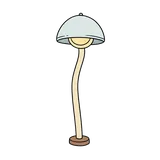 |
| 강의실 | ganguisil | lecture room, classroom 강의실이 너무 좁아요 The lecture room is too small. | 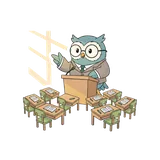 |
| 결혼식장 | gyeolhonsikjang | wedding hall, wedding venue 결혼식장에 꽃이 예쁘게 장식돼 있어요 The wedding venue is beautifully decorated with flowers. | 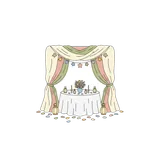 |
| 고층 | gocheung | high-rise, tall building 고층 건물에서 서울을 내려다봤어요 I looked down over Seoul from a high-rise building. |  |
| 구석 | guseok | corner, nook 방 구석에 상자를 뒀어요 I put a box in the corner of the room. | 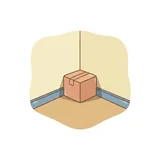 |
| 국제선 | gukjeseon | international route, international flight 국제선 비행기가 두 시간 후에 출발해요 The international flight departs in two hours. | 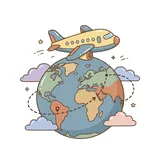 |
| 귀가 | gwiga | returning home 귀가 시간이 늦어졌어요 I've been getting home later. | 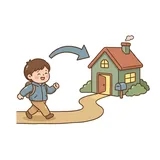 |
| 귀국 | gwiguk | returning to one's home country 유학을 마치고 귀국 준비를 해요 I've finished studying abroad and am getting ready to return home. | 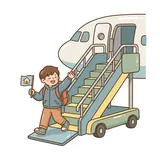 |
| 길가 | gilga | roadside, wayside 길가에 꽃이 많이 피어 있어요 Lots of flowers are blooming along the roadside. | 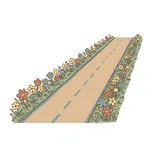 |
| 길거리 | gilgeori | street, roadway 길거리에서 친구를 만났어요 I ran into a friend on the street. | 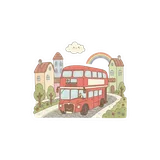 |
| 꼭대기 | kkokdaegi | top, summit, peak 산꼭대기까지 올라갔어요 I climbed to the top of the mountain. | 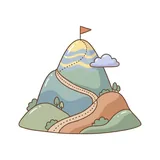 |
| 농촌 | nongchon | rural area, farming village 많은 젊은이들이 농촌을 떠나요 Many young people leave rural areas. | 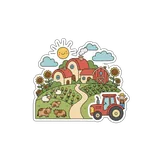 |
| 달려가다 | dallyeogada | to run toward, to run to 아이가 엄마에게 달려갔어요 달려가다 → 달려갔어요 The child ran to their mother. | 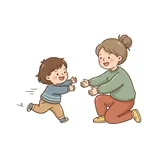 |
| 대로 | daero | boulevard, main road 가게는 큰 대로 옆에 있어요 The store is next to a wide main road. | 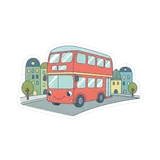 |
| 비틀거리다 | biteulgeorida | to stagger, to totter 갑자기 일어났더니 어지러워서 잠깐 비틀거렸어요 비틀거리다 → 비틀거렸어요 I stood up suddenly and staggered for a moment because I felt dizzy. | 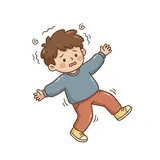 |
| 산길 | sangil | mountain path, mountain trail 산길을 따라 걸었어요 I walked along the mountain trail. | 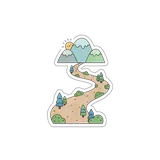 |
| 올라타다 | ollatada | to get on, to climb onto and ride 아이가 말에 올라탔어요 올라타다 → 올라탔어요 The child climbed onto the horse. | 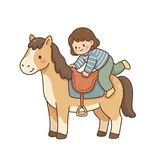 |
| 운전기사 | unjeongisa | driver, chauffeur 운전기사가 공항까지 데려다줬어요 The driver took me to the airport. | 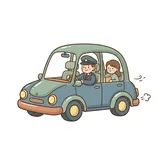 |
| 예⁴ | ye | old times, the past · 예로부터, 예나 지금이나 이 마을에는 예로부터 내려오는 축제가 있어요 This village has a festival that has been passed down for generations. | 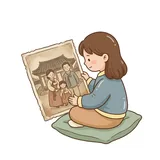 |
| 줄거리 L4-09 | julgeori | plot, storyline, summary 그 책의 줄거리를 친구에게 설명했어요 I explained the plot of the book to my friend. | |
| 가로막다 | garomakda | to block, to obstruct 차가 길을 가로막았어요 가로막다 → 가로막았어요 A car blocked the road. | |
| 각국 | gakguk | each country, various countries 각국 대표들이 회의에 참석했어요 Representatives from various countries attended the meeting. | |
| 거치다 | geochida | to pass through, to go via 서울을 거쳐서 부산으로 가요 거치다 → 거쳐서 I'm going to Busan via Seoul. | |
| 건너 | geonneo | the other side, across 강 건너에 공원이 있어요 There is a park across the river. | |
| 걸치다 | geolchida | to span, to drape over, to range 이 다리는 두 도시에 걸쳐 있어요 걸치다 → 걸쳐 This bridge spans two cities. | |
| 고국 | goguk | homeland, native country 오랫동안 고국을 그리워했어요 I missed my home country for a long time. | |
| 국외 | gugoe | overseas, abroad 그분은 국외에서 일하고 계세요 That person works overseas. | |
| 군¹ | gun | the military, the army · 군에 입대하다 군에 입대한 지 두 달이 됐어요 It's been two months since I joined the military. | |
| 근교 | geungyo | suburbs, outskirts 주말에 서울 근교로 나들이를 갔어요 I went on an outing to the outskirts of Seoul over the weekend. | |
| 근대 | geundae | modern times, modern era 근대 역사를 공부하고 있어요 I'm studying modern history. | |
| 근래 | geullae | recently, lately 근래에 날씨가 많이 더워졌어요 The weather has gotten much hotter lately. | |
| 나서다 | naseoda | to step forward, to come out, to take action 아무도 나서지 않아서 제가 나섰어요 나서다 → 나섰어요 No one else stepped forward, so I did. | |
| 나아가다 | naagada | to advance, to move forward, to progress 우리는 더 나은 미래를 향해 나아가요 나아가다 → 나아가요 We're moving toward a better future. | |
| 남북 | nambuk | north and south 이 도로는 도시를 남북으로 가로질러요 This road runs through the city from north to south. | |
| 내부 | naebu | interior, inside 건물 내부를 구경하고 싶어요 I'd like to look around inside the building. | |
| 내외 | naeoe | inside and outside, husband and wife 행사에 내외 귀빈을 모셨어요 We invited distinguished guests from home and abroad to the event. | |
| 너머 | neomeo | beyond, over the other side 산 너머에 작은 마을이 있어요 There is a small village on the other side of the mountain. | |
| 다가가다 | dagagada | to approach, to walk toward 아이가 강아지한테 다가갔어요 다가가다 → 다가갔어요 The child walked up to the puppy. | |
| 다가서다 | dagaseoda | to step closer, to move toward 강아지가 저한테 다가섰어요 다가서다 → 다가섰어요 The puppy stepped closer to me. | |
| 다가오다 | dagaoda | to come close, to approach 낯선 사람이 다가왔어요 다가오다 → 다가왔어요 A stranger approached me. | |
| 달려들다 | dallyeodeulda | to rush at, to charge toward 강아지가 사람에게 달려들었어요 달려들다 → 달려들었어요 The puppy lunged at a person. | |
| 달려오다 | dallyeooda | to come running 아이가 엄마를 보고 달려왔어요 달려오다 → 달려왔어요 The child saw their mother and came running. | |
| 두리번거리다 | duribeongeorida | to look around restlessly, to glance about 처음 온 곳이라 두리번거렸어요 두리번거리다 → 두리번거렸어요 It was my first time there, so I looked all around. | |
| 뛰어나오다 | ttwieonaoda | to run out of, to dash out 갑자기 밖으로 뛰어나왔어요 뛰어나오다 → 뛰어나왔어요 I suddenly ran outside. | |
| 만원 | manwon | being fully packed, full capacity 지하철이 만원이라서 못 탔어요 The subway train was packed, so I couldn't get on. | |
| 머뭇거리다 | meomutgeorida | to hesitate, to dawdle, to delay 발표 전에 머뭇거리지 마세요 머뭇거리다 → 머뭇거리지 Please don't hesitate before your presentation. | |
| 반짝거리다 | banjjakgeorida | to sparkle, to glitter, to twinkle 별이 밤하늘에 반짝거려요 반짝거리다 → 반짝거려요 The stars twinkle in the night sky. | |
| 번화하다 | beonhwahada | to be bustling, to be lively and busy 명동은 항상 번화해요 번화하다 → 번화해요 Myeongdong is always bustling. | |
| 운행 | unhaeng | operation, service (of transport) 지하철 운행이 곧 시작돼요 Subway service will start soon. | |
| 정반대 | jeongbandae | exact opposite 두 사람의 의견이 정반대예요 The two people have completely opposite opinions. | |
| 중얼거리다 | jungeolgeorida | to mumble, mutter 혼자서 중얼거리며 걸어갔어요 중얼거리다 → 중얼거리며 I walked along muttering to myself. | |
| 최대 | choedae | maximum, the most 이 건물은 최대 오백 명을 수용해요 This building can accommodate up to 500 people. | |
| 흔들리다 | heundeullida | to shake, to sway, to waver 바람에 나무가 심하게 흔들렸어요 흔들리다 → 흔들렸어요 The tree swayed violently in the wind. | |
| 고장² | gojang | region, locality (home area) · 고장 특산물, 우리 고장 이 고장은 사과가 맛있기로 유명해요 This area is famous for its delicious apples. | |
| 군² | gun | county (rural administrative district) · 양평군, 군청 우리 할머니는 작은 군에 있는 시골 마을에 사세요 My grandmother lives in a country village in a small county. | |
| 새³ | sae | moment, (short) while · 눈 깜짝할 새, 그새 아이들이 눈 깜짝할 새에 과자를 다 먹었어요 The kids ate all the snacks in the blink of an eye. | |
| 일시² | ilsi | temporarily, for a short time · 일시 중지, 일시 정지 엘리베이터 운행이 일시 중지됐어요 Elevator service has been temporarily suspended. | |
| 이전² | ijeon | relocation, transfer (of an office or site) · 사무실 이전, 본사 이전 회사 사무실 이전 때문에 이번 주는 정말 바빠요 I'm really busy this week because our company office is relocating. | |
| 보도² | bodo | sidewalk, footpath · 보도블록, 보도를 걷다 자전거는 보도 말고 자전거 도로로 다니세요 Please ride your bike on the bike lane, not the sidewalk. | |
| 전달² | jeondal | the previous month · 전달보다, 전달에 전달보다 전기 요금이 많이 나왔어요 The electricity bill was much higher than the previous month. | |
| 밀리다³ | millida | to be pushed back · 사람에게 밀리다, 뒤로 밀리다 사람들에게 밀려서 뒤로 몇 걸음 물러났어요 밀리다 → 밀려서 I was pushed by the crowd and moved back a few steps. | |
| 밀리다⁴ | millida | to be backed up (traffic) · 차가 밀리다, 도로가 밀리다 퇴근 시간이라 차가 밀려서 집에 늦게 도착했어요 밀리다 → 밀려서 Rush-hour traffic was backed up, so I got home late. |
FAQ
- How many TOPIK 4 Korean time, place & movement words are on this list?
- This page lists 62 intermediate-level Korean time, place & movement vocabulary words (TOPIK 4), each with romanization and an English meaning — free, by a certified Korean teacher.
- Is this time, place & movement word list free to use?
- It is free with no sign-up. Browse and search the full list online, switch TOPIK levels above, or open the matching lessons to study the words in context.
A
Written by Alvin Lim Certified Korean Language Teacher (Level 2)