Beginner Korean Daily Life Vocabulary List (TOPIK 1)
A complete list of 201 beginner-level Korean daily life vocabulary words (TOPIK 1). Every word includes romanization and its English meaning, curated by a certified Korean language teacher. Filter to search, or switch levels below.
| Korean | Romanization | Meaning | Picture |
|---|---|---|---|
| 고기 L1-14 | gogi | meat 고기를 안 먹어요 I don't eat meat. | 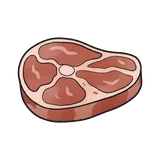 |
| 마시다 L1-06 | masida | to drink 운동 후에 물을 많이 마셔요 마시다 → 마셔요 I drink a lot of water after exercising. | 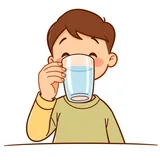 |
| 맛있다 L1-15 | masitda | to be delicious 정말 맛있어요! 맛있다 → 맛있어요 It's really delicious! |  |
| 맵다 L1-14 | maepda | to be spicy 너무 매워요 맵다 → 매워요 It's too spicy. |  |
| 먹다 L1-06 | meokda | to eat 점심에 친구하고 김밥을 먹어요 먹다 → 먹어요 I eat gimbap with a friend for lunch. |  |
| 물 L1-05 | mul | water 물 주세요 Water, please. | 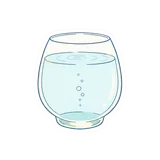 |
| 밥 L1-02 | bap | (cooked) rice; meal 가족과 함께 밥을 먹어요 I eat a meal with my family. | 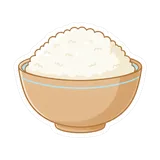 |
| 불고기 L1-15 | bulgogi | bulgogi, marinated grilled beef 불고기 이 인분 주세요 Two servings of bulgogi, please. | 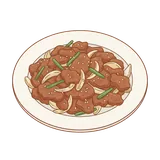 |
| 비빔밥 L1-15 | bibimbap | bibimbap, mixed rice bowl 비빔밥이 맛있어요 The bibimbap is delicious. | 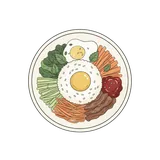 |
| 빵 L1-02 | ppang | bread 가방 안에 빵이 있어요 There is bread in the bag. | 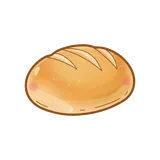 |
| 점심 L1-13 | jeomsim | lunch 점심을 먹어요 I eat lunch. |  |
| 카페 L1-13 | kape | café 카페에서 공부해요 I study at a café. | 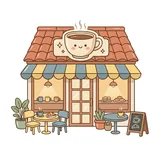 |
| 가격 L1-16 | gagyeok | price 가격이 너무 비싸요 The price is too high. |  |
| 비싸다 L1-16 | bissada | to be expensive 조금 비싸요 비싸다 → 비싸요 It's a bit expensive. | 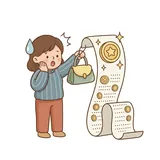 |
| 사다 L1-06 | sada | to buy 아침에 편의점에서 우유를 샀어요 사다 → 샀어요 I bought milk at a convenience store this morning. |  |
| 시장¹ L1-16 | sijang | (traditional) market · 시장에 가다 시장에서 과일을 사요 I buy fruit at the market. | 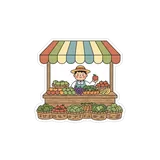 |
| 싸다¹ L1-16 | ssada | to be cheap · 가격이 싸다 시장이 더 싸요 싸다 → 싸요 The market is cheaper. |  |
| 지갑 L1-05 | jigap | wallet 이건 제 지갑이에요 This is my wallet. | 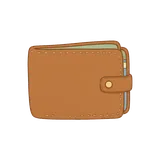 |
| 카드 L1-16 | kadeu | (credit/debit) card 카드 돼요? Can I pay by card? | 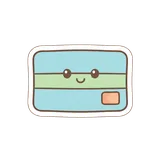 |
| 편의점 L1-16 | pyeonuijeom | convenience store 편의점에서 물을 사요 I buy water at the convenience store. | 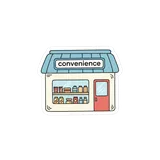 |
| 가방 L1-05 | gabang | bag 저 가방은 제 거예요 That bag is mine. | 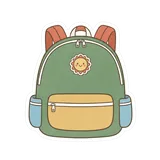 |
| 우산 L1-05 | usan | umbrella 이거는 우산이에요 This is an umbrella. |  |
| 집 L1-02 | jip | house, home 우리 집에서 같이 점심을 먹어요 We eat lunch together at my house. | 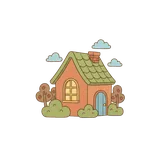 |
| 술 L1-14 | sul | alcohol 술을 안 마셔요 I don't drink alcohol. | 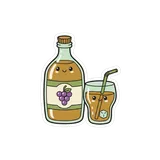 |
| 담배 L1-14 | dambae | cigarettes, smoking 담배를 안 피워요 I don't smoke. | 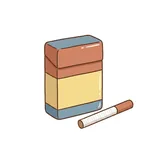 |
| 메뉴 L1-15 | menyu | menu 메뉴 좀 주세요 Could I have the menu, please? | 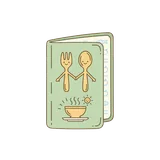 |
| 김치찌개 L1-15 | gimchijjigae | kimchi stew 김치찌개 하나 주세요 One kimchi stew, please. | 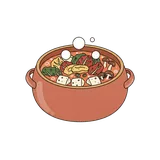 |
| 반찬 L1-15 | banchan | side dishes 반찬 좀 더 주세요 Could I have some more side dishes? | 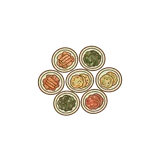 |
| 젓가락 L1-15 | jeotgarak | chopsticks 젓가락 주세요 Chopsticks, please. | 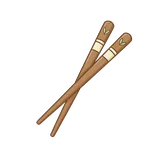 |
| 숟가락 L1-15 | sutgarak | spoon 숟가락이 없어요 There's no spoon. | 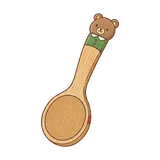 |
| 시키다 L1-15 | sikida | to order (food) 뭐 시켜요? 시키다 → 시켜요 What should we order? | 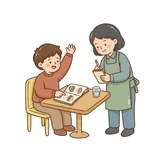 |
| 현금 L1-16 | hyeongeum | cash 현금만 있어요 I only have cash. | 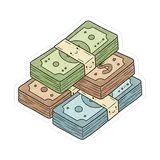 |
| 봉투 L1-16 | bongtu | bag, envelope 봉투 하나 주세요 One bag, please. | 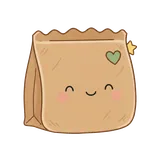 |
| 매운 음식 L1-21 | maeun eumsik | spicy food 매운 음식을 먹을 수 있어요? Can you eat spicy food? | 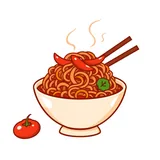 |
| 가슴 | gaseum | chest 가슴이 아파요 My chest hurts. | 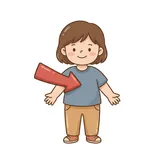 |
| 감다¹ L1-13 | gamda | to close (one's eyes) · 눈을 감다 눈을 감아요 감다 → 감아요 I close my eyes. |  |
| 귀 | gwi | ear 귀가 아파요 My ear hurts. | 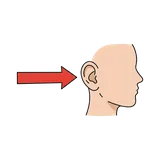 |
| 다리¹ | dari | leg · 다리가 길다/아프다 다리가 아파요 My leg hurts. | 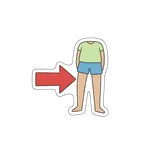 |
| 등¹ | deung | back (of body) · 등이 아프다 등이 아파요 My back hurts. | 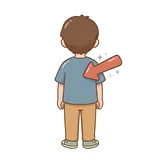 |
| 머리 | meori | head 머리가 아파요 I have a headache. | 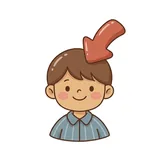 |
| 머리카락 | meorikarak | hair 머리카락이 길어요 Her hair is long. |  |
| 목¹ | mok | neck · 목이 아프다 목이 길어요 It has a long neck. | 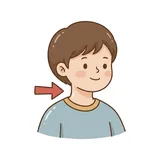 |
| 무릎 | mureup | knee 무릎이 아파요 My knee hurts. | 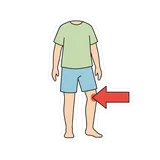 |
| 발 | bal | foot 발이 커요 He has big feet. | 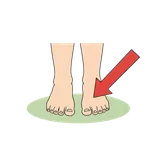 |
| 배¹ | bae | stomach, belly · 배가 고프다/아프다 배가 고파요 I'm hungry. | 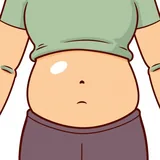 |
| 손 | son | hand 손을 씻어요 I wash my hands. | 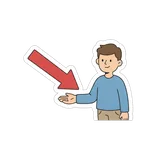 |
| 손가락 | songarak | finger 손가락이 다섯 개 있어요 There are five fingers. | 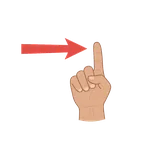 |
| 어깨 | eokkae | shoulder 어깨가 아파요 My shoulder hurts. | 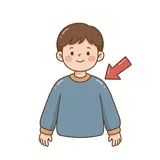 |
| 얼굴 | eolgul | face 얼굴을 씻어요 I wash my face. | 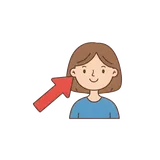 |
| 입 | ip | mouth 입이 작아요 She has a small mouth. | 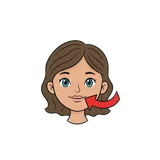 |
| 코 | ko | nose 코가 아파요 My nose hurts. | 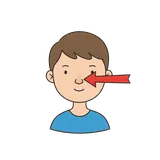 |
| 키¹ | ki | height · 키가 크다 키가 커요 He's tall. | 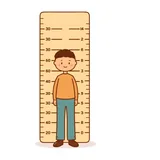 |
| 피부 | pibu | skin 피부가 좋아요 She has good skin. | 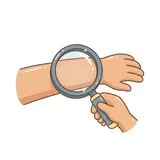 |
| 허리 | heori | waist, lower back 허리가 아파요 My lower back hurts. | 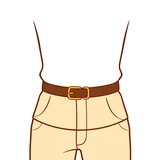 |
| 감기 | gamgi | cold (illness) 감기에 걸렸어요 I caught a cold. | 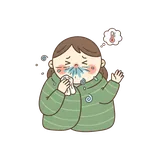 |
| 감기약 | gamgiyak | cold medicine 감기약을 먹어요 I take cold medicine. | 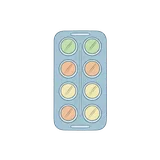 |
| 건강 | geongang | health 건강이 중요해요 Health is important. | 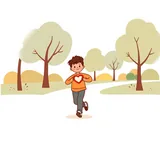 |
| 건강하다 | geonganghada | to be healthy 할머니가 건강해요 건강하다 → 건강해요 My grandmother is healthy. |  |
| 병원 | byeongwon | hospital 병원에 가요 I'm going to the hospital. | 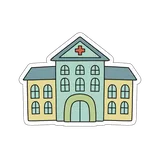 |
| 아프다 | apeuda | to hurt, be sick 동생은 오늘 많이 아파요 아프다 → 아파요 My younger sibling is very sick today. | 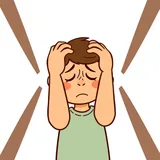 |
| 안경 | angyeong | glasses 안경을 써요 I wear glasses. | 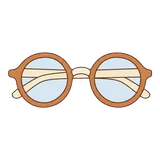 |
| 약¹ | yak | medicine, drug · 약을 먹다 약을 먹어요 I take medicine. |  |
| 약국 | yakguk | pharmacy 약국에 가요 I'm going to the pharmacy. | 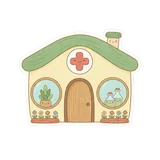 |
| 의사¹ | uisa | doctor · 의사 선생님 의사가 약을 줘요 The doctor gives me medicine. | 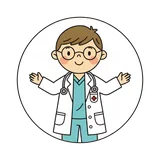 |
| 피곤하다 | pigonhada | to be tired 오늘 피곤해요 피곤하다 → 피곤해요 I'm tired today. | 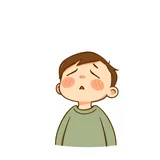 |
| 간장 | ganjang | soy sauce 간장을 넣어요 I add soy sauce. | 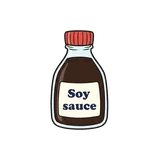 |
| 갈비 L1-15 | galbi | galbi, grilled ribs 갈비를 먹어요 I eat galbi. | 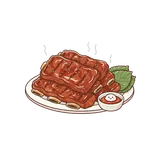 |
| 감¹ | gam | persimmon (fruit) · 감이 맛있다 감이 맛있어요 The persimmon is delicious. |  |
| 감자 | gamja | potato 감자를 먹어요 I eat potatoes. | 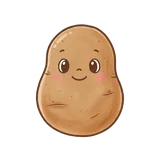 |
| 계란 | gyeran | egg 계란이 있어요 There are eggs. |  |
| 과일 | gwail | fruit 과일을 먹어요 I eat fruit. | 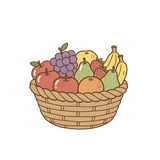 |
| 과자 | gwaja | snack, cookie 과자를 먹어요 I eat snacks. |  |
| 국 | guk | soup 국이 뜨거워요 The soup is hot. | 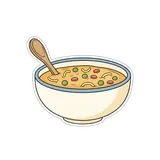 |
| 귤 | gyul | tangerine, mandarin 귤이 달아요 The tangerine is sweet. | 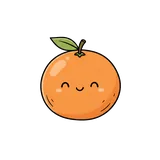 |
| 김밥 L1-15 | gimbap | gimbap, Korean rice roll 김밥을 먹어요 I eat gimbap. | 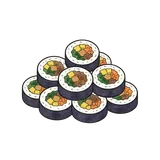 |
| 김치 L1-15 | gimchi | kimchi 김치가 맛있어요 The kimchi is delicious. | 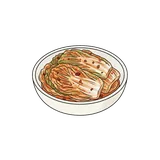 |
| 냉면 L1-15 | naengmyeon | naengmyeon, cold noodles 냉면이 맛있어요 The cold noodles are delicious. | 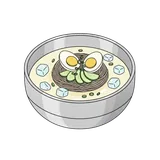 |
| 달걀 | dalgyal | egg 달걀을 먹어요 I eat eggs. | 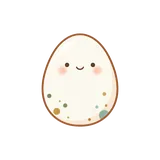 |
| 달다¹ L1-15 | dalda | to be sweet · 맛이 달다 사탕이 달아요 달다 → 달아요 The candy is sweet. |  |
| 닭고기 | dakgogi | chicken (meat) 닭고기를 먹어요 I eat chicken. | 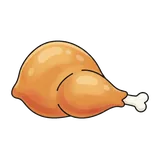 |
| 당근 | danggeun | carrot 당근을 먹어요 I eat carrots. |  |
| 돼지고기 | dwaejigogi | pork 돼지고기를 먹어요 I eat pork. |  |
| 두부 | dubu | tofu 두부가 있어요 There is tofu. | 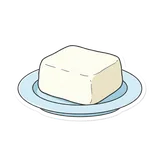 |
| 딸기 | ttalgi | strawberry 딸기를 먹어요 I eat strawberries. | 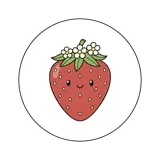 |
| 떡볶이 L1-15 | tteokbokki | tteokbokki, spicy rice cakes 떡볶이가 맛있어요 The tteokbokki is delicious. | 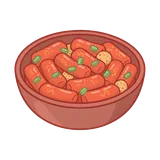 |
| 라면 L1-15 | ramyeon | ramyeon, instant noodles 라면을 먹어요 I eat ramyeon. | 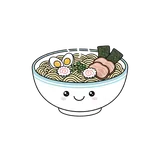 |
| 맛없다 L1-15 | madeopda | to taste bad 음식이 맛없어요 맛없다 → 맛없어요 The food tastes bad. | 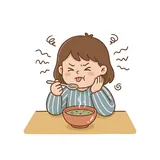 |
| 맥주 L1-15 | maekju | beer 맥주를 마셔요 I drink beer. |  |
| 바나나 | banana | banana 바나나가 맛있어요 The banana is delicious. |  |
| 배고프다 L1-15 | baegopeuda | to be hungry 저는 지금 너무 배고파요 배고프다 → 배고파요 I'm so hungry right now. | 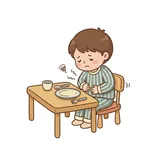 |
| 배부르다 L1-15 | baebureuda | to be full 밥을 많이 먹어서 배불러요 배부르다 → 배불러요 I ate a lot, so I'm full. | 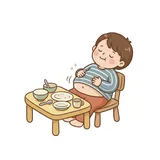 |
| 사과¹ | sagwa | apple · 사과를 먹다 사과를 먹어요 I eat an apple. | 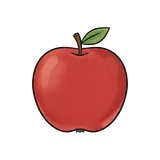 |
| 소고기 | sogogi | beef 소고기를 먹어요 I eat beef. | 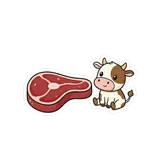 |
| 수박 | subak | watermelon 수박이 시원해요 The watermelon is refreshing. | 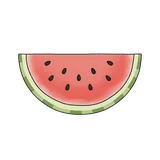 |
| 식당 L1-15 | sikdang | restaurant 식당에 가요 I'm going to a restaurant. | 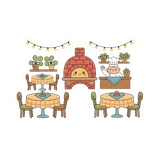 |
| 식사 | siksa | meal 식사를 해요 I have a meal. | 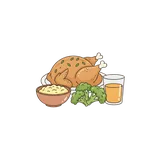 |
| 식사하다 | siksahada | to have a meal 가족과 식사해요 식사하다 → 식사해요 I have a meal with my family. | 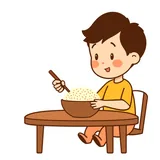 |
| 싱겁다 L1-15 | singgeopda | to be bland 국이 싱거워요 싱겁다 → 싱거워요 The soup is bland. | 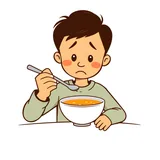 |
| 아이스크림 | aiseukeurim | ice cream 아이스크림을 먹어요 I eat ice cream. |  |
| 야채 | yachae | vegetables 냉장고 안에 야채가 많아요 There are lots of vegetables in the fridge. | 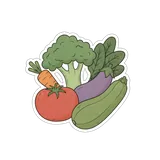 |
| 양파 | yangpa | onion 양파를 사요 I buy onions. | 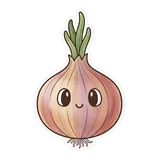 |
| 오이 | oi | cucumber 오이가 있어요 There is a cucumber. | 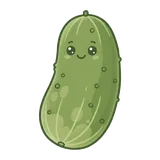 |
| 요리하다 | yorihada | to cook 저는 요리해요 요리하다 → 요리해요 I cook. | 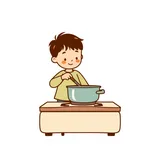 |
| 우유 | uyu | milk 우유를 마셔요 I drink milk. | 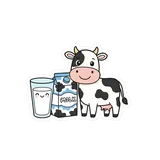 |
| 음료수 | eumnyosu | beverage, drink 음료수를 마셔요 I have a soft drink. | 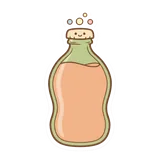 |
| 음식 L1-15 | eumsik | food 음식이 맛있어요 The food is delicious. | 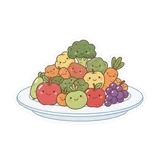 |
| 자장면 L1-15 | jajangmyeon | jajangmyeon, black bean noodles 자장면을 먹어요 I eat jajangmyeon. | 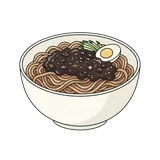 |
| 주문하다 L1-15 | jumunhada | to order 음식을 주문해요 주문하다 → 주문해요 I order food. | 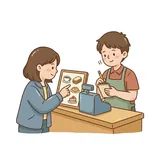 |
| 주스 L1-15 | juseu | juice 주스를 마셔요 I drink juice. | 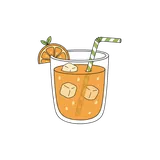 |
| 짜다¹ L1-15 | jjada | to be salty · 음식이 짜다 국이 짜요 짜다 → 짜요 The soup is salty. | 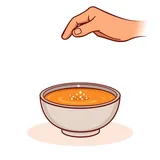 |
| 차¹ L1-15 | cha | tea · 차를 마시다 차를 마셔요 I drink tea. | 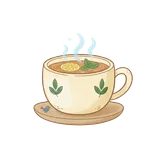 |
| 채소 | chaeso | vegetables 채소를 먹어요 I eat vegetables. | 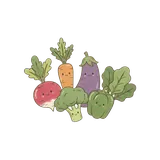 |
| 커피 L1-15 | keopi | coffee 커피를 마셔요 I drink coffee. |  |
| 케이크 | keikeu | cake 케이크를 먹어요 I eat cake. | 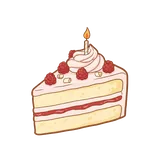 |
| 콜라 L1-15 | kolla | cola 콜라를 마셔요 I drink cola. | 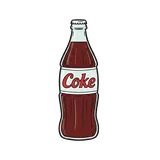 |
| 가게 L1-16 | gage | store, shop 가게에 가요 I'm going to the store. | 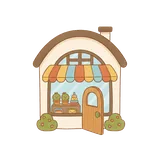 |
| 값 L1-16 | gap | price 요즘 과일값이 아주 비싸요 Fruit prices are very high these days. |  |
| 계산하다 L1-16 | gyesanhada | to pay, calculate 식당에서 계산해요 계산하다 → 계산해요 I pay at the restaurant. | 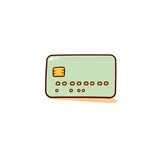 |
| 꽃집 | kkotjip | flower shop 꽃집에서 꽃을 사요 I buy flowers at the flower shop. | 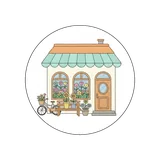 |
| 돈 L1-16 | don | money 돈이 없어요 I don't have money. |  |
| 마트 L1-16 | mateu | supermarket, mart 마트에서 쇼핑해요 I shop at the supermarket. | 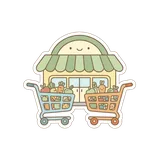 |
| 물건 L1-16 | mulgeon | thing, item 물건이 많아요 There are lots of items. | 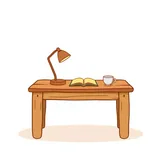 |
| 백화점 L1-16 | baekhwajeom | department store 백화점에 가요 I'm going to the department store. | 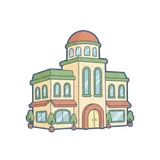 |
| 서점 | seojeom | bookstore 서점에서 책을 사요 I buy books at the bookstore. | 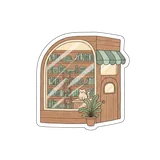 |
| 손님 L1-16 | sonnim | customer, guest 손님이 와요 A customer is coming. | 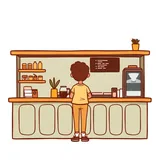 |
| 쇼핑하다 L1-16 | syopinghada | to shop 주말에 쇼핑해요 쇼핑하다 → 쇼핑해요 I go shopping on the weekend. | 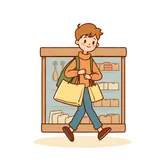 |
| 얼마 L1-16 | eolma | how much 이 모자가 좋아요. 얼마예요? I like this hat. How much is it? |  |
| 영수증 L1-16 | yeongsujeung | receipt 영수증을 받아요 I get a receipt. | 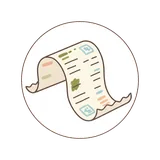 |
| 용돈 | yongdon | allowance, pocket money 용돈이 없어요 I don't have any pocket money. | 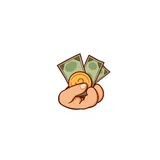 |
| 팔다 L1-16 | palda | to sell 과일을 팔아요 팔다 → 팔아요 They sell fruit. | 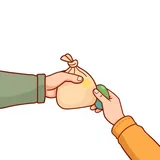 |
| 할인 L1-16 | harin | discount 할인이 있어요 There's a discount. | 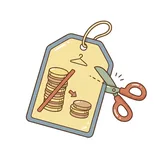 |
| 구두¹ | gudu | dress shoes · 구두를 신다 구두를 신어요 I put on dress shoes. | 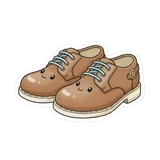 |
| 모자¹ | moja | hat, cap · 모자를 쓰다 모자를 써요 I wear a hat. | 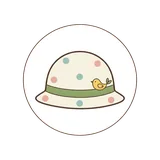 |
| 목도리 | mokdori | scarf, muffler 목도리를 해요 I wear a scarf. | 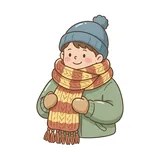 |
| 바지 | baji | pants, trousers 바지를 입어요 I put on pants. | 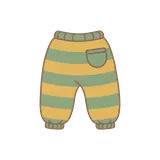 |
| 벨트 | belteu | belt 벨트를 해요 I wear a belt. | 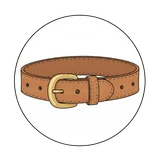 |
| 셔츠 | syeocheu | shirt 셔츠를 입어요 I put on a shirt. | 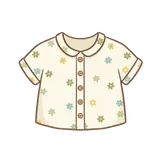 |
| 신발 | sinbal | shoes 신발을 신어요 I put on my shoes. | 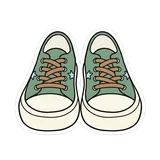 |
| 양말 | yangmal | socks 양말을 신어요 I put on socks. | 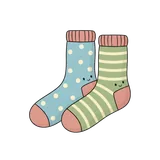 |
| 옷 | ot | clothes 옷을 사요 I buy clothes. | 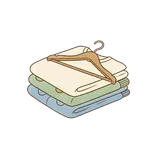 |
| 원피스 | wonpiseu | dress 원피스가 예뻐요 The dress is pretty. | 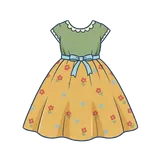 |
| 입다 | ipda | to wear, put on 코트를 입어요 입다 → 입어요 I put on a coat. | 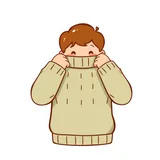 |
| 장갑 | janggap | gloves 장갑을 껴요 I put on gloves. | 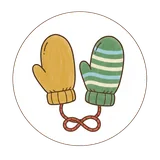 |
| 재킷 | jaekit | jacket 재킷을 입어요 I put on a jacket. | 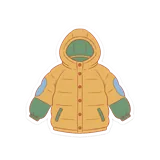 |
| 청바지 | cheongbaji | jeans 청바지를 입어요 I wear jeans. | 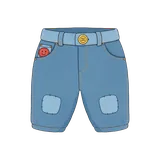 |
| 치마 | chima | skirt 치마를 입어요 I wear a skirt. | 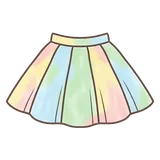 |
| 코트¹ | koteu | coat, overcoat · 코트를 입다 코트가 따뜻해요 The coat is warm. | 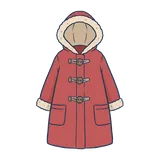 |
| 티셔츠 | tisyeocheu | T-shirt 티셔츠를 입어요 I put on a T-shirt. | 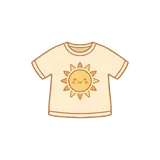 |
| 갈색 | galsaek | brown 가방이 갈색이에요 The bag is brown. |  |
| 검정색 | geomjeongsaek | black 검정색 가방이에요 It's a black bag. |  |
| 노란색 | noransaek | yellow 노란색 옷을 입어요 I wear yellow clothes. |  |
| 보라색 | borasaek | purple 보라색 가방이 있어요 I have a purple bag. |  |
| 분홍색 | bunhongsaek | pink 분홍색 옷이 예뻐요 The pink clothes are pretty. |  |
| 빨간색 | ppalgansaek | red 사과가 빨간색이에요 The apple is red. |  |
| 색 | saek | color 색이 예뻐요 The color is pretty. | 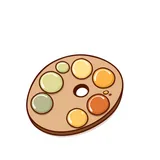 |
| 색깔 | saekkkal | color 저는 바다 색깔을 좋아해요 I like the color of the sea. |  |
| 주황색 | juhwangsaek | orange (color) 주황색 꽃이 예뻐요 The orange flowers are pretty. |  |
| 초록색 | choroksaek | green 초록색 가방이 있어요 I have a green bag. |  |
| 하늘색 | haneulsaek | sky blue 하늘색 옷이 예뻐요 The sky-blue clothes are pretty. |  |
| 하얀색 | hayansaek | white 하얀색 옷이에요 They're white clothes. |  |
| 회색 | hoesaek | gray 회색 가방이 있어요 I have a gray bag. |  |
| 가구¹ | gagu | furniture · 가구를 놓다 가구가 많아요 There's a lot of furniture. |  |
| 가위 | gawi | scissors 가위가 있어요 There are scissors. | 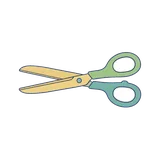 |
| 거실 | geosil | living room 거실에서 텔레비전을 봐요 I watch TV in the living room. | 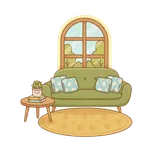 |
| 거울 | geoul | mirror 거울을 봐요 I look in the mirror. | 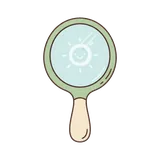 |
| 끄다 | kkeuda | to turn off 불을 꺼요 끄다 → 꺼요 I turn off the light. | 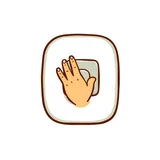 |
| 냉장고 | naengjanggo | refrigerator 냉장고에 음식이 있어요 There's food in the fridge. | 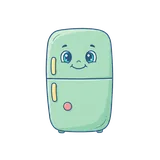 |
| 닫다 | datda | to close 문을 닫아요 닫다 → 닫아요 I close the door. | 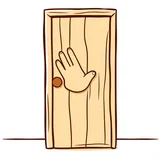 |
| 문 | mun | door 고양이가 문 앞에 있어요 The cat is in front of the door. | 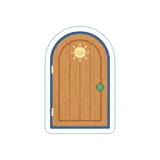 |
| 방 | bang | room 방이 넓어요 The room is spacious. | 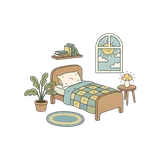 |
| 벽 | byeok | wall 벽에 그림이 있어요 There's a picture on the wall. | 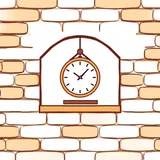 |
| 부엌 | bueok | kitchen 부엌에서 요리해요 I cook in the kitchen. | 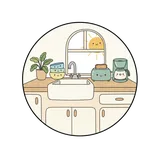 |
| 살다 | salda | to live 서울에 살아요 살다 → 살아요 I live in Seoul. | 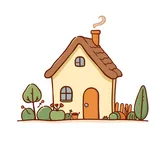 |
| 생활 | saenghwal | life, living 한국 생활이 재미있어요 Life in Korea is fun. | 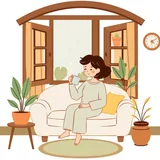 |
| 선풍기 | seonpunggi | electric fan 선풍기를 켜요 I turn on the fan. | 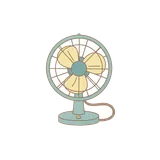 |
| 세탁기 | setakgi | washing machine 세탁기가 있어요 There's a washing machine. | 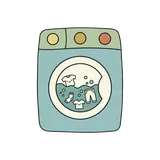 |
| 소파 | sopa | sofa 소파에 앉아요 I sit on the sofa. | 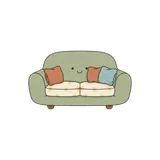 |
| 아파트 | apateu | apartment 아파트에 살아요 I live in an apartment. | 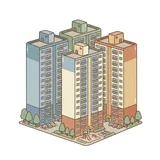 |
| 에어컨 | eeokeon | air conditioner 여름에 에어컨을 켜요 I turn on the air conditioner in summer. | 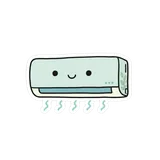 |
| 열다 | yeolda | to open 문을 열어요 열다 → 열어요 I open the door. | 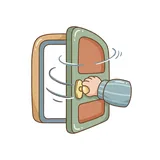 |
| 욕실 | yoksil | bathroom 욕실에 있어요 I'm in the bathroom. | 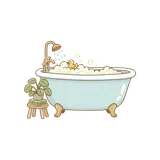 |
| 의자 | uija | chair 의자에 앉아요 I sit on the chair. | 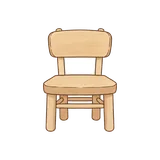 |
| 주방 | jubang | kitchen 주방이 넓어요 The kitchen is spacious. | 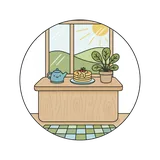 |
| 창문 | changmun | window 창문을 닫아요 I close the window. |  |
| 청소하다 L1-13 | cheongsohada | to clean, to tidy up 방을 청소해요 청소하다 → 청소해요 I clean my room. | 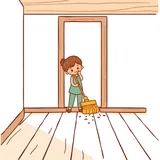 |
| 침대 | chimdae | bed 침대가 있어요 There's a bed. | 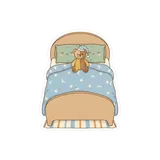 |
| 켜다¹ | kyeoda | to turn on, to switch on (a light, the TV) · 불을 켜다 불을 켜요 켜다 → 켜요 I turn on the light. | 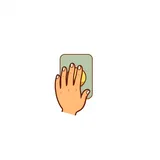 |
| 탁자 | takja | table 탁자 위에 책이 있어요 There's a book on the table. | 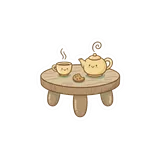 |
| 현관 | hyeongwan | entrance, front door 현관에서 신발을 벗어요 I take off my shoes at the entrance. | 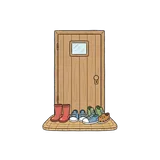 |
| 화장실 | hwajangsil | bathroom, restroom 화장실에 가요 I'm going to the restroom. | 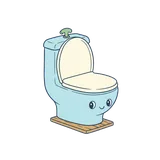 |
| 삼계탕 | samgyetang | samgyetang, ginseng chicken soup 삼계탕을 먹어요 I eat ginseng chicken soup. | 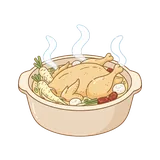 |
| 쇼핑 L1-15 | syoping | shopping 쇼핑을 좋아해요 I like shopping. | 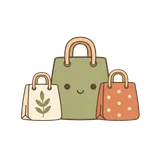 |
| 여행사 | yeohaengsa | travel agency 여행사에 가요 I'm going to a travel agency. | 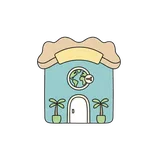 |
| 직원 | jigwon | staff member, employee 직원이 친절해요 The staff are friendly. |  |
| 청소 | cheongso | cleaning 청소를 해요 I clean. | 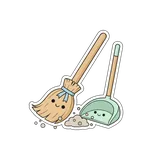 |
| 하숙집 | hasukjip | boarding house 하숙집에 살아요 I live in a boarding house. | 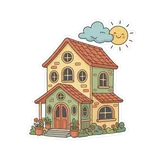 |
| 팔² | pal | arm · 팔이 아프다 어제부터 팔이 많이 아파요 My arm has hurt a lot since yesterday. | 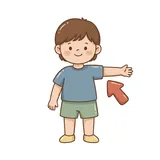 |
| 눈² | nun | eye · 눈이 크다/아프다 컴퓨터를 오래 봐서 눈이 아파요 My eyes hurt from looking at the computer for a long time. | 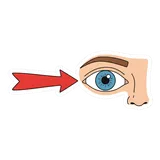 |
| 배³ | bae | (Korean) pear · 배를 먹다/깎다 할머니가 배를 깎아 주셨어요 Grandma peeled a pear for me. | 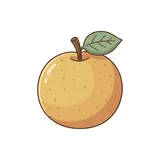 |
| 쪽¹ | jjok | side, direction (after a location or modifier) (방향을 나타내는 말) 쪽 · 학교 쪽 학교 쪽으로 가요 I head toward the school. | |
| 병² | byeong | illness, disease · 병에 걸리다 할머니가 병에 걸리셨어요 My grandmother has fallen ill. |
FAQ
- How many TOPIK 1 Korean daily life words are on this list?
- This page lists 201 beginner-level Korean daily life vocabulary words (TOPIK 1), each with romanization and an English meaning — free, by a certified Korean teacher.
- Is this daily life word list free to use?
- It is free with no sign-up. Browse and search the full list online, switch TOPIK levels above, or open the matching lessons to study the words in context.
A
Written by Alvin Lim Certified Korean Language Teacher (Level 2)