Intermediate Korean Daily Life Vocabulary List (TOPIK 4)
A complete list of 109 intermediate-level Korean daily life vocabulary words (TOPIK 4). Every word includes romanization and its English meaning, curated by a certified Korean language teacher. Filter to search, or switch levels below.
| Korean | Romanization | Meaning | Picture |
|---|---|---|---|
| 깨우다 L4-04 | kkaeuda | to wake someone up 아침에 아이를 깨워요 깨우다 → 깨워요 I wake my child up in the morning. | 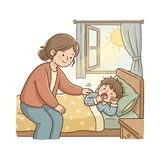 |
| 먹이다 L4-04 | meogida | to feed, to give food to 아이에게 밥을 먹였어요 먹이다 → 먹였어요 I fed the child a meal. | 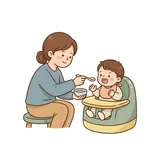 |
| 입히다 L4-04 | ipida | to dress someone, to put clothes on 아이에게 새 옷을 입혔어요 입히다 → 입혔어요 I dressed the child in new clothes. | 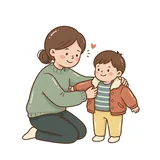 |
| 맛집 L4-06 | matjip | restaurant known for good food 친구가 추천한 맛집에 다녀왔어요 I went to a restaurant known for its good food that a friend recommended. | 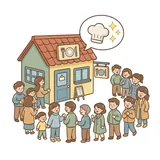 |
| 건설 | geonseol | construction, building 새 건물 건설이 시작됐어요 Construction of the new building has begun. | 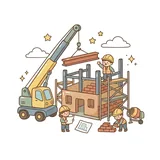 |
| 건전지 | geonjeonji | battery, dry cell 리모컨에 건전지를 넣었어요 I put batteries in the remote control. | 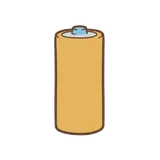 |
| 게 | ge | crab 시장에서 게를 샀어요 I bought crab at the market. | 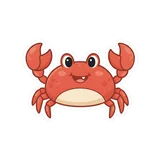 |
| 계산기 | gyesangi | calculator 계산기로 금액을 계산했어요 I used a calculator to work out the amount. | 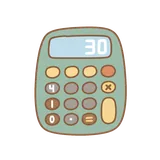 |
| 계산대 | gyesandae | checkout counter, cash register 계산대 앞에 줄이 길어요 There is a long line at the checkout counter. | 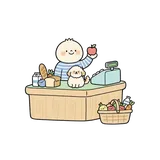 |
| 고장¹ | gojang | breakdown, malfunction · 고장이 나다 컴퓨터에 고장이 생겼어요 My computer developed a problem. | 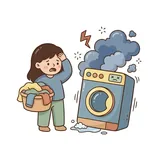 |
| 골다 | golda | to snore 남편이 자면서 코를 골아요 골다 → 골아요 My husband snores in his sleep. | 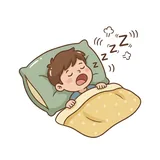 |
| 과외 | gwaoe | private tutoring, extracurricular 아이가 과외를 받고 있어요 My child is getting private tutoring. | 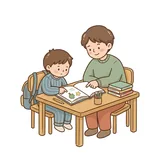 |
| 교복 | gyobok | school uniform 학생들이 교복을 입고 있어요 The students are wearing school uniforms. | 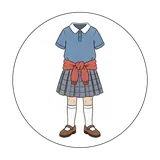 |
| 교재 | gyojae | textbook, teaching materials 수업에 필요한 교재를 샀어요 I bought the textbooks I need for class. | 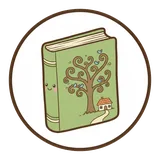 |
| 기념일 | ginyeomil | anniversary, commemorative day 오늘은 결혼 기념일이에요 Today is our wedding anniversary. | 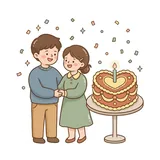 |
| 기지개 | gijigae | stretch (body stretch) 아침에 일어나서 기지개를 켰어요 I stretched after getting up in the morning. | 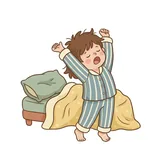 |
| 깨 | kkae | sesame seeds, sesame 나물에 깨를 뿌렸어요 I sprinkled sesame seeds on the seasoned vegetables. | 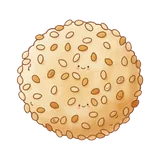 |
| 냉수 | naengsu | cold water 더울 때는 냉수를 마셔요 I drink cold water when it's hot. | 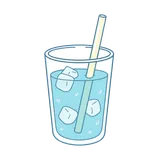 |
| 눕히다 | nupida | to lay down, to put to bed 아기를 침대에 눕혔어요 눕히다 → 눕혔어요 I laid the baby down on the bed. | 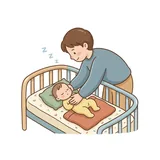 |
| 다리다 | darida | to iron (clothes) 셔츠를 다려서 입었어요 다리다 → 다려서 I ironed my shirt before putting it on. | 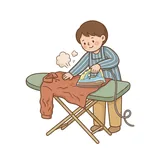 |
| 담요 | damnyo | blanket 추운 밤에 담요를 덮고 잤어요 I slept under a blanket on a cold night. | 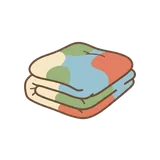 |
| 뒤집다 | dwijipda | to flip over, to overturn, to reverse 판을 뒤집어서 반대쪽을 봤어요 뒤집다 → 뒤집어서 I flipped the board over and looked at the other side. | 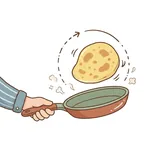 |
| 먹이 | meogi | food for animals, feed, prey 동물원에서 사자에게 먹이를 줬어요 I fed a lion at the zoo. | 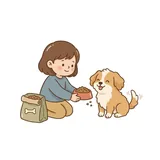 |
| 발자국 | baljaguk | footprint, footstep 눈 위에 발자국이 선명하게 남았어요 There were clear footprints left in the snow. | 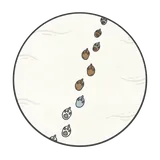 |
| 삼키다 | samkida | to swallow, to gulp down 알약을 물과 함께 삼켰어요 삼키다 → 삼켰어요 I swallowed the pill with water. | 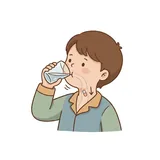 |
| 씻기다¹ | ssitgida | to wash, to bathe (someone) · 아이를 씻기다 아기를 욕조에서 씻겼어요 씻기다 → 씻겼어요 I bathed the baby in the bathtub. | 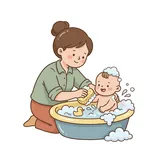 |
| 안주¹ | anju | snacks with alcohol, bar food · 안주를 먹다 · 술안주 맥주를 마시면서 안주를 먹었어요 I ate some snacks with my beer. | 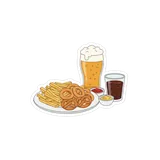 |
| 운반 | unban | transportation, carrying 짐 운반을 도와줘서 고마웠어요 I was grateful for the help carrying my luggage. | 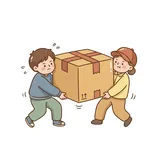 |
| 전시장 | jeonsijang | exhibition hall, gallery 전시장에서 새 작품을 봤어요 I saw a new work at the exhibition hall. | 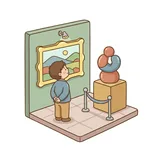 |
| 젖 | jeot | breast milk, milk 아기가 젖을 먹고 있어요 The baby is drinking milk. | 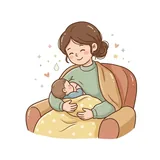 |
| 주먹 | jumeok | fist 주먹을 꽉 쥐고 힘을 냈어요 I clenched my fists and gathered my strength. |  |
| 쥐다 | jwida | to grip, grasp, hold 손잡이를 꽉 쥐었어요 쥐다 → 쥐었어요 I gripped the handle tightly. | 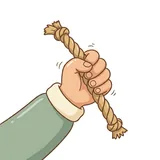 |
| 짐승 | jimseung | animal, beast 동물원에서 다양한 짐승을 봤어요 I saw various animals at the zoo. | 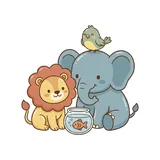 |
| 쫓아가다 | jjochagada | to chase after, follow 도둑을 쫓아가다 놓쳤어요 I chased after the thief but lost them. | 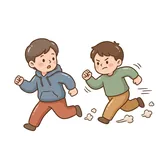 |
| 판매자 | panmaeja | seller, vendor 판매자에게 직접 연락했어요 I contacted the seller directly. | 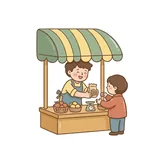 |
| 패스트푸드 | paeseuteupudeu | fast food 아이들이 패스트푸드를 좋아해요 The children like fast food. | 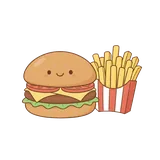 |
| 훔치다¹ | humchida | to steal, to pilfer · 물건을 훔치다 가게에서 물건을 훔쳤어요 훔치다 → 훔쳤어요 I stole something from a store. | 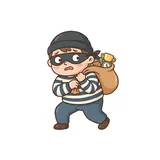 |
| 간³ | gan | liver (organ) · 간 이식, 간 건강 술을 많이 마시면 간이 나빠져요 If you drink a lot, your liver gets damaged. | 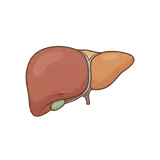 |
| 개다² | gaeda | to fold (clothes, blankets) · 옷을 개다, 이불을 개다 빨래를 다 개서 옷장에 넣었어요 개다 → 개서 I folded all the laundry and put it in the closet. | 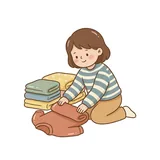 |
| 따르다² | ttareuda | to pour (a drink) · 물을 따르다, 술을 따르다 컵에 물을 가득 따랐어요 따르다 → 따랐어요 I filled the cup with water. | 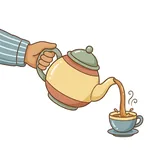 |
| 말다³ | malda | to put (rice or noodles) into soup or water · 국에 밥을 말다 배가 고파서 국에 밥을 말아 먹었어요 말다 → 말아 I was hungry, so I put rice in my soup and ate it. | 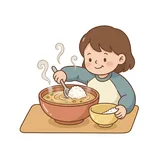 |
| 쪽³ | jjok | piece, slice, clove (counter for segments) · 사과 한 쪽, 마늘 한 쪽 사과를 깎아서 한 쪽씩 나눠 먹었어요 I peeled an apple and we each had a slice. | 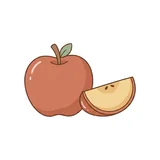 |
| 치다⁴ | chida | to sprinkle, to add (seasoning) · 후추를 치다, 소금을 치다 국이 싱거워서 소금을 조금 쳤어요 치다 → 쳤어요 The soup was bland, so I added a little salt. | 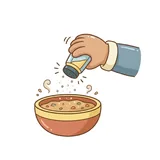 |
| 걷다² | geotda | to roll up (sleeves, trouser legs) · 소매를 걷다, 바지를 걷다 설거지하려고 소매를 걷었어요 걷다 → 걷었어요 I rolled up my sleeves to do the dishes. | 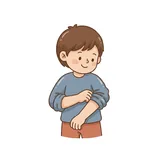 |
| 걷다³ | geotda | to take in, to gather (laundry); to collect (money) · 빨래를 걷다, 회비를 걷다 비가 와서 빨래를 얼른 걷었어요 걷다 → 걷었어요 It started raining, so I quickly brought in the laundry. | 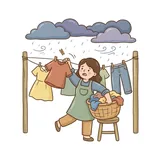 |
| 공기² | gonggi | rice bowl; bowl (counter for rice) · 공기에 담다, 밥 한 공기 배가 고파서 밥을 두 공기나 먹었어요 I was so hungry that I ate two bowls of rice. | 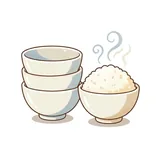 |
| 때² | ttae | dirt, grime · 때가 타다, 때를 밀다 흰 옷은 때가 잘 타서 자주 빨아야 해요 White clothes get dirty easily, so you have to wash them often. | 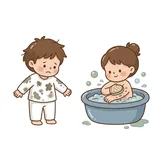 |
| 뜨다³ | tteuda | to scoop, to ladle · 물을 뜨다, 국을 뜨다 국자로 국을 떠서 그릇에 담았어요 뜨다 → 떠서 I ladled the soup into a bowl. | 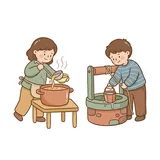 |
| 못² | mot | nail (metal) · 못을 박다 벽에 못을 박고 그림을 걸었어요 I hammered a nail into the wall and hung a picture. | 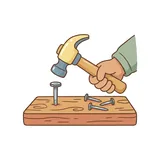 |
| 부치다² | buchida | to fry (pancakes, jeon) on a griddle · 전을 부치다, 부침개를 부치다 명절에 가족들과 함께 전을 부쳤어요 부치다 → 부쳤어요 I made jeon with my family over the holidays. | 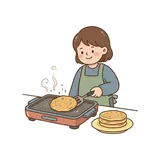 |
| 찍다² | jjikda | to chop, to hack (with an axe) · 나무를 찍다, 도끼로 찍다 할아버지가 도끼로 장작을 찍으셨어요 찍다 → 찍으셨어요 Grandpa chopped firewood with an axe. | 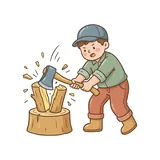 |
| 채우다² | chaeuda | to lock, to fasten (a padlock, buttons) · 자물쇠를 채우다, 단추를 채우다 자전거에 자물쇠를 채워 두었어요 채우다 → 채워 I locked up my bike. | 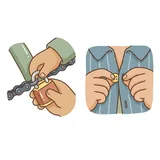 |
| 키² | ki | key (car key, keyboard key) · 차 키, 키를 누르다 차 키를 집에 두고 나왔어요 I left my car key at home. | 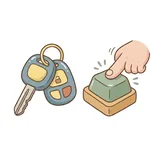 |
| 타다⁴ | tada | to receive (a salary, a prize) · 월급을 타다, 상을 타다 이번 달 월급을 타면 부모님께 선물을 사 드릴 거예요 타다 → 타면 When I get paid this month, I'll buy my parents a gift. | 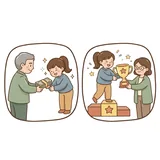 |
| 불리다² | bullida | to soak (grains or beans until they swell) · 쌀을 불리다 · 콩을 불리다 밥을 하기 전에 쌀을 삼십 분 정도 불려요 불리다 → 불려요 Before cooking rice, I soak it for about 30 minutes. | 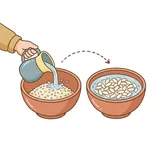 |
| 정식² | jeongsik | set meal (fixed menu) · 불고기 정식, 한정식 점심으로 불고기 정식을 먹었어요 I had a bulgogi set meal for lunch. | 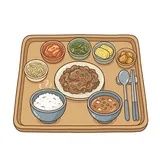 |
| 거래처 L4-01 | georaecheo | business partner, client 거래처에 이메일을 보냈어요 I sent an email to a client. | |
| 다짐 L4-24 | dajim | resolution, pledge, commitment 새해에 건강을 챙기겠다는 다짐을 했어요 I made a New Year's resolution to take care of my health. | |
| 가져다주다 | gajyeodajuda | to bring and give, to deliver 친구가 커피를 가져다줬어요 가져다주다 → 가져다줬어요 My friend brought me coffee. | |
| 가짜 | gajja | fake, counterfeit 그 가방은 가짜라서 금방 망가졌어요 That bag was a fake, so it fell apart quickly. | |
| 간지럽다 | ganjireopda | to be ticklish, to be itchy 등이 간지러워서 긁었어요 간지럽다 → 간지러워서 My back was itchy, so I scratched it. | |
| 값싸다 | gapssada | to be cheap, to be inexpensive 이 가게 물건은 값싸고 좋아요 값싸다 → 값싸고 The items at this store are inexpensive and good. | |
| 개다¹ | gaeda | to clear up (weather) · 날이 개다 비가 그치고 날이 개었어요 개다 → 개었어요 The rain stopped and the sky cleared up. | |
| 거두다¹ | geoduda | to achieve, to obtain (results) · 성과를 거두다, 승리를 거두다 팀이 좋은 성과를 거뒀어요 거두다 → 거뒀어요 The team achieved good results. | |
| 거래 | georae | transaction, trade, deal 이 거래는 내일까지 끝내야 해요 We need to complete this transaction by tomorrow. | |
| 건드리다 | geondeurida | to touch, to mess with 그거 건드리지 마세요 건드리다 → 건드리지 Please don't touch that. | |
| 결근 | gyeolgeun | absence from work 감기 때문에 결근을 했어요 I missed work because I had a cold. | |
| 고급 | gogeup | high grade, luxury, high class 이 호텔은 고급 시설을 갖추고 있어요 This hotel has luxurious facilities. | |
| 고소하다¹ | gosohada | to be nutty, savory (in taste or smell) · 고소한 냄새, 참기름이 고소하다 참기름 냄새가 고소해요 고소하다 → 고소해요 The sesame oil has a nutty aroma. | |
| 고유 | goyu | unique, inherent, original 한복은 한국 고유의 옷이에요 Traditional Korean clothing is unique to Korea. | |
| 고집 | gojip | stubbornness, obstinacy 그 사람은 고집이 너무 세요 That person is very stubborn. | |
| 공기¹ | gonggi | air · 신선한 공기 창문을 열어서 신선한 공기를 마셔요 I open the window to breathe in fresh air. | |
| 교육비 | gyoyukbi | education expenses, tuition cost 교육비가 매년 오르고 있어요 Education costs are rising every year. | |
| 교체 | gyoche | replacement, substitution 오래된 부품을 교체해야 해요 We need to replace the old parts. | |
| 구매 | gumae | purchase, buying 인터넷으로 구매하는 것이 편해요 It's convenient to shop online. | |
| 금년 | geumnyeon | this year 금년에는 여행을 많이 했어요 I've traveled a lot this year. | |
| 기획 | gihoek | planning, project 이번 행사 기획을 맡게 됐어요 I've been put in charge of planning this event. | |
| 까먹다 | kkameokda | to forget, to eat up 약속을 까먹어서 미안해요 까먹다 → 까먹어서 I'm sorry I forgot our plans. | |
| 깔다 | kkalda | to spread, to lay out, to pave 방에 카펫을 깔았어요 깔다 → 깔았어요 I laid a carpet in the room. | |
| 꾸리다 | kkurida | to pack, to organize, to put together 짐을 꾸려서 여행을 떠났어요 꾸리다 → 꾸려서 I packed my bags and left on a trip. | |
| 넘겨주다 | neomgyeojuda | to hand over, to pass on 열쇠를 관리인에게 넘겨주었어요 넘겨주다 → 넘겨주었어요 I handed the key over to the caretaker. | |
| 느끼하다 | neukkihada | to be greasy, to be oily, to feel heavy (food) 이 음식은 너무 느끼해요 느끼하다 → 느끼해요 This food is too greasy. | |
| 단골 | dangol | regular customer, loyal patron 그 카페의 단골이 됐어요 I became a regular at that cafe. | |
| 담백하다 | dambaekada | to be plain, to be light (taste), to be simple 이 국물은 맛이 담백해요 담백하다 → 담백해요 This broth has a light flavor. | |
| 대리 | daeri | assistant manager, deputy, acting manager 김 대리가 회의 자료를 준비했어요 Assistant Manager Kim prepared the meeting materials. | |
| 더럽히다 | deoreopida | to dirty, to contaminate, to defile 옷에 음식을 흘려서 더럽혔어요 더럽히다 → 더럽혔어요 I spilled food on my clothes and got them dirty. | |
| 돌려보내다 | dollyeobonaeda | to send back, to return someone 물건이 잘못 와서 다시 돌려보냈어요 돌려보내다 → 돌려보냈어요 The wrong item arrived, so I sent it back. | |
| 떠나오다 | tteonaoda | to leave and come, to depart from 고향을 떠나온 지 오래됐어요 떠나오다 → 떠나온 It's been a long time since I left my hometown. | |
| 마음가짐 | maeumgajim | attitude of mind, mindset, mental readiness 긍정적인 마음가짐이 중요해요 A positive mindset is important. | |
| 마음속 | maeumsok | inside one's heart, in the mind 마음속으로 감사하고 있어요 I'm grateful in my heart. | |
| 먹고살다 | meokgosalda | to make a living, to earn one's keep 작은 가게를 열어서 먹고살아요 먹고살다 → 먹고살아요 I opened a small shop and make my living from it. | |
| 먹히다 | meokida | to be eaten, to be swallowed, to work, to be effective 이 방법은 잘 먹히지 않아요 먹히다 → 먹히지 This method doesn't work very well. | |
| 부근 | bugeun | vicinity, nearby area 학교 부근에 카페가 많아요 There are many cafes near the school. | |
| 비법 | bibeop | secret method, secret recipe 할머니의 요리 비법을 배웠어요 I learned my grandmother's cooking secrets. | |
| 사들이다 | sadeurida | to buy up, to purchase 투자자들이 부동산을 사들였어요 사들이다 → 사들였어요 Investors bought up real estate. | |
| 사로잡다 | sarojapda | to captivate, to seize, to grab 그 영화가 관객의 마음을 사로잡았어요 사로잡다 → 사로잡았어요 The movie captivated the audience. | |
| 사립 | sarip | private (school or institution) 그 학교는 사립이라서 등록금이 비싸요 That school is private, so the tuition is expensive. | |
| 수리비 | suribi | repair cost, repair fee 차 수리비가 생각보다 많이 나왔어요 The car repairs cost more than I expected. | |
| 신상품 | sinsangpum | new product, new item 백화점에서 신상품을 구경했어요 I browsed the new merchandise at the department store. | |
| 쓸데없다 | sseuldeeopda | to be useless, to be pointless 그런 쓸데없는 걱정은 하지 마세요 쓸데없다 → 쓸데없는 Please don't worry needlessly like that. | |
| 얻어먹다 | eodeomeokda | to eat for free, to mooch food 친구 집에서 밥을 얻어먹었어요 얻어먹다 → 얻어먹었어요 I was treated to a meal at my friend's house. | |
| 응답 | eungdap | response, answer 설문 조사에 응답해 주세요 Please respond to the survey. | |
| 직후 | jikhu | immediately after, just after 수업 직후에 선생님께 질문했어요 I asked the teacher a question right after class. | |
| 짐작 | jimjak | guess, conjecture 짐작대로 결과가 나왔어요 The results were just as I expected. | |
| 들리다³ | deullida | to catch (a cold); to be possessed (by a spirit) · 감기에 들리다, 귀신에 들리다 아이가 감기에 들려서 며칠 동안 학교에 못 갔어요 들리다 → 들려서 My child caught a cold and couldn't go to school for a few days. | |
| 타다⁵ | tada | to show dirt easily; to be sensitive to (cold, tickling) · 때가 타다, 추위를 타다 이 소파는 밝은 색이라 때가 잘 타요 타다 → 타요 This sofa is a light color, so it shows dirt easily. | |
| 사내² | sanae | in-house, within the company · 사내 식당, 사내 연애 사내 식당 점심이 꽤 맛있어요 The lunch at the company cafeteria is pretty good. | |
| 조기² | jogi | yellow croaker (fish) · 조기 구이, 굴비 저녁 반찬으로 조기를 구워 먹었어요 We grilled yellow croaker as a side dish for dinner. | |
| 팬² | paen | (frying) pan · 프라이팬, 팬을 달구다 팬에 기름을 두르고 계란을 부쳤어요 I oiled the pan and fried an egg. |
FAQ
- How many TOPIK 4 Korean daily life words are on this list?
- This page lists 109 intermediate-level Korean daily life vocabulary words (TOPIK 4), each with romanization and an English meaning — free, by a certified Korean teacher.
- Is this daily life word list free to use?
- It is free with no sign-up. Browse and search the full list online, switch TOPIK levels above, or open the matching lessons to study the words in context.
A
Written by Alvin Lim Certified Korean Language Teacher (Level 2)