Beginner Korean Society & Ideas Vocabulary List (TOPIK 1)
A complete list of 197 beginner-level Korean society & ideas vocabulary words (TOPIK 1). Every word includes romanization and its English meaning, curated by a certified Korean language teacher. Filter to search, or switch levels below.
| Korean | Romanization | Meaning | Picture |
|---|---|---|---|
| 갈비탕 | galbitang | galbitang, beef rib soup 갈비탕을 먹어요 I eat beef rib soup. | 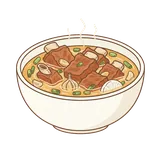 |
| 갈아타다 | garatada | to transfer (bus, subway) 버스에서 지하철로 갈아타요 갈아타다 → 갈아타요 I transfer from the bus to the subway. | 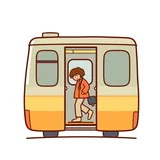 |
| 감사¹ L1-03 | gamsa | thanks, gratitude · 감사 인사 선생님께 감사 인사를 드려요 I thank the teacher. | 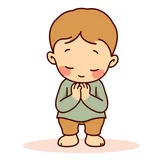 |
| 고프다 | gopeuda | to be hungry 점심을 안 먹어서 배가 고파요 고프다 → 고파요 I skipped lunch, so I'm hungry. | 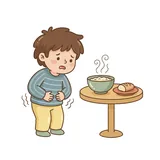 |
| 곳 | got | place 좋은 곳이에요 It's a nice place. | 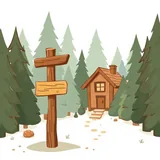 |
| 공부 | gongbu | study, studying 공부를 해요 I study. |  |
| 구경 | gugyeong | looking around, sightseeing 시장 구경을 해요 I look around the market. |  |
| 구십 L1-07 | gusip | ninety 구십 명이에요 There are ninety people. |  |
| 구월 L1-10 | guwol | September 구월에 학교가 시작해요 School starts in September. | 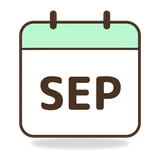 |
| 국적 L1-04 | gukjeok | nationality 국적이 한국이에요 My nationality is Korean. |  |
| 그릇 | geureut | bowl, dish 그릇에 밥이 있어요 There's rice in the bowl. | 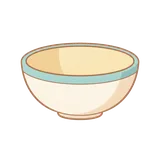 |
| 그저께 | geujeokke | the day before yesterday 그저께 학교에 갔어요 I went to school the day before yesterday. |  |
| 글 | geul | writing, text 글을 읽어요 I read the text. |  |
| 기간 | gigan | period, term 기간이 얼마나 돼요? How long is the period? | 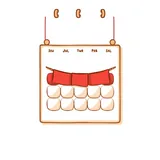 |
| 기숙사 | gisuksa | dormitory 기숙사에 살아요 I live in a dorm. | 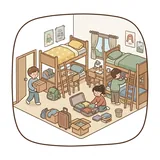 |
| 나다 | nada | to grow, to come up 봄에 집 앞에 풀이 나요 나다 → 나요 In spring, grass grows in front of the house. |  |
| 나오다 | naoda | to come out 밖으로 나와요 나오다 → 나와요 Come outside. | 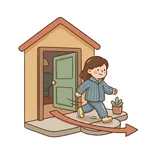 |
| 날 | nal | weather 날이 좋다 · 날이 흐리다 날이 좋아요 The weather is nice. |  |
| 날짜 L1-10 | naljja | date 시험 날짜를 공책에 쓰세요 Write the exam date in your notebook. | 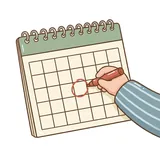 |
| 남대문 | namdaemun | Namdaemun Gate 남대문이 서울에 있어요 Namdaemun is in Seoul. | 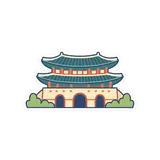 |
| 남산 | namsan | Namsan Mountain 남산에 가요 I'm going to Namsan. | 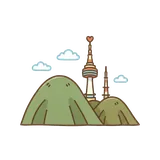 |
| 내일 | naeil | tomorrow 내일 학교에 가요 I'm going to school tomorrow. |  |
| 노래방 | noraebang | karaoke room, noraebang 노래방에 가요 I'm going to a karaoke room. |  |
| 뉴스 | nyuseu | news 뉴스를 봐요 I watch the news. |  |
| 다녀오다 | danyeooda | to go and come back 마트에 다녀와요 다녀오다 → 다녀와요 I'll run to the supermarket and come back. | 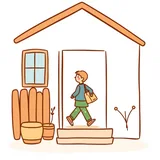 |
| 다른 | dareun | other, different 다른 책을 읽어요 I read a different book. |  |
| 대답 | daedap | answer, reply 대답을 해요 I answer. | 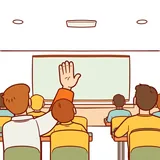 |
| 대사관 | daesagwan | embassy 대사관에 가요 I'm going to the embassy. | 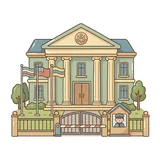 |
| 대학 | daehak | university, college 대학에 가요 I'm going to college. |  |
| 대학생 | daehaksaeng | university student 저는 대학생이에요 I'm a university student. | 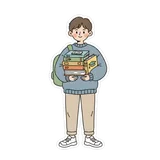 |
| 대화 | daehwa | conversation 대화를 해요 We have a conversation. | 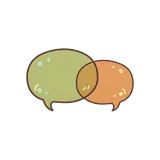 |
| 도와주다 | dowajuda | to help 친구를 도와줘요 도와주다 → 도와줘요 I help my friend. | 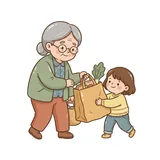 |
| 도착 | dochak | arrival 도착이 늦었어요 The arrival was late. | 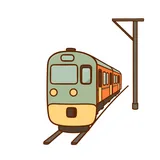 |
| 돕다 | dopda | to help 동생은 집에서 어머니를 도와요 돕다 → 도와요 My younger sibling helps our mother at home. | 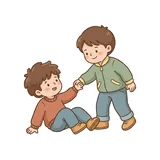 |
| 동대문 | dongdaemun | Dongdaemun Gate 동대문에 가요 I'm going to Dongdaemun. | 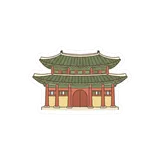 |
| 동안 | dongan | during, period of time 방학 동안 여행해요 I travel during vacation. | 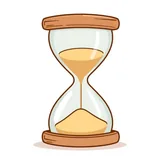 |
| 된장찌개 | doenjangjjigae | doenjang stew, soybean paste stew 된장찌개를 먹어요 I eat soybean paste stew. | 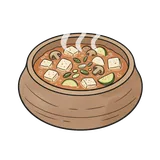 |
| 두 L1-08 | du | two (native) 사과가 두 개 있어요 There are two apples. |  |
| 드라마 | deurama | drama, TV series 드라마를 봐요 I watch a drama. | 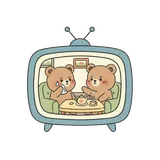 |
| 드리다 | deurida | to give (honorific) 선생님께 드려요 드리다 → 드려요 I give it to the teacher. | 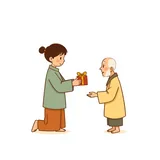 |
| 들어오다 | deureooda | to come in 집에 들어와요 들어오다 → 들어와요 I come into the house. | 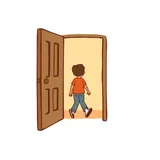 |
| 만² L1-07 | man | ten thousand · (한자어 수) 만 · 만 원 만 원이에요 It's 10,000 won. | 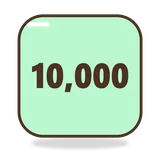 |
| 말다¹ | malda | to not do, to stop · -지 말다, 잊지 말다 울지 말아요 말다 → 말아요 Don't cry. | 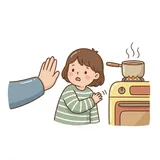 |
| 말레이시아 L1-04 | malleisia | Malaysia 말레이시아에서 왔어요 I'm from Malaysia. |  |
| 말씀 | malsseum | words, speech (honorific) 선생님의 말씀을 들어요 I listen to what the teacher says. | 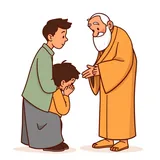 |
| 맛 | mat | taste, flavor 이 음식은 맛이 좋아요 This food tastes good. |  |
| 매일 | maeil | every day 한국어를 배워요. 매일 단어를 공부해요 I'm learning Korean. I study vocabulary every day. |  |
| 멀다 | meolda | to be far 학교가 멀어요 멀다 → 멀어요 School is far away. | 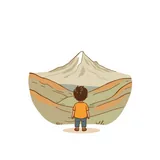 |
| 모레 | more | the day after tomorrow 모레 만나요 See you the day after tomorrow. | 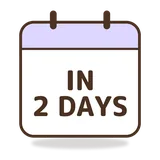 |
| 목욕탕 | mogyoktang | public bathhouse 목욕탕에 가요 I'm going to the bathhouse. |  |
| 몽골 L1-04 | monggol | Mongolia 몽골에서 왔어요 I'm from Mongolia. | 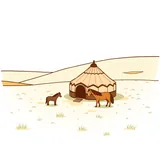 |
| 묻다¹ | mutda | to ask · 길을 묻다 선생님께 물어요 묻다 → 물어요 I ask the teacher. | 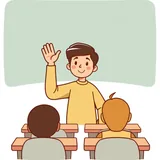 |
| 미안 L1-03 | mian | sorry, apology 지민 씨, 어제 전화 못 해서 미안해요 Jimin, I'm sorry I couldn't call you yesterday. | 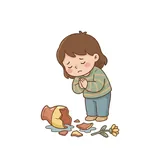 |
| 미용실 | miyongsil | hair salon 미용실에 가요 I'm going to the hair salon. | 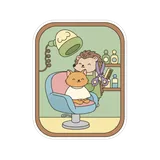 |
| 바쁘다 | bappeuda | to be busy 요즘 바빠요 바쁘다 → 바빠요 I'm busy these days. |  |
| 백만 L1-07 | baengman | million 백만 원이에요 It's a million won. | 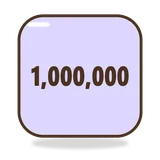 |
| 번호 | beonho | number 번호를 알아요 I know the number. | 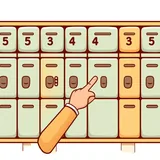 |
| 부르다 | bureuda | to call (someone) 친구를 불러요 부르다 → 불러요 I call my friend over. |  |
| 부산 | busan | Busan 부산에 가요 I'm going to Busan. | 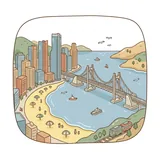 |
| 부탁 | butak | favor, request 부탁이 있어요 I have a favor to ask. | 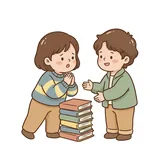 |
| 불 | bul | fire 건물에 불이 났어요. 빨리 나가세요 There's a fire in the building. Get out quickly. |  |
| 불다 L1-17 | bulda | to blow 오늘 바다에 바람이 불어요 불다 → 불어요 The wind is blowing at sea today. | 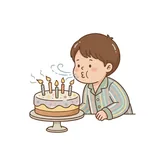 |
| 사귀다 | sagwida | to make friends with 친구를 사귀어요 사귀다 → 사귀어요 I make friends. |  |
| 사랑 | sarang | love 부모님의 사랑은 정말 따뜻해요 Our parents' love is truly warm. |  |
| 사십 L1-07 | sasip | forty 사십 명이에요 There are forty people. |  |
| 사월 L1-10 | sawol | April 사월은 봄이에요 April is spring. |  |
| 사이다 | saida | lemon-lime soda 사이다를 마셔요 I drink lemon-lime soda. | 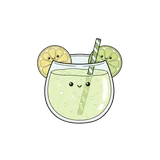 |
| 삼십 L1-07 | samsip | thirty 삼십 명이 있어요 There are thirty people. |  |
| 삼월 L1-10 | samwol | March 삼월에 학교가 시작해요 School starts in March. | 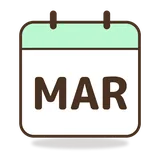 |
| 생신 L1-11 | saengsin | birthday (honorific) 할머니 생신이에요 It's my grandmother's birthday. |  |
| 샤워 | syawo | shower 샤워를 해요 I take a shower. |  |
| 설명 | seolmyeong | explanation 설명이 쉬워요 The explanation is easy to understand. | 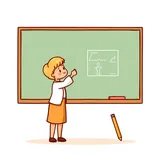 |
| 세¹ L1-08 | se | three (native) · 세 명 · 세 개 세 명이 있어요 There are three people. |  |
| 세수 | sesu | washing one's face 아침에 세수를 해요 I wash my face in the morning. | 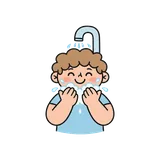 |
| 소개 L1-04 | sogae | introduction 소개를 해요 I make an introduction. | 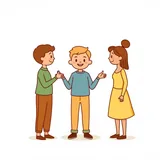 |
| 소금 | sogeum | salt 소금을 넣어요 I add salt. |  |
| 수첩 | sucheop | pocket notebook, planner 수첩이 있어요 I have a pocket notebook. | 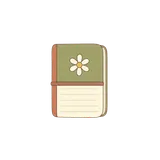 |
| 슈퍼마켓 | syupeomaket | supermarket 슈퍼마켓에서 사요 I buy it at the supermarket. | 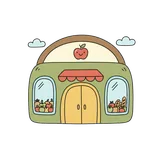 |
| 스키 | seuki | ski, skiing 스키를 타요 I go skiing. | 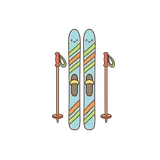 |
| 시다 | sida | to be sour 레몬이 시어요 시다 → 시어요 Lemons are sour. | 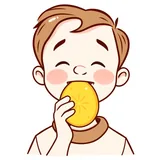 |
| 시작 | sijak | start, beginning 시작이 중요해요 The beginning is important. |  |
| 시청¹ | sicheong | city hall · 시청에 가다 시청에 가요 I'm going to city hall. | 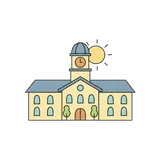 |
| 신다 | sinda | to put on (shoes, socks) 운동화를 신어요 신다 → 신어요 I put on sneakers. |  |
| 실례¹ | sillye | discourtesy, excuse me · 실례가 되다 수업 시간에 전화는 실례예요 Taking phone calls during class is rude. | 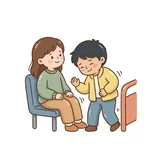 |
| 십만 L1-07 | simman | hundred thousand 십만 원이에요 It's a hundred thousand won. | 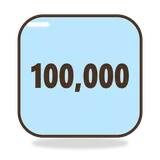 |
| 십이월 L1-10 | sibiwol | December 십이월에 눈이 와요 It snows in December. |  |
| 십일월 L1-10 | sibirwol | November 십일월은 추워요 November is cold. |  |
| 쓰다¹ | sseuda | to write 학생은 공책에 이름을 써요 쓰다 → 써요 The student writes his name in the notebook. |  |
| 아르바이트 | areubaiteu | part-time job 아르바이트를 해요 I work part-time. | 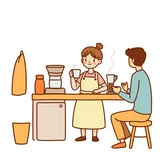 |
| 아흔 L1-08 | aheun | ninety (native) 아흔 살이에요 I'm ninety years old. | |
| 알다 | alda | to know 이름을 알아요 알다 → 알아요 I know the name. |  |
| 어제 | eoje | yesterday 어제 학교에 갔어요 I went to school yesterday. |  |
| 억 L1-07 | eok | hundred million 우리 아파트는 삼억 원이에요 Our apartment is 300 million won. | 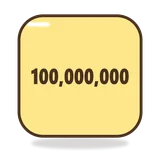 |
| 언제 | eonje | when 공항에 언제 도착해요? 오후 세 시에 도착해요 When do you arrive at the airport? I arrive at 3 p.m. | 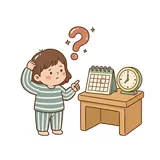 |
| 여권 | yeogwon | passport 여권이 있어요 I have a passport. | 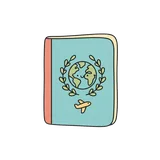 |
| 여든 L1-08 | yeodeun | eighty (native) 할머니가 여든이에요 My grandmother is eighty. | 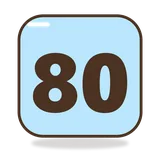 |
| 연습 | yeonseup | practice 연습을 해요 I practice. | 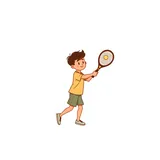 |
| 열쇠 | yeolsoe | key 열쇠가 없어요 I don't have the key. |  |
| 영 L1-07 | yeong | zero 어제 축구 경기는 일 대 영이었어요 Yesterday's soccer game was one to nothing. | 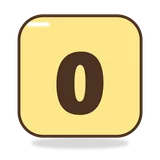 |
| 오늘 | oneul | today 오늘은 날씨가 좋아요. 공원에서 산책해요 The weather is nice today. I'm taking a walk in the park. |  |
| 오렌지 | orenji | orange 오렌지를 먹어요 I eat an orange. |  |
| 오십 L1-07 | osip | fifty 오십 명이에요 There are fifty people. | 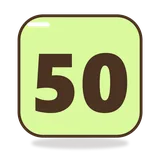 |
| 오월 L1-10 | owol | May 오월에 여행해요 I travel in May. |  |
| 외국 | oeguk | foreign country 외국에 가요 I go abroad. |  |
| 외국어 | oegugeo | foreign language 외국어를 배워요 I learn a foreign language. | 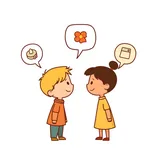 |
| 우표 | upyo | postage stamp 우표를 붙여요 I put on a stamp. |  |
| 유명 | yumyeong | fame, being famous 유명한 배우예요 He's a famous actor. | 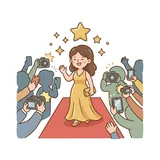 |
| 육십 L1-07 | yuksip | sixty 육십 원이에요 It's 60 won. | 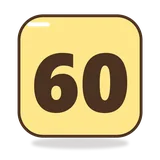 |
| 이십 L1-07 | isip | twenty 이십 명이에요 There are twenty people. | 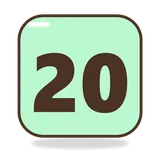 |
| 이월 L1-10 | iwol | February 이월에 눈이 와요 It snows in February. |  |
| 인도네시아 L1-04 | indonesia | Indonesia 인도네시아에서 왔어요 I'm from Indonesia. |  |
| 일월 L1-10 | irwol | January 일월은 추워요 January is cold. |  |
| 일흔 L1-08 | ilheun | seventy (native) 할아버지가 일흔이에요 My grandfather is seventy. | 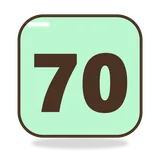 |
| 잘못 | jalmot | fault, mistake 잘못이 없어요 It's not your fault. | 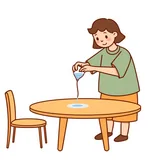 |
| 잠 | jam | sleep 잠을 자요 I sleep. | 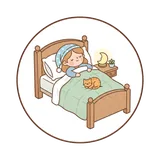 |
| 잡수시다 L1-11 | japsusida | to eat (honorific) 할아버지께서 밥을 잡수세요 잡수시다 → 잡수세요 Grandfather is having his meal. |  |
| 잡채 | japchae | japchae, stir-fried glass noodles 잡채를 먹어요 I eat japchae. | 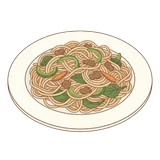 |
| 저쪽 | jeojjok | over there, that side 은행을 찾아요. 저쪽에 은행이 있어요 I'm looking for a bank. There's a bank over there. | 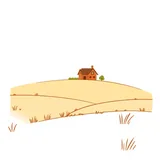 |
| 전공 | jeongong | major (field of study) 전공이 한국어예요 My major is Korean. |  |
| 제주도 | jejudo | Jeju Island 제주도에 가요 I'm going to Jeju Island. | 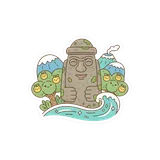 |
| 종업원 | jongeobwon | employee, server 종업원이 와요 The server is coming. |  |
| 주무시다 L1-11 | jumusida | to sleep (honorific) 할머니께서 주무세요 주무시다 → 주무세요 Grandmother is sleeping. | 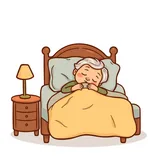 |
| 주부 | jubu | housewife 우리 어머니는 주부예요 My mother is a homemaker. | 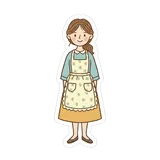 |
| 주인 | juin | owner 주인이 친절해요 The owner is kind. |  |
| 준비 | junbi | preparation 시험 준비를 해요 I'm preparing for an exam. | 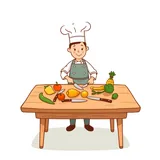 |
| 지난달 | jinandal | last month 지난달에 여행했어요 I traveled last month. | 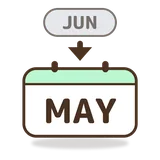 |
| 지난해 | jinanhae | last year 지난해에 한국에 왔어요 I came to Korea last year. | 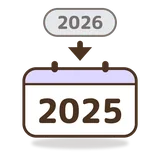 |
| 지하철역 | jihacheollyeok | subway station 지하철역에 있어요 I'm at the subway station. |  |
| 질문 | jilmun | question 질문이 있어요 I have a question. |  |
| 찍다¹ | jjikda | to take (a photo); to stamp · 사진을 찍다, 도장을 찍다 공원에서 친구와 사진을 찍어요 찍다 → 찍어요 I take photos with a friend in the park. |  |
| 참외 | chamoe | Korean melon 참외를 먹어요 I eat a Korean melon. |  |
| 찾아보다 | chajaboda | to look up, to search through 단어를 찾아봐요 찾아보다 → 찾아봐요 I look up a word. |  |
| 천만 L1-07 | cheonman | ten million 천만 원이에요 It's ten million won. | 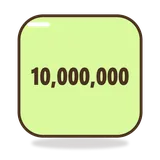 |
| 초콜릿 | chokollit | chocolate 초콜릿을 좋아해요 I like chocolate. | 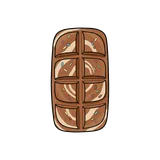 |
| 추다 | chuda | to dance 아이들이 교실에서 함께 춤을 춰요 추다 → 춰요 The children dance together in the classroom. | 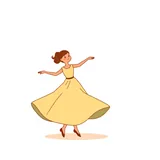 |
| 축하 | chukha | congratulations, celebration 친구에게 생일 축하 편지를 써요 I write my friend a letter wishing them a happy birthday. | 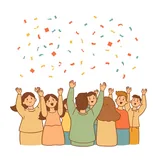 |
| 출발 | chulbal | departure 출발 시간이에요 It's time to leave. | 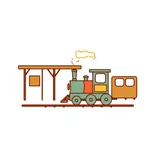 |
| 친절 | chinjeol | kindness 친절이 중요해요 Kindness is important. | 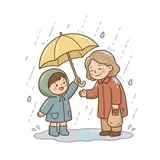 |
| 친하다 | chinhada | to be close with 저는 학교 친구와 아주 친해요 친하다 → 친해요 I'm very close with my school friend. |  |
| 칠십 L1-07 | chilsip | seventy 칠십 명이에요 There are seventy people. | |
| 칠월 L1-10 | chirwol | July 칠월은 더워요 July is hot. |  |
| 카메라 | kamera | camera 카메라가 있어요 I have a camera. |  |
| 커피숍 | keopisyop | coffee shop 커피숍에서 공부해요 I study at a coffee shop. |  |
| 컵 | keop | cup; cupful (counting drinks) (고유어 수) 컵 · 우유 한 컵 아침에 우유 한 컵을 마셔요 I drink a cup of milk in the morning. |  |
| 콘서트 | konseoteu | concert 콘서트에 가요 I'm going to a concert. |  |
| 터미널 | teomineol | bus terminal 터미널에서 기다려요 I wait at the terminal. | 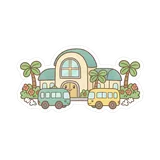 |
| 테니스 | teniseu | tennis 테니스를 쳐요 I play tennis. | 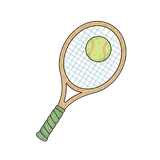 |
| 퇴근 | toegeun | leaving work, getting off work 퇴근 후에 운동해요 I exercise after work. | 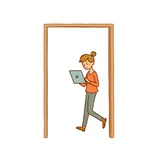 |
| 특별하다 | teukbyeolhada | to be special 오늘이 특별해요 특별하다 → 특별해요 Today is special. |  |
| 팔십 L1-07 | palsip | eighty 팔십 원이에요 It's 80 won. | |
| 팔월 L1-10 | parwol | August 팔월은 더워요 August is hot. |  |
| 포도 | podo | grape 포도를 먹어요 I eat grapes. |  |
| 피아노 | piano | piano 피아노를 쳐요 I play the piano. | 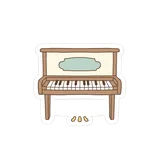 |
| 필통 | piltong | pencil case 필통이 있어요 I have a pencil case. | 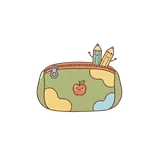 |
| 하루 | haru | one day, a day 하루가 길어요 The day is long. |  |
| 학생증 | haksaengjeung | student ID card 학생증이 있어요 I have a student ID. | 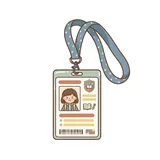 |
| 한¹ L1-08 | han | one (native) · (고유어 수) 한 · 한 개 한 개 주세요 One, please. |  |
| 한가하다 | hangahada | to be free, to be leisurely 오늘 한가해요 한가하다 → 한가해요 I'm free today. |  |
| 한복 | hanbok | hanbok, Korean traditional dress 한복이 예뻐요 The hanbok is pretty. | 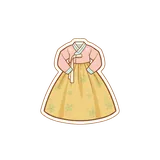 |
| 회의 | hoeui | meeting 회의가 있어요 I have a meeting. | 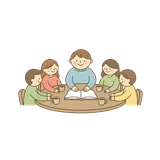 |
| 네² | ne | four (before a counter) · 네 명, 네 개 우리 가족은 네 명이에요 There are four people in my family. |  |
| 가지¹ | gaji | kind, type (counting kinds) (고유어 수) 가지 · 한 가지 두 가지 방법이 있어요 There are two ways. | |
| 것 | geot | thing; fact or action (after a modifier) (관형어) 것 · 제 것 맛있는 것을 먹고 싶어요 I want to eat something delicious. | |
| 그² L1-05 | geu | that (before a noun) · 그 + 명사 · 그 가방 가방이 마음에 들어요. 그 가방을 사고 싶어요 I like the bag. I want to buy that bag. | |
| 그렇다 | geureota | to be so, to be like that 네, 그렇지요 그렇다 → 그렇지요 Yes, that's right. | |
| 그쪽 | geujjok | that side, that way 우체국은 오른쪽에 있어요. 그쪽으로 가세요 The post office is on the right. Go that way. | |
| 나 | na | I, me 나는 학생이에요 I'm a student. | |
| 나중 | najung | later, the future 나중에 만나요 See you later. | |
| 내 | nae | my 내 가방이에요 It's my bag. | |
| 달 | dal | month (counting a duration) (고유어 수) 달 · 한 달 저는 두 달 동안 한국에 있었어요 I was in Korea for two months. | |
| 때¹ | ttae | time, occasion; when (after a time expression or clause) (시간 명사·관형형) 때 · 방학 때 저는 방학 때 바다에 가요 I go to the beach during vacation. | |
| 몇 | myeot | how many, a few 몇 명이에요? How many people? | |
| 사용 | sayong | use, usage 사용이 편해요 It's easy to use. | |
| 시간 | sigan | hour (length of time) (기간) 고유어 수 + 시간 · 한 시간 도서관에서 두 시간 공부해요 I study at the library for two hours. | |
| 쓰다² | sseuda | to use 컴퓨터를 써요 쓰다 → 써요 I use a computer. | |
| 쓰다³ | sseuda | to be bitter 이 약이 써요 쓰다 → 써요 This medicine is bitter. | |
| 씨¹ | ssi | polite title after a person's name (이름) 씨 · 지민 씨 지민 씨는 한국어를 배워요 Jimin is learning Korean. | |
| 아름답다 | areumdapda | to be beautiful 꽃이 아름다워요 아름답다 → 아름다워요 The flowers are beautiful. | |
| 알리다 | allida | to inform, to let know 친구에게 알려요 알리다 → 알려요 I let my friend know. | |
| 어떻다 | eotteota | to be how 기분이 어때요? 어떻다 → 어때요 How are you feeling? | |
| 원¹ L1-15 | won | won (unit of Korean currency) (한자어 수) 원 · 천 원 천 원이에요 It's 1,000 won. | |
| 이¹ L1-05 | i | this 이 가방은 누구 것이에요? 제 것이에요 Whose bag is this? It's mine. | |
| 인분 L1-14 | inbun | serving for one person (counting portions) (한자어 수) 인분 · 일 인분 이 인분을 주문해요 I order two servings. | |
| 일² L1-10 | il | day (date or number of days) (한자어 수) 일 · 삼 일 동안 오늘은 십오 일이에요 Today is the 15th. | |
| 일주일 | iljuil | one week 일주일이 지났어요 A week has passed. | |
| 저² L1-05 | jeo | that (over there) 저 건물이 학교예요. 학생이 많아요 That building is the school. There are many students. | |
| 전¹ | jeon | former 전 직장이에요 It's my former workplace. | |
| 정말 | jeongmal | really 정말 좋아요 It's really good. | |
| 제 | je | my (humble) 제 이름은 민준이에요 My name is Minjun. | |
| 주¹ | ju | week (calendar week or duration) (기간) 수 + 주 / (관형어) 주 · 한 주 이번 주가 바빠요 This week is busy. | |
| 주일 | juil | week (a seven-day duration) (기간) 수 + 주일 · 한 주일 한 주일 동안 한국을 여행해요 I'm traveling in Korea for a week. | |
| 중¹ | jung | during; in the middle of an activity (명사·관형형) 중 · 공부 중 공부 중이에요 I'm in the middle of studying. | |
| 지금 | jigeum | now 지금 가요 I'm going now. | |
| 크다 | keuda | to grow (up) · 아이가 크다 · 쑥쑥 크다 아이가 쑥쑥 커요 크다 → 커요 The child is growing fast. | |
| 필요 | piryo | need, necessity 필요가 없어요 There's no need. | |
| 호 | ho | number (rooms, issues, or numbered items) (한자어 수) 호 · 일 호 제 방은 이백삼 호예요 My room is number 203. | |
| 약² | yak | about, approximately (before a number) · 약 + 숫자 집에서 학교까지 약 삼십 분 걸려요 It takes about thirty minutes from home to school. |
FAQ
- How many TOPIK 1 Korean society & ideas words are on this list?
- This page lists 197 beginner-level Korean society & ideas vocabulary words (TOPIK 1), each with romanization and an English meaning — free, by a certified Korean teacher.
- Is this society & ideas word list free to use?
- It is free with no sign-up. Browse and search the full list online, switch TOPIK levels above, or open the matching lessons to study the words in context.
A
Written by Alvin Lim Certified Korean Language Teacher (Level 2)