Beginner Korean Basics & Grammar Vocabulary List (TOPIK 1)
A complete list of 227 beginner-level Korean basics & grammar vocabulary words (TOPIK 1). Every word includes romanization and its English meaning, curated by a certified Korean language teacher. Filter to search, or switch levels below.
| Korean | Romanization | Meaning | Picture |
|---|---|---|---|
| 가다 L1-06 | gada | to go 주말에 친구하고 바다에 가요 가다 → 가요 I'm going to the beach with a friend this weekend. | 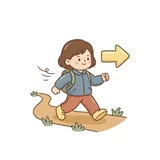 |
| 만나다 L1-09 | mannada | to meet 금요일에 카페에서 친구를 만나요 만나다 → 만나요 I meet a friend at a café on Friday. |  |
| 못하다 L1-14 | motada | to be bad at, can't do well (one word) 한국어를 아직 잘 못해요 못하다 → 못해요 I'm still not good at Korean. | 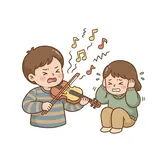 |
| 쉬다¹ L1-13 | swida | to rest · 푹 쉬다 주말에는 집에서 혼자 쉬어요 쉬다 → 쉬어요 On weekends I rest alone at home. | 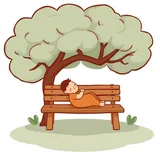 |
| 오다 L1-06 | oda | to come 주말에 친구가 집에 와요 오다 → 와요 My friend is coming to my house this weekend. | 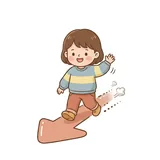 |
| 일어나다 L1-13 | ireonada | to get up 일곱 시에 일어나요 일어나다 → 일어나요 I get up at seven. |  |
| 자다 L1-06 | jada | to sleep 아이가 방에서 혼자 자요 자다 → 자요 The child sleeps alone in the room. |  |
| 주다 L1-16 | juda | to give 동생한테 물을 줘요 주다 → 줘요 I give my younger sibling some water. | 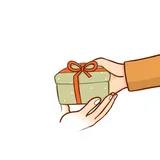 |
| 재미있다 L1-19 | jaemiitda | to be fun, interesting 영화가 재미있었어요 재미있다 → 재미있었어요 The movie was fun. |  |
| 같이 L1-22 | gachi | together 친구가 집에 왔어요. 같이 게임을 했어요 My friend came over. We played games together. | 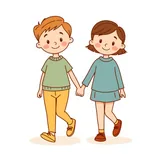 |
| 늦게 L1-19 | neutge | late 어제 늦게 잤어요. 오늘 아침에 피곤해요 I went to bed late yesterday. I'm tired this morning. | 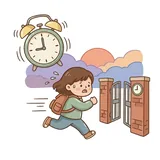 |
| 일찍 L1-19 | iljjik | early 오늘은 일찍 일어났어요. 아침 다섯 시예요 I got up early today. It's five in the morning. | 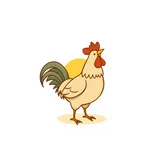 |
| 혼자 L1-21 | honja | alone 부모님은 회사에 계세요. 저는 집에 혼자 있어요 My parents are at work. I'm home alone. | 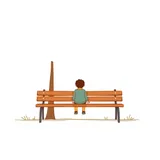 |
| 보다¹ L1-06 | boda | to see, to watch 주말에 동생하고 집에서 영화를 봐요 보다 → 봐요 I watch a movie at home with my younger sibling on the weekend. |  |
| 씻다 L1-13 | ssitda | to wash (up) 저는 아침에 욕실에서 얼굴을 씻어요 씻다 → 씻어요 I wash my face in the bathroom in the morning. | 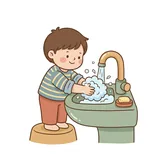 |
| 퇴근하다 L1-20 | toegeunhada | to get off work 여섯 시에 퇴근해요 퇴근하다 → 퇴근해요 I get off work at six. | 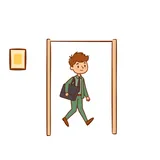 |
| 이사하다 L1-20 | isahada | to move (house) 다음 주에 이사해요 이사하다 → 이사해요 I'm moving next week. | 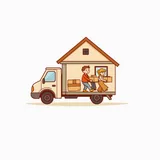 |
| 끝나다 L1-20 | kkeunnada | to end, be over 일이 일곱 시에 끝나요 끝나다 → 끝나요 Work ends at seven. | 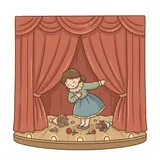 |
| 가져가다 | gajyeogada | to take along 가방을 가져가요 가져가다 → 가져가요 I take my bag with me. | 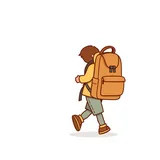 |
| 가져오다 | gajyeooda | to bring 책을 가져와요 가져오다 → 가져와요 I bring a book. | 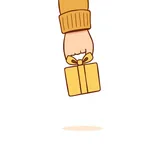 |
| 가지다 | gajida | to have, possess 저도 자전거를 한 대 가지고 싶어요 가지다 → 가지고 I want to have a bicycle too. |  |
| 걷다¹ L1-23 | geotda | to walk · 길을 걷다 공원에서 걸어요 걷다 → 걸어요 I walk in the park. | 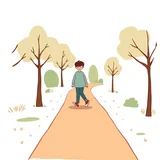 |
| 걸다 | geolda | to hang 가방을 벽에 걸어요 걸다 → 걸어요 I hang my bag on the wall. | 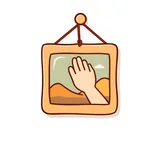 |
| 걸리다 | geollida | to be hung 거실 벽에 가족 사진이 걸려 있어요 걸리다 → 걸려 A family photo is hanging on the living room wall. | 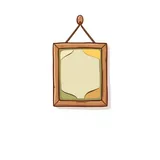 |
| 고르다¹ | goreuda | to choose, to pick · 옷을 고르다 · 선물을 고르다 옷을 골라요 고르다 → 골라요 I pick out clothes. | 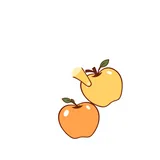 |
| 고치다 | gochida | to fix, repair 컴퓨터를 고쳐요 고치다 → 고쳐요 I fix the computer. | 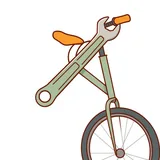 |
| 기다리다 | gidarida | to wait, to wait for 친구를 기다려요 기다리다 → 기다려요 I wait for my friend. | 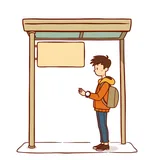 |
| 나가다 | nagada | to go out 밖에 나가요 나가다 → 나가요 I go outside. | 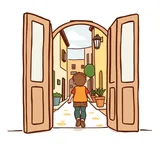 |
| 내다 | naeda | to set (a question), to pose 선생님이 문제를 내요 내다 → 내요 The teacher gives us a question. |  |
| 넣다 | neota | to put in, to insert 가방에 책을 넣어요 넣다 → 넣어요 I put a book in my bag. |  |
| 노력하다 | noryeokada | to make an effort, to try hard 매일 노력해요 노력하다 → 노력해요 I try hard every day. | 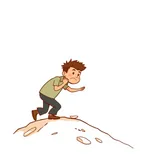 |
| 되다 | doeda | to become 저는 나중에 선생님이 되고 싶어요 되다 → 되고 I want to become a teacher later. |  |
| 들다¹ | deulda | to cost, to take (money) 돈이 많이 들어요 들다 → 들어요 It costs a lot of money. |  |
| 들어가다 | deureogada | to go in, to enter 교실에 들어가요 들어가다 → 들어가요 I go into the classroom. | 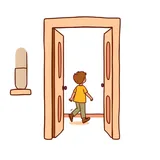 |
| 만들다 | mandeulda | to make 케이크를 만들어요 만들다 → 만들어요 I make a cake. | 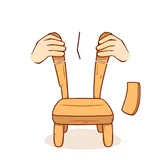 |
| 모르다 | moreuda | to not know 이름을 몰라요 모르다 → 몰라요 I don't know the name. | 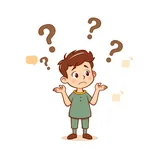 |
| 모으다 | moeuda | to collect, to gather 우표를 모아요 모으다 → 모아요 I collect stamps. | 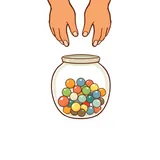 |
| 받다 | batda | to receive, to get 선물을 받아요 받다 → 받아요 I receive a present. | 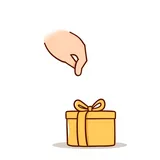 |
| 방법 | bangbeop | method, way 방법이 있어요 There's a way. | 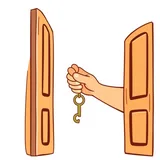 |
| 빌리다 | billida | to borrow 책을 빌려요 빌리다 → 빌려요 I borrow a book. | 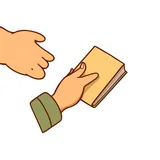 |
| 사용하다 | sayonghada | to use 아버지는 회사에서 컴퓨터를 사용해요 사용하다 → 사용해요 My father uses a computer at work. | 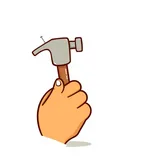 |
| 서다 | seoda | to stand 버스 앞에 서요 서다 → 서요 I stand in front of the bus. | 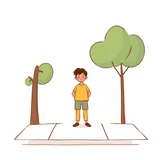 |
| 시작하다 | sijakada | to start, to begin 수업을 시작해요 시작하다 → 시작해요 We start class. | 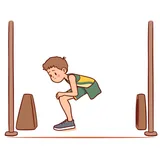 |
| 앉다 | anda | to sit 지민 씨는 창문 옆에 앉아요 앉다 → 앉아요 Jimin sits next to the window. | 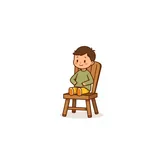 |
| 잊다 | itda | to forget 이름을 잊어요 잊다 → 잊어요 I forget the name. | 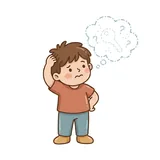 |
| 잘하다 | jalhada | to be good at 한국어를 잘해요 잘하다 → 잘해요 I'm good at Korean. | 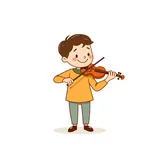 |
| 준비하다 | junbihada | to prepare 파티를 준비해요 준비하다 → 준비해요 I prepare for the party. | 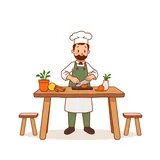 |
| 지내다 L1-03 | jinaeda | to get along, to spend (one's days) 잘 지냈어요? 지내다 → 지냈어요 How have you been? | 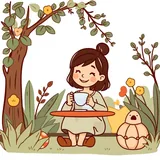 |
| 찾다 | chatda | to look for, to find 가방을 찾아요 찾다 → 찾아요 I'm looking for my bag. | 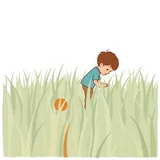 |
| 가늘다 | ganeulda | to be thin, to be slender 다리가 가늘어요 가늘다 → 가늘어요 Her legs are slender. | 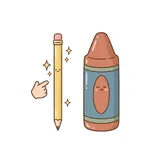 |
| 가볍다 | gabyeopda | to be light 이 가방은 가벼워요 가볍다 → 가벼워요 This bag is light. |  |
| 같다 | gatda | to be the same 이것과 저것이 같아요 같다 → 같아요 This and that are the same. | 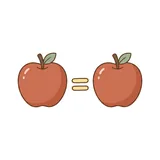 |
| 길다¹ | gilda | to be long · 다리가 길다 언니의 머리카락은 아주 길어요 길다 → 길어요 My older sister's hair is very long. | 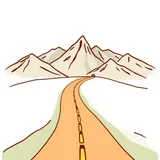 |
| 깊다 | gipda | to be deep 바다가 깊어요 깊다 → 깊어요 The sea is deep. | 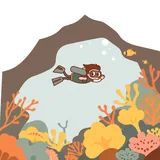 |
| 깨끗하다 | kkaekkeutada | to be clean 방이 깨끗해요 깨끗하다 → 깨끗해요 The room is clean. |  |
| 나쁘다 | nappeuda | to be bad 날씨가 나빠요 나쁘다 → 나빠요 The weather is bad. | 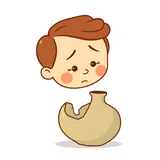 |
| 낮다 | natda | to be low 책상이 낮아요 낮다 → 낮아요 The desk is low. | 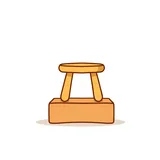 |
| 넓다 | neolda | to be wide, to be spacious 할머니 집은 거실이 넓어요 넓다 → 넓어요 Grandma's house has a spacious living room. | 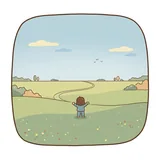 |
| 높다 | nopda | to be high 저 건물은 아주 높아요 높다 → 높아요 That building is very tall. | 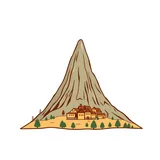 |
| 느리다 | neurida | to be slow 걸음이 느려요 느리다 → 느려요 He walks slowly. | 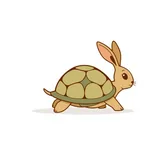 |
| 다르다 | dareuda | to be different 이것은 저것과 달라요 다르다 → 달라요 This is different from that. | 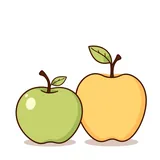 |
| 더럽다 | deoreopda | to be dirty 손이 더러워요 더럽다 → 더러워요 My hands are dirty. |  |
| 많다 | manta | to be many, to be much 사람이 많아요 많다 → 많아요 There are a lot of people. |  |
| 맞다¹ | matda | to be right, correct · 답이 맞다 답이 맞아요 맞다 → 맞아요 The answer is correct. |  |
| 멋있다 | meositda | to be cool, to be handsome 이 남자는 멋있어요 멋있다 → 멋있어요 This man is cool. |  |
| 무겁다 | mugeopda | to be heavy 가방이 무거워요 무겁다 → 무거워요 The bag is heavy. | 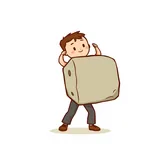 |
| 밝다 | bakda | to be bright 방이 밝아요 밝다 → 밝아요 The room is bright. |  |
| 복잡하다 | bokjapada | to be complicated 길이 복잡해요 복잡하다 → 복잡해요 The roads are complicated. |  |
| 부지런하다 | bujireonhada | to be diligent 동생이 부지런해요 부지런하다 → 부지런해요 My younger sibling is diligent. | 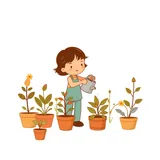 |
| 불편하다 | bulpyeonhada | to be uncomfortable, inconvenient 의자가 불편해요 불편하다 → 불편해요 The chair is uncomfortable. | 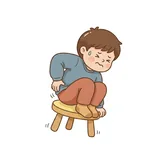 |
| 비슷하다 | biseutada | to be similar 두 사람이 비슷해요 비슷하다 → 비슷해요 The two of them look alike. | 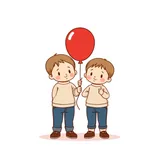 |
| 빠르다 | ppareuda | to be fast 지하철이 빨라요 빠르다 → 빨라요 The subway is fast. |  |
| 어둡다 | eodupda | to be dark 방이 어두워요 어둡다 → 어두워요 The room is dark. |  |
| 어렵다 | eoryeopda | to be difficult 한국어가 어려워요 어렵다 → 어려워요 Korean is difficult. | 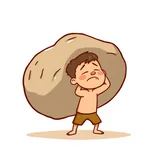 |
| 어리다¹ | eorida | to be young · 나이가 어리다 · 어린 시절 동생이 어려요 어리다 → 어려요 My younger sibling is young. | 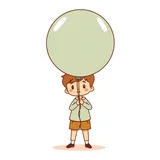 |
| 없다 L1-12 | eopda | to not exist, to not have 시간이 없어요 없다 → 없어요 I don't have time. | 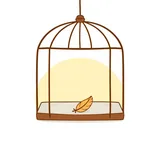 |
| 예쁘다 | yeppeuda | to be pretty 봄에는 공원 꽃이 예뻐요 예쁘다 → 예뻐요 The flowers in the park are pretty in spring. | 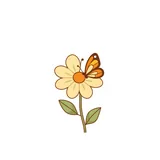 |
| 유명하다 | yumyeonghada | to be famous 이 식당은 유명해요 유명하다 → 유명해요 This restaurant is famous. | 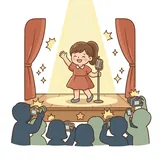 |
| 작다 | jakda | to be small 가방이 작아요 작다 → 작아요 The bag is small. |  |
| 재미없다 L1-17 | jaemieopda | to be boring, not fun 이 영화는 재미없어요 재미없다 → 재미없어요 This movie is boring. | 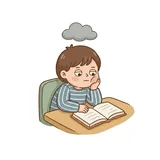 |
| 적다¹ | jeokda | to be few, little 학생이 적어요 적다 → 적어요 There are few students. | 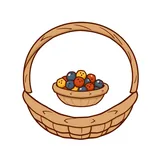 |
| 조용하다 | joyonghada | to be quiet 도서관이 조용해요 조용하다 → 조용해요 The library is quiet. | 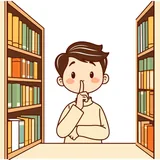 |
| 좁다 | jopda | to be narrow 방이 좁아요 좁다 → 좁아요 The room is small. | 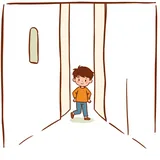 |
| 중요하다 | jungyohada | to be important 가족에게는 건강이 가장 중요해요 중요하다 → 중요해요 For a family, health is the most important thing. |  |
| 짧다 | jjalda | to be short 머리가 짧아요 짧다 → 짧아요 My hair is short. |  |
| 크다 | keuda | to be big · 키가 크다 · 건물이 크다 우리 학교는 건물이 커요 크다 → 커요 Our school has big buildings. | 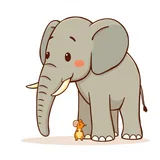 |
| 편리하다 | pyeollihada | to be convenient 지하철이 편리해요 편리하다 → 편리해요 The subway is convenient. | 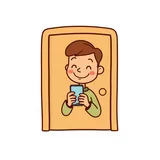 |
| 편안하다 | pyeonanhada | to be comfortable, at ease 소파가 편안해요 편안하다 → 편안해요 The sofa is comfortable. | 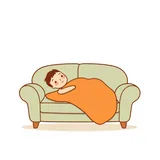 |
| 편하다 | pyeonhada | to be comfortable, to feel easy 침대가 편해요 편하다 → 편해요 The bed is comfortable. | 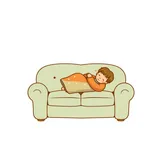 |
| 필요하다 | piryohada | to be necessary, to need 돈이 필요해요 필요하다 → 필요해요 I need money. | 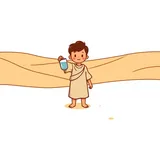 |
| 힘들다 | himdeulda | to be hard, to be tiring 일이 힘들어요 힘들다 → 힘들어요 The work is hard. | 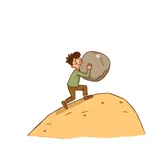 |
| 가까이 | gakkai | close, nearby 사진을 찍어요. 모두 가까이 오세요 Let's take a photo. Everyone, come closer. | 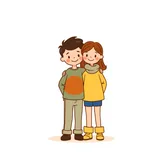 |
| 가득 | gadeuk | fully, full 냉장고를 열었어요. 과일이 가득 있어요 I opened the fridge. It's full of fruit. | 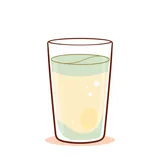 |
| 갑자기 | gapjagi | suddenly 공원에서 산책했어요. 갑자기 비가 왔어요 I took a walk in the park. Suddenly it started raining. | 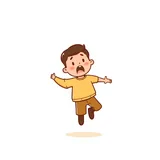 |
| 많이 | mani | a lot, much 시장에 갔어요. 채소를 많이 샀어요 I went to the market. I bought a lot of vegetables. | 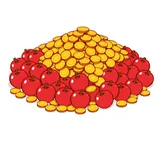 |
| 빨리 | ppalli | quickly, fast 수업에 늦었어요. 빨리 교실로 가세요 You're late for class. Hurry to the classroom. | 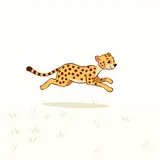 |
| 열심히 | yeolsimhi | hard, diligently 내일 한국어 시험이 있어요. 열심히 공부해요 I have a Korean test tomorrow. I'm studying hard. | 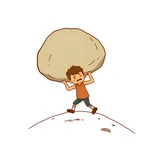 |
| 조용히 | joyonghi | quietly 아기가 자요. 방에서 조용히 이야기하세요 The baby is sleeping. Please talk quietly in the room. | 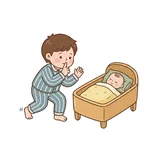 |
| 처음 | cheoeum | beginning, first time 처음 만났어요 We met for the first time. | 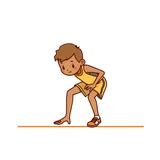 |
| 천천히 | cheoncheonhi | slowly 길에 사람이 많아요. 천천히 걸으세요 There are a lot of people on the street. Walk slowly. |  |
| 크게 | keuge | loudly, greatly 교실이 넓어요. 이름을 크게 말하세요 The classroom is big. Say your name loudly. |  |
| 함께 | hamkke | together 오늘은 가족 여행이에요. 부모님과 함께 바다에 가요 Today is our family trip. I'm going to the beach with my parents. | 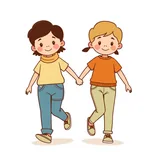 |
| 항상 | hangsang | always 저는 아침에 운동해요. 항상 공원에 가요 I exercise in the morning. I always go to the park. | 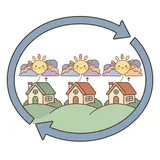 |
| 계시다 L1-11 | gyesida | to be, to stay (honorific) 선생님이 교실에 계세요 계시다 → 계세요 The teacher is in the classroom. | 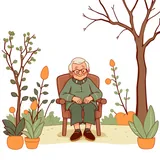 |
| 여러 | yeoreo | several, various 서점에서 여러 나라의 책을 샀어요 I bought books from various countries at the bookstore. | 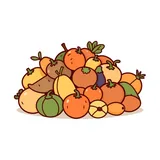 |
| 안녕 L1-03 | annyeong | hi, bye (casual) 친구가 "민수야, 안녕! 내일 학교에서 봐"라고 인사했어요 My friend said goodbye: "Bye, Minsu! See you at school tomorrow." | 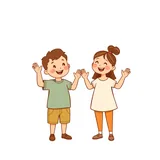 |
| 안녕히 L1-03 | annyeonghi | peacefully, well (in farewells) 선생님, 안녕히 가세요. 내일 학교에서 만나요 Goodbye, teacher. See you at school tomorrow. | 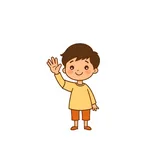 |
| 들다² | deulda | to hold, to carry (in one's hand) · 가방을 들다 무거운 가방을 들고 계단을 올라가요 들다 → 들고 I carry a heavy bag up the stairs. | 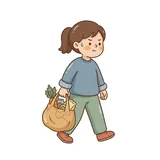 |
| 타다² | tada | to burn (be burned by fire) · 불에 타다, 고기가 타다 종이가 불에 다 탔어요 타다 → 탔어요 The paper burned up completely in the fire. |  |
| 꼭¹ L1-21 | kkok | for sure, without fail · 꼭 오세요 내일 생일 파티를 해요. 꼭 오세요 I'm having a birthday party tomorrow. Be sure to come. | |
| 별로 L1-14 | byeollo | not really (negatives only) 국이 별로 안 짜요. 소금을 넣으세요 The soup isn't very salty. Add some salt. | |
| 아주 L1-19 | aju | very 동생에게 가방을 줬어요. 아주 좋아해요 I gave my younger sibling a bag. They really like it. | |
| 아직 L1-14 | ajik | yet; still 학교에 가고 싶어요. 아직 방학이에요 I want to go to school. It's still vacation. | |
| 자주 L1-21 | jaju | often 집 근처에 공원이 있어요. 자주 산책해요 There's a park near my house. I often take walks. | |
| 전혀 L1-14 | jeonhyeo | not at all (negatives only) 저는 매운 음식을 못 먹어요. 김치는 전혀 안 먹어요 I can't eat spicy food. I don't eat kimchi at all. | |
| 만¹ L1-07 | man | only, just (particle) · 명사 + 만 · 물만 배가 아파요. 오늘은 물만 마셔요 My stomach hurts. I'm only drinking water today. | |
| 뭐 L1-05 | mwo | what (spoken form of 무엇) 가방이 무거워요. 가방에 뭐가 있어요? The bag is heavy. What's in it? | |
| 아니다 L1-03 | anida | to not be 이것은 제 것이 아니에요 아니다 → 아니에요 This isn't mine. | |
| 어디 L1-12 | eodi | where 지갑이 없어요. 지갑이 어디에 있어요? I can't find my wallet. Where is it? | |
| 저¹ L1-04 | jeo | I, me (humble) 저는 학생이에요 I am a student. | |
| 하다 L1-06 | hada | to do 저는 저녁에 집에서 숙제를 해요 하다 → 해요 I do my homework at home in the evening. | |
| 이거 L1-05 | igeo | this (thing near me) 손에 사과가 있어요. 이거 같이 먹어요 I have an apple in my hand. Let's eat this together. | |
| 그거 L1-05 | geugeo | that (thing near you) 민수 씨, 손에 뭐가 있어요? 그거 저한테 주세요 Minsu, what's in your hand? Please give that to me. | |
| 저거 L1-05 | jeogeo | that over there (far from both) 저기 하늘을 보세요. 저거 비행기예요 Look at the sky over there. That's an airplane. | |
| 언젠가 L1-21 | eonjenga | someday 지금은 미국에 살아요. 언젠가 한국에서 살고 싶어요 I live in the US now. Someday I want to live in Korea. | |
| 기억하다 | gieokada | to remember 이름을 기억해요 기억하다 → 기억해요 I remember the name. | |
| 바꾸다 | bakkuda | to change, to exchange 돈을 바꿔요 바꾸다 → 바꿔요 I exchange money. | |
| 가깝다 | gakkapda | to be near, to be close 학교가 집에서 가까워요 가깝다 → 가까워요 The school is close to my house. | |
| 늦다 | neutda | to be late 오늘 많이 늦었어요 늦다 → 늦었어요 I'm very late today. | |
| 새롭다 | saeropda | to be new, to feel fresh 새로운 학교생활이 즐거워요 새롭다 → 새로운 My new school life is fun. | |
| 쉽다 | swipda | to be easy 한국어가 쉬워요 쉽다 → 쉬워요 Korean is easy. | |
| 있다 L1-12 | itda | to exist, to have 집에 고양이가 있어요 있다 → 있어요 I have a cat at home. | |
| 가끔 | gakkeum | sometimes, occasionally 주말에는 시간이 있어요. 가끔 영화를 봐요 I have time on weekends. I sometimes watch movies. | |
| 가장¹ | gajang | most, the most · 가장 좋다 저는 과일을 좋아해요. 사과가 가장 맛있어요 I like fruit. Apples are the most delicious. | |
| 거의 | geoui | almost, nearly 밥을 거의 다 먹었어요. 정말 배불러요 I ate almost all of the rice. I'm really full. | |
| 계속 | gyesok | continuously, keep on 아침에 눈이 왔어요. 지금도 계속 와요 It snowed this morning. It's still snowing now. | |
| 그냥 | geunyang | just, as it is 오늘은 약속이 없어요. 그냥 집에 있어요 I have no plans today. I'm just staying home. | |
| 나중에 | najunge | later 지금은 수업 시간이에요. 나중에 전화하세요 It's class time now. Call me later. | |
| 날마다 | nalmada | every day 저는 건강해요. 날마다 공원에서 운동해요 I'm healthy. I exercise in the park every day. | |
| 너무 | neomu | too, excessively 이 가방은 너무 무거워요. 어깨가 아파요 This bag is too heavy. My shoulder hurts. | |
| 다 | da | all, completely 우유를 다 마셨어요. 병에 우유가 없어요 I drank all the milk. There's no milk in the bottle. | |
| 다시 | dasi | again 발음이 어려워요. 다시 연습해요 The pronunciation is hard. I'll practice again. | |
| 더 L1-18 | deo | more 주스가 맛있어요. 한 잔 더 마시고 싶어요 The juice is good. I want to drink one more glass. | |
| 또 | tto | again, also 어제 도서관에 갔어요. 오늘 또 갔어요 I went to the library yesterday. I went again today. | |
| 매우 | maeu | very 방에 에어컨이 없어요. 여름에는 매우 더워요 My room has no air conditioner. It's very hot in summer. | |
| 먼저 | meonjeo | first, ahead 밥을 먹고 싶어요? 먼저 손을 씻으세요 Do you want to eat? Wash your hands first. | |
| 모두 | modu | all, everything 학생이 열 명이에요. 모두 교실에 있어요 There are ten students. They're all in the classroom. | |
| 못¹ L1-14 | mot | cannot, unable to · 못 가다 지갑이 집에 있어요. 지금은 물건을 못 사요 My wallet is at home. I can't buy anything right now. | |
| 미리 | miri | in advance, beforehand 토요일에 여행을 가요. 표를 미리 샀어요 I'm going on a trip on Saturday. I bought the tickets in advance. | |
| 바로 | baro | right away, immediately 수업이 끝났어요. 바로 집에 갔어요 Class ended. I went straight home. | |
| 벌써 | beolsseo | already 약속은 세 시예요. 친구가 벌써 왔어요 We're meeting at three. My friend is already here. | |
| 보통 | botong | usually, normally 저는 회사원이에요. 보통 여섯 시에 퇴근해요 I'm an office worker. I usually leave work at six. | |
| 서로 | seoro | each other, mutually 한국어를 함께 공부해요. 서로 질문해요 We study Korean together. We ask each other questions. | |
| 아마 | ama | probably, perhaps 지민 씨가 안 와요. 아마 집에 있어요 Jimin isn't coming. She's probably at home. | |
| 언제나 | eonjena | always 친구는 언제나 친절해요. 오늘도 저를 도와줬어요 My friend is always kind. She helped me again today. | |
| 오래 | orae | long, for a long time 친구하고 카페에 갔어요. 오래 이야기했어요 I went to a café with a friend. We talked for a long time. | |
| 요즘 | yojeum | these days, lately 요즘 저는 학교에서 한국어를 배워요 These days I'm learning Korean at school. | |
| 이제 | ije | now, from now on 점심을 다 먹었어요. 이제 학교에 가요 I finished lunch. Now I'm going to school. | |
| 잘 | jal | well 지민 씨는 요리사예요. 음식을 잘 만들어요 Jimin is a chef. She cooks well. | |
| 잠깐 | jamkkan | for a moment, briefly 다리가 아파요. 의자에 잠깐 앉아요 My legs hurt. I'll sit on the chair for a moment. | |
| 잠시 | jamsi | for a while, for a moment 계속 공부했어요. 잠시 쉬고 싶어요 I've been studying nonstop. I want to rest for a bit. | |
| 제일 | jeil | most, best 저는 운동을 좋아해요. 수영을 제일 좋아해요 I like sports. I like swimming the most. | |
| 조금 | jogeum | a little, a bit 점심을 많이 먹었어요. 저녁은 조금 먹어요 I ate a big lunch. I'll eat a little for dinner. | |
| 직접 | jikjeop | directly, in person 어머니 생일이에요. 제가 직접 케이크를 만들어요 It's my mother's birthday. I'm making a cake myself. | |
| 참 | cham | really, truly 친구가 그림을 그렸어요. 색이 참 예뻐요 My friend drew a picture. The colors are really pretty. | |
| 특히 | teuki | especially 동생은 과일을 좋아해요. 특히 수박을 자주 먹어요 My younger sibling likes fruit. He eats watermelon especially often. | |
| 그¹ L1-05 | geu | he, that person · 그는, 그가, 그의 민수는 학생이에요. 그는 서울에 살아요 Minsu is a student. He lives in Seoul. | |
| 그것 L1-05 | geugeot | that, it 가방에 우산이 있어요. 그것을 가져가세요 There's an umbrella in the bag. Take it with you. | |
| 그녀 | geunyeo | she 그녀는 학생이에요 She is a student. | |
| 그래도 | geuraedo | even so, still 숙제가 많아요. 그래도 기분이 좋아요 I have a lot of homework. Even so, I'm in a good mood. | |
| 그래서 | geuraeseo | so, therefore 오늘은 머리가 아파요. 그래서 집에서 쉬어요 I have a headache today. So I'm resting at home. | |
| 그러나 | geureona | but, however 가방은 작아요. 그러나 책은 많이 들어가요 The bag is small. However, it holds a lot of books. | |
| 그러니까 | geureonikka | so, that is why 밖에 비가 와요. 그러니까 우산을 가져가세요 It's raining outside. So take an umbrella. | |
| 그러면 | geureomyeon | then, in that case 지금 배고파요? 그러면 같이 밥을 먹어요 Are you hungry now? Then let's eat together. | |
| 그런 | geureon | such, that kind of 민수는 매일 운동해요. 저는 그런 친구가 좋아요 Minsu exercises every day. I like friends like that. | |
| 그런데 | geureonde | but, by the way 오늘은 일요일이에요. 그런데 저는 회사에 가요 Today is Sunday. But I'm going to the office. | |
| 그럼¹ | geureom | then, in that case 커피가 없어요? 그럼 차를 마셔요 There's no coffee? Then I'll drink tea. | |
| 그리고 | geurigo | and, and then 시장에 갔어요. 그리고 사과를 샀어요 I went to the market. And I bought apples. | |
| 까지 | kkaji | until, up to 지금 다섯 시예요. 여섯 시까지 기다려요 It's five o'clock now. I'll wait until six. | |
| 께 | kke | to (honorific) 선생님 생일이에요. 선생님께 꽃을 드려요 It's my teacher's birthday. I give the teacher flowers. | |
| 너 | neo | you (casual) 민수가 "지민아, 너는 뭐 먹어?"라고 물었어요 Minsu asked, "Jimin, what are you eating?" | |
| 누구 | nugu | who 문 앞에 사람이 있어요. 누구예요? There's someone at the door. Who is it? | |
| 도¹ | do | also, too (particle) 민수는 한국어를 배워요. 저도 한국어를 배워요 Minsu is learning Korean. I'm learning Korean too. | |
| 또는 | ttoneun | or 커피 또는 차를 마셔요 I drink coffee or tea. | |
| 랑/이랑 | rang/irang | and, with (casual) 동생이 공원에 가요. 저도 동생이랑 같이 가요 My younger sibling is going to the park. I'm going with them too. | |
| 마다 | mada | every, each 학교가 집에서 가까워요. 아침마다 학교까지 걸어요 School is close to home. I walk to school every morning. | |
| 무슨 | museun | what, what kind of 친구 생일이에요. 무슨 선물이 좋아요? It's my friend's birthday. What kind of present would be good? | |
| 무엇 L1-05 | mueot | what 식당에 왔어요. 무엇을 먹고 싶어요? We're at the restaurant. What do you want to eat? | |
| 부터 | buteo | from, starting from 내일 시험이 있어요. 오늘은 아침부터 공부해요 I have an exam tomorrow. I've been studying since this morning. | |
| 어느 | eoneu | which 책이 많아요. 어느 책을 읽고 싶어요? There are a lot of books. Which book do you want to read? | |
| 어떤 | eotteon | what kind of, some 음악을 자주 들어요. 어떤 음악을 좋아해요? You often listen to music. What kind of music do you like? | |
| 어떻게 | eotteoke | how 도서관에 가고 싶어요. 여기서 어떻게 가요? I want to go to the library. How do I get there from here? | |
| 얼마나 | eolmana | how, how much 서울에 가고 싶어요. 여기서 얼마나 멀어요? I want to go to Seoul. How far is it from here? | |
| 에 | e | at, in, to (particle) 오늘 학교에 가요. 한국어 수업이 있어요 I'm going to school today. I have Korean class. | |
| 에게 L1-16 | ege | to (a person) 친구가 졸업했어요. 친구에게 선물을 줬어요 My friend graduated. I gave my friend a present. | |
| 에서 | eseo | at, in, from (place) 오늘은 날씨가 좋아요. 공원에서 자전거를 타요 The weather is nice today. I'm riding my bike in the park. | |
| 와/과 | wa/gwa | and, with 토요일에는 시간이 있어요. 친구와 영화를 봐요 I have time on Saturday. I'm watching a movie with a friend. | |
| 왜 | wae | why 지민 씨가 울어요. 왜 울어요? Jimin is crying. Why are you crying? | |
| 우리 | uri | we, us, our 우리 학교에 가요 We're going to our school. | |
| 으로/로 | euro/ro | to, with, by 공항이 멀어요. 저는 공항에 버스로 가요 The airport is far. I go to the airport by bus. | |
| 은/는 | eun/neun | topic particle 민수는 학생이에요. 지민은 회사원이에요 Minsu is a student. Jimin is an office worker. | |
| 을/를 | eul/reul | object particle 동생이 책을 읽어요. 저는 음악을 들어요 My younger sibling is reading a book. I'm listening to music. | |
| 의¹ | ui | of, 's (possessive particle) · 친구의 가방 가방이 두 개 있어요. 이것은 친구의 가방이에요 There are two bags. This is my friend's bag. | |
| 이/가 | i/ga | subject particle 방에 고양이가 있어요. 고양이가 아주 작아요 There's a cat in the room. The cat is very small. | |
| 이것 L1-05 | igeot | this 책상에 물건이 있어요. 이것은 제 지우개예요 There are things on the desk. This is my eraser. | |
| 이다 L1-04 | ida | to be (copula) 저는 요리사예요. 친구는 회사원이에요 이다 → 회사원이에요 I'm a chef. My friend is an office worker. | |
| 이런 | ireon | this kind of, such 옷이 아주 예뻐요. 이런 옷을 사고 싶어요 These clothes are very pretty. I want to buy clothes like these. | |
| 저것 L1-05 | jeogeot | that (over there) 저기 건물이 있어요. 저것은 우리 학교예요 There's a building over there. That's our school. | |
| 저런¹ | jeoreon | that kind of · 저런 사람 · 저런 가방 저기 가방이 있어요. 저런 가방을 사고 싶어요 There's a bag over there. I want to buy a bag like that. | |
| 저희 | jeohui | we (humble) 저희 가족이에요 This is our family. | |
| 처럼 | cheoreom | like, as 형은 키가 커요. 저도 형처럼 키가 커요 My older brother is tall. I'm tall like him too. | |
| 하고 | hago | and, with 친구를 만났어요. 친구하고 카페에 갔어요 I met a friend. I went to a café with my friend. | |
| 하지만 | hajiman | but, however 김치찌개가 매워요. 하지만 아주 맛있어요 The kimchi stew is spicy. But it's very delicious. | |
| 한테 L1-16 | hante | to (a person, casual) 누나가 부산에 살아요. 누나한테 편지를 보내요 My older sister lives in Busan. I send her a letter. | |
| 한테서 | hanteseo | from (a person) 오늘은 제 생일이에요. 친구한테서 선물을 받았어요 Today is my birthday. I got a present from my friend. | |
| 그래 | geurae | yeah, okay 지민이가 같이 점심 먹자고 해서 "그래, 좋아"라고 했어요 Jimin suggested having lunch together, so I said, "Yeah, sounds good." | |
| 그렇지만 | geureochiman | but, however 방이 작아요. 그렇지만 창문은 커요 The room is small. But the window is big. | |
| 아 | a | ah, oh 가방이 없어요. 아, 의자 밑에 있어요 My bag is gone. Oh, it's under the chair. | |
| 와 | wa | wow 동생이 그림을 그렸어요. 와, 정말 멋있어요 My younger sibling drew a picture. Wow, it's really cool. | |
| 음¹ | eum | um, hmm · 음, 글쎄요 점심에 뭐 먹어요? 음, 비빔밥이 좋아요 What are we eating for lunch? Hmm, bibimbap sounds good. | |
| 이따가 | ittaga | a little later 숙제가 아직 많아요. 이따가 같이 놀아요 I still have a lot of homework. Let's hang out later. | |
| 좀 | jom | a bit, somewhat 국이 짜요. 물을 좀 넣어요 The soup is salty. Add some water. | |
| 주로 | juro | mainly, mostly 저는 운동을 좋아해요. 주로 공원에서 걸어요 I like exercise. I mainly walk in the park. | |
| 그럼² | geureom | of course, sure (as a reply) · 그럼요! 내일 파티에 올 거예요? 그럼요, 꼭 갈게요 Are you coming to the party tomorrow? Of course, I'll definitely be there. | |
| 보다² | boda | more, further (formal; before an adjective/adverb) · 보다 자세한, 보다 많은 보다 자세한 내용은 홈페이지에서 확인하세요 For more details, please check the website. | |
| 안² | an | not (before a verb or adjective) · 안 가요, 안 먹어요 오늘은 날씨가 안 추워요 The weather isn't cold today. | |
| 저³ | jeo | um, excuse me (to get attention or when hesitating) · 저, … 저, 혹시 화장실이 어디에 있어요? Um, excuse me, where's the restroom? |
FAQ
- How many TOPIK 1 Korean basics & grammar words are on this list?
- This page lists 227 beginner-level Korean basics & grammar vocabulary words (TOPIK 1), each with romanization and an English meaning — free, by a certified Korean teacher.
- Is this basics & grammar word list free to use?
- It is free with no sign-up. Browse and search the full list online, switch TOPIK levels above, or open the matching lessons to study the words in context.
A
Written by Alvin Lim Certified Korean Language Teacher (Level 2)