Upper Intermediate Korean Basics & Grammar Vocabulary List (TOPIK 5)
A complete list of 297 upper intermediate-level Korean basics & grammar vocabulary words (TOPIK 5). Every word includes romanization and its English meaning, curated by a certified Korean language teacher. Filter to search, or switch levels below.
| Korean | Romanization | Meaning | Picture |
|---|---|---|---|
| 기호¹ | giho | symbol, sign, mark · 발음 기호 · 지도 기호 지도에서 이 기호가 뭘 뜻하는지 알아요 I know what this symbol means on the map. |  |
| 문구¹ | mungu | stationery · 문구를 사다 · 문구점 새 학기라서 문구를 많이 샀어요 It's a new semester, so I bought a lot of stationery. |  |
| 문어¹ | muneo | octopus · 문어를 삶다 문어를 끓는 물에 넣고 익혀요 Put the octopus in boiling water and cook it. |  |
| 반쪽 | banjjok | half, one half 사과 반쪽을 친구에게 줬어요 I gave half an apple to my friend. | 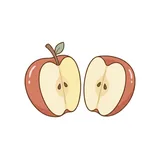 |
| 산더미 | sandeomi | huge pile, mountain of (figurative) 책상 위에 서류가 산더미처럼 쌓여 있어요 There's a mountain of paperwork piled up on the desk. |  |
| 실² | sil | loss, disadvantage · 득보다 실이 많다 이번 결정은 득보다 실이 많아요 This decision does more harm than good. |  |
| -가³ | -ga | (suffix) street, district · 주택가, 상가 우리 집은 조용한 주택가에 있어요 My house is in a quiet residential area. | 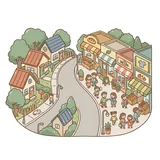 |
| -로² | -ro | (suffix) road, path, -way · 활주로, 등산로 비행기가 활주로를 천천히 달리기 시작했어요 The plane slowly began moving down the runway. | 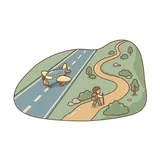 |
| -지³ | -ji | (suffix) magazine, periodical · 주간지, 월간지 저는 매주 패션 주간지를 사서 봐요 I buy and read a weekly fashion magazine every week. | 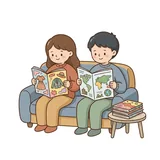 |
| -화² | -hwa | (suffix) shoes · 운동화, 등산화 등산할 때는 등산화를 꼭 신으세요 Be sure to wear hiking boots when you go hiking. | 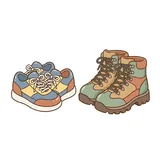 |
| 난² | nan | column, box, section (on a page or form) · 이 난에 적다 · 광고를 싣는 난 신청서의 이 난에는 연락처를 적어 주세요 Please write your contact number in this box on the application form. | 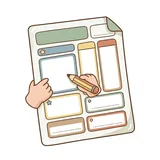 |
| 본론 L5-13 | bollon | main point, main body of argument 이제 서론은 끝났으니 본론으로 들어갈게요 Now that the introduction is over, I'll move on to the main point. | |
| 서론 L5-13 | seoron | introduction, preface, opening remarks 논문의 서론에서 연구 목적을 설명했어요 I explained the purpose of the research in the paper's introduction. | |
| 설사 L5-16 | seolsa | even if, even though (concessive adverb) 설사 비가 와도 행사는 그대로 진행할 거예요 Even if it rains, the event will go ahead as planned. | |
| 완곡하다 L5-21 | wangokada | to be euphemistic, to be roundabout 거절할 때는 완곡하게 표현하는 게 좋아요 완곡하다 → 완곡하게 It is best to phrase things tactfully when turning someone down. | |
| 자네 L5-04 | jane | you (informal, to a younger/lower person) 할아버지는 오랜 친구를 "자네"라고 부르세요 My grandfather addresses his longtime friend as "you" in a familiar way. | |
| 작심삼일 L5-20 | jaksimsamil | three-day resolution (giving up too quickly) 매번 작심삼일로 끝나서 운동을 계속 못 해요 I give up after just a few days every time, so I cannot keep exercising. | |
| 존댓말 L5-10 | jondaenmal | honorific speech, formal polite language 처음 만나는 어른에게는 존댓말을 써야 해요 You should use polite speech with an older person you're meeting for the first time. | |
| -가¹ | -ga | -ist (person suffix) · 음악가 민수 씨는 음악가로서 유명해요 Minsu is famous as a musician. | |
| -가² | -ga | -price, -value (suffix) · 판매가, 최고가 이 제품의 판매가를 확인했어요 I checked the selling price of this product. | |
| 가급적 | gageupjeok | as much as possible, if possible 가급적 빨리 연락해 주세요 Please contact me as soon as possible. | |
| 가지런히 | gajireonhi | neatly, in order, evenly 책상 위에 책들을 가지런히 정리했어요 I arranged the books neatly on the desk. | |
| 간간이 | gangani | occasionally, now and then 간간이 고향 친구에게 연락해요 I occasionally get in touch with a friend from my hometown. | |
| 간절히 | ganjeolhi | earnestly, desperately, fervently 간절히 합격하기를 바랐어요 I really hoped I would pass. | |
| 강력히 | gangnyeoki | strongly, forcefully 시민들이 정책 변경을 강력히 요구했어요 Residents strongly demanded a change in policy. | |
| 갖은 | gajeun | all kinds of, every sort of 갖은 노력을 다 기울였어요 I made every possible effort. | |
| 개국 | gaeguk | (counter for) countries 이 프로그램은 오십 개국에 방영됐어요 This program aired in fifty countries. | |
| 건 | geon | thing, matter, affair 처리해야 할 건이 아직 많이 남아 있어요 There are still many matters left to deal with. | |
| 겨를 | gyeoreul | time, leisure, spare moment 밥 먹을 겨를도 없이 바빴어요 I was so busy that I didn't even have time to eat. | |
| 격 | gyeok | rank, status, grade 행사의 격에 맞는 옷을 골랐어요 I chose clothes appropriate for the occasion's level of formality. | |
| 겸 | gyeom | and, as well as, doing double duty as 그 카페는 식당 겸 서점이에요 That cafe doubles as a restaurant and a bookstore. | |
| -경 | -gyeong | -kyung, around (time suffix) 오후 세 시경에 도착할 예정이에요 I plan to arrive around three in the afternoon. | |
| -계¹ | -gye | (suffix) world, community, field · 교육계 · 연예계 수진 씨는 연예계에서 오래 활동해 왔어요 Sujin has worked in the entertainment industry for a long time. | |
| 고¹ | go | the late (deceased) · 고 + 이름 · 고 김수환 전시회에서 고 이수진 작가의 작품을 봤어요 I saw works by the late artist Lee Sujin at an exhibition. | |
| 고- | go- | (prefix) high- 고속도로에서 사고가 나서 길이 막혔어요 Traffic backed up because of an accident on the highway. | |
| 고작 | gojak | at most, only, merely 하루 종일 일했는데 고작 만 원밖에 못 벌었어요 I worked all day but only made 10,000 won. | |
| 과² | gwa | medical department, specialty · 내과, 외과, 어느 과 내과에서 진료를 받았어요 I saw a doctor in the internal medicine department. | |
| -관¹ | -gwan | (suffix) building, hall, institution · 체육관 학교 근처에 체육관이 생겼어요 A gym opened near the school. | |
| -국² | -guk | (suffix) country, nation · 가입국 · 선진국 우리나라가 복지 선진국이 되면 좋겠어요 I hope our country becomes a leader in social welfare. | |
| -국¹ | -guk | (suffix) bureau, agency · 사무국 · 우체국 우체국에 가서 소포를 보냈어요 I went to the post office and sent a package. | |
| 군³ | gun | Mr. (after a name), you (to a junior male) · 김 군 입학식에서 김 군이 대표로 인사말을 했어요 Kim gave a greeting on behalf of the students at the entrance ceremony. | |
| 그때그때 | geuttaegeuttae | each time, depending on the moment 상황에 따라 그때그때 다르게 대응하는 게 좋아요 It is best to adjust your response to the situation each time. | |
| 그래야 | geuraeya | (contraction) if that is so, only then 그래야 일이 잘 풀릴 거예요 Only then will things work out well. | |
| 그리¹ | geuri | (not) so, (not) that much; like that · 그리 재미있지 않다 그 영화는 그리 재미있지 않았어요 That movie was not very interesting. | |
| 그리하여 | geurihayeo | therefore, and so, thus 열심히 공부했어요. 그리하여 시험에 합격했어요 I studied hard. As a result, I passed the exam. | |
| 극- | geuk- | (prefix) extreme, ultra- 이 동아리에서는 극소수의 회원만 그 규칙을 알아요 Only a very small number of members of this club know that rule. | |
| 금세 | geumse | right away, very soon, in no time 아이가 숙제를 금세 끝냈어요 The child finished the homework in no time. | |
| -기³ | -gi | (suffix) period, phase, stage · 성장기, 사춘기 아이들은 성장기에 충분히 자야 해요 Children need plenty of sleep during their growing years. | |
| 까딱 | kkattak | slightly, by a hair (nearly, narrowly) 까딱 잘못하면 사고가 날 수 있어요 One small mistake could cause an accident. | |
| 깡충깡충 | kkangchungkkangchung | hopping, bouncing (adverb) 토끼가 깡충깡충 뛰어다녔어요 The rabbit hopped around. | |
| -께 | -kke | (suffix) around, about (time) 이달 말께 이사할 예정이에요 I am planning to move around the end of this month. | |
| 꼬박 | kkobak | steadily, without fail, all of 꼬박 사흘 동안 잠을 못 잤어요 I couldn't sleep for three whole days. | |
| 꼬박꼬박 | kkobakkkobak | steadily, consistently, without missing 민수 씨는 꼬박꼬박 저축을 하고 있어요 Minsu saves money regularly. | |
| 꼭꼭 | kkokkkok | tightly, firmly pressed 뚜껑을 꼭꼭 눌러서 닫아 두세요 Press the lid down firmly and keep it closed. | |
| -꼴 | -kkol | (suffix) per, each, at a rate of 교통비는 하루에 오천 원꼴로 들어요 Transportation costs about 5,000 won a day. | |
| 꼼짝없이 | kkomjjageopsi | without any escape, helplessly 폭설에 갇혀서 꼼짝없이 집에 있었어요 I was snowed in and had no choice but to stay home. | |
| 꾸벅꾸벅 | kkubeokkkubeok | nodding repeatedly (drowsily) 버스에서 꾸벅꾸벅 졸고 있었어요 I was nodding off on the bus. | |
| -꾼 | -kkun | (suffix) one who does, -er, -ist 민수 씨는 노래를 정말 좋아하는 노래꾼이에요 Minsu is a singer who truly loves singing. | |
| -끼리 | -kkiri | (suffix) among ourselves, between us 친구끼리 모여서 함께 밥을 먹었어요 We got together with friends and shared a meal. | |
| 나날이 | nanari | day by day, daily 실력이 나날이 늘고 있어요 My skills are improving day by day. | |
| 나열 | nayeol | enumeration, listing 보고서에서 문제점을 나열해 주세요 Please list the problems in the report. | |
| -난 | -nan | (suffix) shortage, difficulty 요즘 주택난이 심각한 사회 문제예요 The housing shortage is a serious social problem these days. | |
| 날로 | nallo | increasingly, more and more, day by day 환경 문제가 날로 심각해지고 있어요 Environmental problems are becoming more serious by the day. | |
| 남몰래 | nammollae | secretly, without others knowing 민수 씨는 남몰래 매일 봉사 활동을 해 왔어요 Minsu has been volunteering every day without anyone knowing. | |
| 남짓 | namjit | approximately, a little over 열 명 남짓 모였어요 A little over ten people gathered. | |
| 낱말 | nanmal | word, vocabulary item 모르는 낱말은 사전에서 찾아봐요 I look up unfamiliar words in a dictionary. | |
| 넉 | neok | four (native Korean determiner) 시장에서 쌀을 넉 되 사 왔어요 I bought four measures of rice at the market. | |
| -네¹ | -ne | suffix indicating surprise or exclamation · 예쁘네요 꽃이 정말 예쁘네요 The flowers are really pretty! | |
| -녀 | -nyeo | suffix meaning woman or female person 소설의 주인공은 혼자 사는 미혼녀예요 The main character of the novel is an unmarried woman who lives alone. | |
| 다- | da- | prefix meaning many or multiple 이 방은 회의와 수업에 쓰는 다목적 공간이에요 This room is a multipurpose space used for meetings and classes. | |
| 다름없이 | dareumeopsi | just the same as, no different from 지민 씨는 평소와 다름없이 아침 일찍 출근해요 Jimin goes to work early in the morning, just as usual. | |
| -단 | -dan | suffix forming a group or team noun 그 행사에는 봉사단이 함께 참여했어요 A volunteer group also took part in that event. | |
| 단 | dan | only, just, but 참가는 자유이지만 단 한 가지 규칙이 있어요 Anyone is free to participate, but there is just one rule. | |
| 단락 | dallak | paragraph, section 글을 쓸 때 단락을 잘 나눠야 해요 When writing, you need to divide the text into paragraphs appropriately. | |
| 대략적 | daeryakjeok | approximate, rough 대략적인 계획을 세웠어요 I made a rough plan. | |
| 대명사 | daemyeongsa | pronoun 한국어에서 대명사는 자주 생략돼요 Pronouns are often omitted in Korean. | |
| 대체¹ | daeche | substitution, replacement · 대체 소재, 대체하다 이 성분을 다른 것으로 대체할 수 있어요 You can replace this ingredient with something else. | |
| 더없이 | deoeopsi | extremely, incomparably 오늘은 더없이 행복한 날이에요 Today is an incredibly happy day. | |
| 덜하다 | deolhada | to be less, to be lesser 약을 먹었더니 통증이 좀 덜해요 덜하다 → 덜해요 The pain has eased a little since I took the medicine. | |
| 동동 | dongdong | stamping one's feet anxiously 버스를 기다리며 발을 동동 굴렀어요 I stamped my feet impatiently while waiting for the bus. | |
| 동사 | dongsa | verb 동사는 동작을 나타내는 품사예요 A verb is a part of speech that expresses an action. | |
| 듬뿍 | deumppuk | plentifully, heapingly 비빔밥에 참기름을 듬뿍 넣어서 비볐어요 I added plenty of sesame oil to the mixed rice and stirred it all together. | |
| 따위 | ttawi | et cetera, and such, the like 커피, 케이크 따위를 카페에서 즐겼어요 I enjoyed coffee, cake, and the like at a cafe. | |
| 딱¹ | ttak | exactly, precisely, just right · 딱 맞다 · 딱 알맞다 이 옷이 딱 맞아요 These clothes fit perfectly. | |
| 똑 | ttok | exactly, precisely, identically 두 사람은 얼굴이 똑 닮았어요 The two look exactly alike. | |
| 똑똑 | ttokttok | knock-knock (sound of tapping) 문을 똑똑 두드리고 들어왔어요 I knocked on the door before coming in. | |
| 뚜렷이 | tturyeosi | clearly, distinctly 새로운 정책의 효과가 뚜렷이 나타나고 있어요 The effects of the new policy are becoming clear. | |
| 뚝 | ttuk | abruptly, suddenly stopping 음악 소리가 뚝 멈췄어요 The music stopped abruptly. | |
| 뚝뚝 | ttukttuk | drip drip, drop by drop 빗방울이 창문에 뚝뚝 떨어졌어요 Raindrops fell onto the window, drop by drop. | |
| 뜸하다 | tteumhada | to be infrequent, to be sparse 요즘 연락이 뜸해서 걱정됐어요 뜸하다 → 뜸해서 I was worried because I hadn't heard from you much lately. | |
| -로¹ | -ro | particle indicating direction or means · 서울로 가다 서울로 가는 버스를 탔어요 I took a bus bound for Seoul. | |
| -론 | -ron | suffix meaning theory or doctrine 그 책은 진화론을 쉽게 설명해 줘요 That book explains the theory of evolution in simple terms. | |
| -류 | -ryu | suffix meaning type or category 어패류는 신선할 때 바로 요리하는 게 좋아요 It's best to cook fish and shellfish right away while they're fresh. | |
| 마저 | majeo | the rest, to completion (adverb); even, also (particle) 남은 일을 마저 끝내고 집에 갈 거예요 I'll finish the rest of my work and then go home. | |
| 말끝 | malkkeut | end of a sentence, word ending 말끝을 흐리면 의미가 불분명해요 If you trail off at the end of a sentence, your meaning becomes unclear. | |
| 매¹ | mae | every, each · 매 학기 매 학기 시험이 두 번 있어요 There are two exams each semester. | |
| 매사 | maesa | every matter, all things 지민 씨는 매사에 최선을 다하는 사람이에요 Jimin does their best in everything. | |
| 머지않다 | meojianta | to be not far off, to be imminent 졸업식 날이 머지않았어요 머지않다 → 머지않았어요 Graduation day is not far off. | |
| 멍하니 | meonghani | blankly, vacantly, in a daze 충격을 받아서 멍하니 창밖을 바라봤어요 I was so shocked that I stared blankly out the window. | |
| 명백히 | myeongbaeki | obviously, clearly 그것은 명백히 잘못된 정보예요 That is clearly incorrect information. | |
| 명사¹ | myeongsa | noun · 명사와 동사, 명사에 조사를 붙이다 한국어에서 명사는 격변화를 하지 않아요 Korean nouns do not change form for grammatical case. | |
| 명확히 | myeonghwaki | clearly, precisely 의사가 병명을 명확히 설명해 줬어요 The doctor clearly explained the diagnosis. | |
| 모국어 | mogugeo | mother tongue, native language 모국어가 한국어인 사람은 발음이 달라요 People whose native language is Korean pronounce things differently. | |
| 모음¹ | moeum | vowel · 모음과 자음 오늘 수업에서는 한국어 모음을 연습했어요 We practiced Korean vowels in class today. | |
| 모조리 | mojori | all, entirely, without exception 냉장고 안에 있던 음식을 모조리 먹어 버렸어요 I ate all the food that was in the refrigerator. | |
| 목적어 | mokjeogeo | object (grammar), direct object 이 문장에서 목적어가 무엇인지 찾아보세요 Find the object in this sentence. | |
| 무 | mu | nothingness, absence; draw, tie (in sports) 우리 팀은 이번 대회에서 2승 1무를 기록했어요 Our team recorded two wins and one tie in this tournament. | |
| 무심코 | musimko | unconsciously, inadvertently 무심코 한 말이 친구에게 상처를 입혔어요 Something I said without thinking hurt my friend's feelings. | |
| 문단¹ | mundan | paragraph · 문단을 나누다 각 문단은 하나의 주제를 다뤄야 해요 Each paragraph should address one topic. | |
| 문항 | munhang | question, test item 시험에서 틀린 문항을 다시 풀어봤어요 I tried solving the questions I got wrong on the test again. | |
| 문형 | munhyeong | sentence pattern 이 문형은 자주 시험에 나와요 This sentence pattern often appears on tests. | |
| 반반 | banban | fifty-fifty, half and half 비용은 반반씩 나눠서 내기로 했어요 We agreed to split the cost equally. | |
| 밤낮없이 | bamnadeopsi | day and night, without rest 지민 씨는 밤낮없이 연구에 매달렸어요 Jimin devoted himself to research day and night. | |
| 번번이 | beonbeoni | every time, repeatedly, time after time 번번이 같은 실수를 반복하면 안 돼요 You shouldn't keep making the same mistake every time. | |
| -법 | -beop | suffix meaning method or way 요리법을 인터넷에서 찾아봤어요 I looked up a recipe online. | |
| 변함없다 | byeonhameopda | to be unchanged, to be consistent 민수 씨의 우정은 십 년이 지나도 변함없어요 변함없다 → 변함없어요 Minsu's friendship remains unchanged even after ten years. | |
| 변함없이 | byeonhameopsi | unchangingly, consistently 그 친구는 변함없이 친절해요 That friend is as kind as ever. | |
| 별것 | byeolgeot | something special, notable thing 이 식당은 별것 없지만 맛은 좋아요 There's nothing fancy about this restaurant, but the food is good. | |
| 본 | bon | this, the said (determiner) 본 계약서에 서명하기 전에 꼼꼼히 읽어 보세요 Read this contract carefully before signing it. | |
| 본문 | bonmun | main text, body text 본문을 읽기 전에 제목을 먼저 확인하세요 Check the title before reading the main text. | |
| 부-¹ | bu- | prefix meaning deputy or vice · 부사장 그분은 부사장으로 승진해서 회사를 이끌고 있어요 That person was promoted to vice president and is leading the company. | |
| -부 | -bu | suffix meaning department or section 그 회사는 영업부와 기획부로 나뉘어요 That company is divided into a sales department and a planning department. | |
| 부사¹ | busa | adverb · 부사와 동사, 부사가 꾸미다 그 문장에서 부사는 어떤 역할을 해요? What role does the adverb play in that sentence? | |
| 부쩍 | bujjeok | noticeably, markedly, rapidly 날씨가 부쩍 추워져서 두꺼운 옷을 꺼냈어요 It's gotten much colder, so I took out my warm clothes. | |
| -분 | -bun | suffix meaning portion, amount, or component 추가분은 내일 배송할 예정이에요 We plan to ship the additional quantity tomorrow. | |
| 불과하다 | bulgwahada | to be nothing but, to be merely 이건 소문에 불과해요 불과하다 → 불과해요 This is nothing more than a rumor. | |
| 불행히 | bulhaenghi | unfortunately, unhappily 불행히도 경기에서 졌어요 Unfortunately, we lost the game. | |
| 비뚤어지다 | bittureojida | to become warped, to become crooked, to go wrong 오래 두면 나무가 비뚤어져요 비뚤어지다 → 비뚤어져요 Wood warps if you leave it for a long time. | |
| 비유적 | biyujeok | figurative, metaphorical 그 표현은 비유적으로 사용된 것이에요 That expression is used figuratively. | |
| 빈칸 | binkan | blank, empty space 시험지의 빈칸을 모두 채워야 해요 You need to fill in all the blanks on the test paper. | |
| 뻔하다 | ppeonhada | to be obvious, to be predictable 그 사람이 거짓말한 건 뻔해요 뻔하다 → 뻔해요 It's obvious that person lied. | |
| 사실상 | sasilsang | in effect, practically, de facto 사실상 그 계획은 실패한 거예요 That plan was, in effect, a failure. | |
| 사자성어 | sajaseongeo | four-character Korean idiom 사자성어는 한자 네 글자로 이루어진 표현이에요 A four-character idiom is an expression made up of four Chinese characters. | |
| -산 | -san | suffix meaning produced in or made in 이 사과는 국내산이라 신선하고 맛있어요 These apples are grown in this country, so they're fresh and delicious. | |
| 살금살금 | salgeumsalgeum | stealthily, tiptoeing 고양이가 살금살금 다가왔어요 The cat crept up quietly. | |
| 살며시 | salmyeosi | softly, gently, quietly 살며시 문을 열었어요 I opened the door quietly. | |
| 삼삼오오 | samsamoo | in small groups, here and there 학생들이 삼삼오오 모여서 이야기를 나눴어요 The students gathered in small groups and chatted. | |
| -상 | -sang | suffix meaning in terms of, regarding 안전상의 이유로 이 구역에는 출입이 금지되어 있어요 This area is off-limits for safety reasons. | |
| 생- | saeng- | raw, uncooked (prefix) · 생고기, 생채소 이 채소는 익히지 않고 생으로 먹어도 되지만, 생고기는 꼭 익혀 먹어요 You can eat these vegetables raw, but make sure to cook the raw meat before eating it. | |
| 서술 | seosul | narration, description, statement 사건을 자세히 서술해 주세요 Please describe what happened in detail. | |
| 서술어 | seosureo | predicate (grammar) 한국어 문장에서 서술어의 역할이 매우 중요해요 The predicate plays a very important role in Korean sentences. | |
| -석 | -seok | -seat, -seater (suffix) 공연이 시작되기 전에 관람석에 앉았어요 I sat down in the audience seating before the performance began. | |
| 석 | seok | three (native Korean numeral modifier) 석 달 동안 매일 공부했더니 실력이 늘었어요 My skills improved after I studied every day for three months. | |
| 선하다¹ | seonhada | to be good-natured, to look kind · 선한 사람 · 눈빛이 선하다 그분은 눈빛이 선해요 선하다 → 선해요 That person has a kind look in their eyes. | |
| 설득력 | seoldeungnyeok | persuasiveness, power of persuasion 지민 씨의 주장은 설득력이 있어요 Jimin's argument is convincing. | |
| 설명문 | seolmyeongmun | expository text, explanatory writing 설명문은 사실을 객관적으로 전달해요 Expository writing presents facts objectively. | |
| 소개서 | sogaeseo | letter of introduction, introductory document 취업할 때 소개서가 필요해요 You need a letter of introduction when applying for a job. | |
| 소홀히 | soholhi | neglectfully, carelessly 건강을 소홀히 하다가 병이 났어요 I got sick after neglecting my health. | |
| 속속 | soksok | one after another, in succession 신청자들이 속속 줄을 서기 시작했어요 The applicants began lining up one after another. | |
| 속어 | sogeo | slang, colloquial expression 젊은 사람들이 쓰는 속어를 모르겠어요 I don't understand the slang young people use. | |
| 수-¹ | su- | male (prefix for animals) · 수탉 · 수컷 수탉이 아침마다 울어요 The rooster crows every morning. | |
| 수사¹ | susa | (criminal) investigation · 사건 수사 경찰이 사건 수사를 시작했어요 The police began investigating the case. | |
| 슬슬 | seulseul | gradually, slowly, gently 슬슬 출발할 준비를 해야 해요 It's about time to start getting ready to leave. | |
| -식 | -sik | -style, -method (suffix) 한국식 요리를 직접 만들어 봤어요 I tried making Korean-style food myself. | |
| 신속히 | sinsoki | swiftly, rapidly, promptly 사고가 났을 때 신속히 대응해야 해요 You need to respond quickly when an accident occurs. | |
| 신중히 | sinjunghi | carefully, prudently, with deliberation 중요한 결정이니까 신중히 생각해야 해요 It's an important decision, so you need to think carefully. | |
| -실 | -sil | -room, -office (suffix) 회의실 예약은 하루 전에 해야 해요 Meeting rooms must be reserved a day in advance. | |
| 십중팔구 | sipjungpalgu | eight or nine times out of ten, most likely 십중팔구 그 사람이 맞을 거예요 It is most likely that person. | |
| 쏙 | ssok | exactly, snugly, fitting perfectly 열쇠가 자물쇠에 쏙 들어갔어요 The key slid right into the lock. | |
| 쏜살같이 | ssonsalgachi | like an arrow, very fast 학교 종이 울리자 아이들이 쏜살같이 뛰어나왔어요 As soon as the school bell rang, the children dashed out. | |
| 아장아장 | ajangajang | toddling, waddling (of a young child walking) 아기가 아장아장 걷기 시작했어요 The baby has started toddling. | |
| 안성맞춤 | anseongmatchum | perfect fit, tailor-made match 이 드레스가 파티 분위기에 안성맞춤이에요 This dress is perfect for the atmosphere of the party. | |
| -액 | -aek | -amount, -fund (suffix for monetary value) 이번 달 사용 금액을 청구서에서 확인해요 I check this month's spending amount on the bill. | |
| 어간 | eogan | verb stem, word stem 한국어 어간에 어미를 붙여요 In Korean, you attach endings to word stems. | |
| 어미² | eomi | verb ending, grammatical ending · 어미 변화 · 어미가 붙다 이 어미가 붙으면 과거 시제가 돼요 Adding this ending makes it past tense. | |
| 어순 | eosun | word order, sentence order 한국어는 영어와 어순이 달라요 Korean has a different word order from English. | |
| 어원 | eowon | etymology, word origin 이 단어의 어원은 한자예요 This word has its origins in Chinese characters. | |
| 어찌 | eojji | how, why, in what way 어찌 그런 일이 생겼어요 How did something like that happen? | |
| -어치 | -eochi | worth of (suffix indicating value/quantity) 만 원어치 과자를 샀어요 I bought 10,000 won worth of snacks. | |
| 어학 | eohak | linguistics, language study 어학을 공부하면 다른 문화를 이해할 수 있어요 Studying languages helps you understand other cultures. | |
| 엄격히 | eomgyeoki | strictly, sternly 학교에서는 규칙을 엄격히 지켜야 해요 At school, you must strictly follow the rules. | |
| 엄청 | eomcheong | enormously, tremendously, awfully 오늘 숙제가 엄청 많아요 I have a ton of homework today. | |
| -업 | -eop | industry, business (suffix) 관광업이 이 지역 경제의 중심이에요 Tourism is the backbone of this region's economy. | |
| 여러모로 | yeoreomoro | in many ways, in various respects 그분은 여러모로 저를 많이 도와주셨어요 That person helped me a great deal in many ways. | |
| 여전하다 | yeojeonhada | to be unchanged, to remain the same 오랜만에 만났는데도 여전해요 여전하다 → 여전해요 We had not seen each other in a long time, but you have not changed. | |
| 여태 | yeotae | until now, up to this point, still 여태 한 번도 지각한 적이 없어요 I have never been late, not even once. | |
| 연일 | yeonil | every day, day after day 연일 비가 내리고 있어요 It has been raining day after day. | |
| 예문 | yemun | example sentence 교과서에 좋은 예문이 많아요 There are many good example sentences in the textbook. | |
| 예시 | yesi | example, illustration 선생님이 예시를 들어 설명해 주셨어요 The teacher explained it with an example. | |
| 옛말 | yenmal | old saying, archaic word 옛말에 참는 자가 이긴다고 해요 As the old saying goes, patience wins in the end. | |
| 온전히 | onjeonhi | fully, completely, intact 민수 씨는 자신의 실수를 온전히 인정했어요 Minsu fully acknowledged his mistake. | |
| 외래어 | oeraeeo | loanword, foreign word 한국어에는 영어에서 온 외래어가 많아요 Korean has many loanwords from English. | |
| 우두커니 | udukeoni | blankly, vacantly, absentmindedly 친구가 떠난 후 우두커니 서 있었어요 After my friend left, I stood there in a daze. | |
| 우르르 | ureureu | all at once, in a rush, rumbling 문이 열리자 학생들이 우르르 들어왔어요 As soon as the door opened, the students rushed in. | |
| 유심히 | yusimhi | attentively, carefully, closely 선생님이 칠판을 유심히 바라봤어요 The teacher looked closely at the board. | |
| 으레 | eure | as a matter of course, usually 민수 씨는 으레 아침에 커피를 마셔요 Minsu usually has coffee in the morning. | |
| 음² | eum | sound, tone, syllable · 음이 높다 · 한 음 한 음 한 음 한 음 정확하게 발음해야 해요 You need to pronounce each sound accurately. | |
| 의성어 | uiseongeo | onomatopoeia 멍멍이나 야옹은 의성어예요 "Woof" and "meow" are examples of onomatopoeia. | |
| 의외로 | uioero | unexpectedly, surprisingly 그 시험이 의외로 쉬워서 금방 끝났어요 The test was surprisingly easy, so I finished it quickly. | |
| 의태어 | uitaeeo | mimetic word, ideophone 의태어는 모양이나 상태를 흉내 낸 말이에요 A mimetic word is a word that imitates an appearance or a state. | |
| 의하다 | uihada | to be due to, to be based on 이 결과는 여러 요인에 의한 것이에요 의하다 → 의한 This outcome is due to several factors. | |
| 이것저것 | igeotjeogeot | this and that, various things 마트에서 이것저것 사다 보니 돈을 많이 썼어요 I ended up spending a lot of money buying this and that at the supermarket. | |
| 이루 | iru | cannot possibly, not at all (used in negation) 그 충격은 이루 말할 수 없을 정도였어요 The shock was beyond words. | |
| 이어서 | ieoseo | then, after that, subsequently 발표가 끝나고 이어서 질의응답 시간이 있었어요 After the presentation, there was a question-and-answer session. | |
| 이열치열 | iyeolchiyeol | fight fire with fire (idiom) 이열치열이라고 여름에 삼계탕을 먹어요 I eat hot ginseng chicken soup in summer to fight heat with heat. | |
| 이중 | ijung | double, dual, twofold 이중 국적을 가진 사람도 있어요 Some people have dual citizenship. | |
| 인¹ | in | person (counter, as in 4인) · 4인 가족, 2인분 이 식탁은 4인 가족이 쓰기에 알맞아요 This dining table is suitable for a family of four. | |
| 일거양득 | ilgeoyangdeuk | killing two birds with one stone 운동도 하고 친구도 만나니 일거양득이에요 I get to exercise and see my friends, so it is a win-win. | |
| 자모 | jamo | consonants and vowels, alphabet letters 한국어의 자모를 먼저 배워야 해요 You need to learn the Korean consonants and vowels first. | |
| 자음 | jaeum | consonant 한국어에는 기본 자음이 열네 개 있어요 Korean has fourteen basic consonants. | |
| 자자손손 | jajasonson | generation after generation, descendants 이 아름다운 전통이 자자손손 이어지기를 바라요 I hope this beautiful tradition is passed down for generations. | |
| -작 | -jak | (suffix indicating a work or creation) 그 작가의 데뷔작이 많은 관심을 받았어요 That writer's debut work attracted a lot of attention. | |
| 잠자코 | jamjako | silently, quietly, without a word 민수 씨는 잠자코 내 말을 들었어요 Minsu listened to me without saying a word. | |
| -장² | -jang | (suffix: notebook, ledger) · 단어장 새 단어를 단어장에 적었어요 I wrote the new words in my vocabulary notebook. | |
| -장³ | -jang | (suffix: market, field, place) · 운동장, 주차장 근처에 넓은 주차장이 생겨서 편리해졌어요 A large parking lot opened nearby, making things more convenient. | |
| -장¹ | -jang | (suffix: general, director, chief) · 부장, 사장 민수 씨는 올해 영업부장으로 승진했어요 Minsu was promoted to head of sales this year. | |
| 잦다 | jatda | to be frequent, repeated 요즘은 비가 잦아서 외출하기 불편해요 잦다 → 잦아서 It rains so often these days that going out is inconvenient. | |
| 적절히 | jeokjeolhi | appropriately, suitably 상황에 맞게 적절히 행동하는 것이 중요해요 It's important to act appropriately for the situation. | |
| -전 | -jeon | (suffix: exhibition, show) 미술관에서 열린 사진전을 보러 갔어요 I went to see a photography exhibition at the art museum. | |
| 전자¹ | jeonja | the former (of two) · 전자와 후자 전자와 후자 중에서 전자를 선택했어요 Of the two options, I chose the former. | |
| 정성껏 | jeongseongkkeot | wholeheartedly, with all one's heart 정성껏 만든 음식을 대접했어요 I served food I had prepared with care. | |
| -제⁴ | -je | system, order (suffix) · 예약제, 관료제 이 식당은 예약제로 운영해서 미리 연락해야 해요 This restaurant requires reservations, so you need to contact them in advance. | |
| -제¹ | -je | made of, -made (suffix) · 목제, 한국제 이 목제 의자는 가벼워서 옮기기 쉬워요 This wooden chair is light and easy to move. | |
| 조² | jo | group of (counter for groups/sets) · 조를 짜다 · 네 조로 나누다 학생들을 네 조로 나눠서 발표를 준비했어요 We divided the students into four groups to prepare presentations. | |
| 조¹ | jo | trillion · (한자어 수) 조 · 수십조 원 정부 예산이 조 단위에 이른다고 해요 They say the government budget runs into the trillions. | |
| 조사¹ | josa | survey, investigation · 조사 결과 설문 조사 결과가 발표됐어요 The survey results were announced. | |
| 주² | ju | main, primary, chief · 주를 이루다 · 주 독자 이 책의 주 독자는 청소년이에요 This book's main audience is teenagers. | |
| 주되다 | judoeda | to be main, to be primary 소득이 주된 문제가 되고 있어요 주되다 → 주된 Income is becoming the main issue. | |
| 주어 | jueo | subject (grammar) 이 문장에는 주어가 없어요 There is no subject in this sentence. | |
| 줄줄이 | juljuri | in a row, one after another 새 가게 앞에 사람들이 줄줄이 서 있어요 People are lined up in front of the new store. | |
| 중략 | jungnyak | omission (in text), ellipsis 긴 내용은 중략하고 핵심만 전달했어요 I left out the middle of the long passage and conveyed only the main points. | |
| -증 | -jeung | symptom, disease (suffix) 민수 씨는 불면증으로 오래 고생했어요 Minsu suffered from insomnia for a long time. | |
| -지² | -ji | place where (suffix) · 여행지, 관광지 여행지에서 찍은 사진이 아름다워요 The photos I took on my trip are beautiful. | |
| -지¹ | -ji | (suffix) paper · 포장지, 복사지 프린터에 복사지를 넣었어요 I put copy paper in the printer. | |
| 진정¹ | jinjeong | sincerity, true heart · 진정으로 사랑하다 그 사람은 진정으로 미안해하는 것 같았어요 He seemed truly sorry. | |
| 차근차근 | chageunchageun | step by step, carefully and methodically 모르는 문제는 차근차근 풀어나가요 I work through unfamiliar problems step by step. | |
| 차분히 | chabunhi | calmly, composedly 화가 나도 차분히 말하는 것이 좋아요 It's best to speak calmly even when you're angry. | |
| 찰칵 | chalkak | click (camera shutter sound) 사진을 찍을 때 찰칵 소리가 났어요 There was a click when I took the photo. | |
| 참- | cham- | true, genuine, real (prefix) 서로를 배려하는 모습에서 참사랑을 느껴요 I sense true love in the way they care for each other. | |
| -책 | -chaek | policy, measure (suffix) 정부가 새로운 환경 대책을 발표했어요 The government announced new environmental measures. | |
| 척척 | cheokcheok | skillfully, smoothly, efficiently 민수 씨는 어떤 일이든 척척 해내요 Minsu handles any task with ease. | |
| 천차만별 | cheonchamanbyeol | vast differences, great variety 사람마다 성격이 천차만별이에요 People's personalities vary greatly. | |
| -체 | -che | style, form, script type (suffix) 이 글은 보고서체로 작성됐어요 This piece was written in the style of a report. | |
| 총- | chong- | total-, overall- (prefix) 총인원이 몇 명인지 확인해 주세요 Please check the total number of people. | |
| 최- | choe- | most-, super- (prefix) 이 브랜드는 최신 기술을 사용해요 This brand uses the latest technology. | |
| -층 | -cheung | (suffix: social group, class; layer, stratum) 이 잡지는 청년층에게 인기가 많아요 This magazine is popular with young adults. | |
| 톤 | ton | ton (unit of weight) 이 배는 십 톤의 짐을 실을 수 있어요 This boat can carry ten metric tons of cargo. | |
| 통³ | tong | (counter for letters/calls) · 전화 한 통 · 편지 한 통 친구에게 문자 한 통을 보냈어요 I sent a text message to a friend. | |
| 툭 | tuk | with a thud, abruptly 민수 씨가 툭 던진 말에 상처를 받았어요 I was hurt by Minsu's offhand remark. | |
| 툭툭 | tuktuk | repeatedly tapping, in short bursts 어깨를 툭툭 두드려 줬어요 I gave them a few gentle pats on the shoulder. | |
| 툭하면 | tukamyeon | at the slightest thing, on any pretext 그 사람은 툭하면 화를 내요 That person gets angry at the slightest thing. | |
| 특유 | teugyu | unique quality, peculiarity 이 지역 특유의 문화가 있어요 This region has a culture all its own. | |
| 티¹ | ti | sign, hint (that shows) · 티가 나다, 티를 내다 거짓말을 해도 금방 티가 나요 People can tell right away when I lie. | |
| 펑 | peong | bang (sound of explosion) 풍선이 펑 하고 터졌어요 The balloon burst with a pop. | |
| 편안히 | pyeonanhi | comfortably, at ease 소파에 편안히 앉아서 쉬어요 I sit comfortably on the couch and relax. | |
| 평 | pyeong | pyeong (Korean area unit, ~3.3m²) 이 아파트는 서른 평이에요 This apartment is about 99 square meters. | |
| 폭 | pok | width, breadth 이 천의 폭이 너무 좁아요 This fabric is too narrow. | |
| 표기 | pyogi | notation, writing system 한글의 표기 방법을 배웠어요 I learned how to write in the Korean alphabet. | |
| 표기법 | pyogibeop | notation method, orthography 한국어 로마자 표기법을 공부하고 있어요 I'm studying the rules for writing Korean in the Roman alphabet. | |
| 푹푹 | pukpuk | (sinking) deeply, heavily (sweat pouring) 눈길을 걸을 때마다 발이 푹푹 빠져요 My feet sink deep into the snow with every step. | |
| 핑 | ping | spinning, with a spin (dizziness) 갑자기 일어났더니 머리가 핑 돌았어요 I felt dizzy when I stood up suddenly. | |
| -하 | -ha | -under, under (the condition of) (suffix) 선생님의 지도하에 실험을 진행했어요 We conducted the experiment under the teacher's guidance. | |
| 하마터면 | hamateomyeon | almost, nearly (negative outcome) 하마터면 버스를 놓칠 뻔했어요 I almost missed the bus. | |
| 하여간 | hayeogan | anyway, at any rate 하여간 지금 당장 출발해야 해요 Anyway, we have to leave right now. | |
| 하필 | hapil | of all things, why on earth 하필 우산을 두고 나온 날 비가 왔어요 Of all days, it rained on the day I left my umbrella behind. | |
| 한데¹ | hande | outdoors, the open air · 한데서 자다 날씨가 좋아서 한데서 밥을 먹었어요 The weather was nice, so we ate outdoors. | |
| 한자어 | hanjaeo | Sino-Korean word 한국어에는 한자어가 많아요 Korean has many words of Chinese origin. | |
| 한차례 | hancharye | once, one time 기회가 한차례 더 있으니 잘 준비하세요 You'll have one more chance, so prepare well. | |
| 행 | haeng | row, line (of text) 글을 읽다가 중요한 행에 줄을 그었어요 While reading, I underlined an important line. | |
| -형 | -hyeong | -type, -style (suffix) 좁은 방에는 소형 냉장고가 잘 맞아요 A compact refrigerator is a good fit for a small room. | |
| 형용사 | hyeongyongsa | adjective 형용사는 상태나 성질을 나타내는 단어예요 An adjective is a word that describes a state or quality. | |
| -호 | -ho | -number (suffix for issue/room/bus) 예약한 회의실은 삼 층 삼백이 호예요 The conference room we reserved is Room 302 on the third floor. | |
| 호 | ho | number, issue (counter) 이 잡지는 이번 달에 십이 호가 나왔어요 The twelfth issue of this magazine came out this month. | |
| 호칭 | hoching | form of address, title 한국어에서 호칭을 잘 쓰는 게 중요해요 It's important to use the right forms of address in Korean. | |
| 호칭어 | hochingeo | address term, form of address 한국어에서 호칭어를 잘 써야 해요 You need to use terms of address appropriately in Korean. | |
| 홀로 | hollo | alone, by oneself 홀로 여행을 떠났어요 I set off on a trip alone. | |
| -화¹ | -hwa | -ization, -fication (suffix) · 디지털화 디지털화로 인해 종이 사용이 줄었어요 Digitization has reduced paper use. | |
| 화법 | hwabeop | speech method, manner of speaking 상대방을 배려하는 화법을 연습하고 있어요 I'm practicing a way of speaking that shows consideration for others. | |
| 환히 | hwanhi | brightly, clearly 방 안이 환히 밝아졌어요 The room became brightly lit. | |
| -회 | -hoe | -meeting, -session (suffix) 다음 주에 피아노 발표회가 있어요 There's a piano recital next week. | |
| 후자 | huja | the latter 전자와 후자 중에서 후자를 선택했어요 I chose the latter of the two options. | |
| 훌쩍 | huljjeok | suddenly shooting up, in one leap 아이가 훌쩍 커서 이제 어른처럼 보여요 The child has grown so much and looks like an adult now. | |
| 훤히 | hwonhi | clearly, brightly, in plain sight 아침에 일어나니 밖이 훤히 밝았어요 When I got up in the morning, it was already bright outside. | |
| 훨훨 | hwolhwol | fluttering freely, flying freely 나비가 훨훨 날아다녀요 A butterfly is fluttering around. | |
| 휙 | hwik | swiftly, with a whoosh 차가 갑자기 휙 지나갔어요 A car suddenly whizzed past. | |
| 흠뻑 | heumppeok | thoroughly soaked, drenched 비를 맞아서 옷이 흠뻑 젖었어요 I got caught in the rain, and my clothes were soaked. | |
| 조사² | josa | particle (grammar) · 조사와 어미 한국어는 조사를 잘 써야 뜻이 정확해져요 In Korean, you have to use particles correctly for the meaning to be clear. | |
| 수사² | susa | numeral (part of speech) · 명사와 수사 숫자를 나타내는 품사를 수사라고 해요 The part of speech that expresses numbers is called a numeral. | |
| -관³ | -gwan | (suffix) officer, official · 경찰관, 외교관 길을 잃어서 경찰관에게 도움을 요청했어요 I got lost, so I asked a police officer for help. | |
| -네² | -ne | (suffix) folks, group (of people) · 여인네, 우리네 옛날 우리네 어머니들은 아침 일찍 일어나셨어요 In the old days, our mothers used to get up early in the morning. | |
| 거리³ | geori | material, stuff (for something), as in topics to talk about · 이야깃거리, 먹을거리 친구들과 만나면 이야깃거리가 끊이지 않아요 When I meet my friends, we never run out of things to talk about. | |
| 딱² | ttak | abruptly, completely (of stopping or quitting) · 딱 그치다 · 딱 끊다 아버지는 작년에 담배를 딱 끊으셨어요 My father quit smoking cold turkey last year. | |
| 문구² | mungu | phrase, wording · 광고 문구 이 광고 문구는 짧지만 기억에 오래 남아요 This ad copy is short, but it sticks in your memory. | |
| 문어² | muneo | written language, literary style · 문어와 구어 이 표현은 구어보다 문어에서 더 자주 써요 This expression is used more often in writing than in speech. | |
| 수-² | su- | several, a number of (prefix) · 수백만 · 수십 년 그 영화는 수백만 명이 봤어요 Millions of people saw that movie. | |
| 장² | jang | chapter (of a book) · 제1장 · 이 장 오늘은 교과서 제3장까지 공부했어요 Today we studied up to Chapter 3 of the textbook. | |
| 저런² | jeoreon | oh dear, oh no (expressing pity or surprise) · 저런, 어떡해요 저런, 많이 다쳤어요? Oh no, are you badly hurt? | |
| 조³ | jo | article (of a law) · 헌법 제1조 이 내용은 근로기준법 제50조에 나와 있어요 This is stated in Article 50 of the Labor Standards Act. | |
| 지면² | jimyeon | space on a page (of a newspaper or magazine) · 신문의 지면 그 사건은 신문 지면의 절반을 차지했어요 That incident took up half of the newspaper's page space. | |
| 표³ | pyo | mark, sign, indication · 표를 남기다 · 표가 나다 중요한 부분에 연필로 표를 해 두었어요 I marked the important parts with a pencil. | |
| 대체² | daeche | (what, why) on earth, in the world · 대체 왜, 도대체 대체 왜 그렇게 화가 났어요? Why on earth were you so angry? | |
| -과 | -gwa | (suffix) section, division (of an office) · 인사과, 총무과 서류는 인사과에 내면 돼요 You can submit the documents to the personnel section. | |
| 관용² | gwanyong | common usage, idiomatic use · 관용 표현, 관용구 관용 표현을 많이 알면 한국어가 더 자연스러워져요 If you know many idiomatic expressions, your Korean will sound more natural. | |
| 소수² | sosu | decimal (number) · 소수점, 소수 첫째 자리 답은 소수 첫째 자리까지 쓰세요 Write the answer to one decimal place. | |
| 원서² | wonseo | book in the original language · 원서로 읽다 영어 소설을 원서로 읽고 있어요 I'm reading an English novel in the original. | |
| 한데² | hande | one place, together (in one spot) · 한데 모으다, 한데 섞다 흩어진 장난감을 한데 모았어요 I gathered the scattered toys in one place. | |
| -처 | -cheo | place, location (suffix) · 구매처, 판매처, 대피처 제품에 문제가 있으면 구매처에 먼저 문의해 보세요 If there is a problem with the product, contact the place where you bought it first. |
FAQ
- How many TOPIK 5 Korean basics & grammar words are on this list?
- This page lists 297 upper intermediate-level Korean basics & grammar vocabulary words (TOPIK 5), each with romanization and an English meaning — free, by a certified Korean teacher.
- Is this basics & grammar word list free to use?
- It is free with no sign-up. Browse and search the full list online, switch TOPIK levels above, or open the matching lessons to study the words in context.
A
Written by Alvin Lim Certified Korean Language Teacher (Level 2)