Beginner Korean People & Relationships Vocabulary List (TOPIK 1)
A complete list of 103 beginner-level Korean people & relationships vocabulary words (TOPIK 1). Every word includes romanization and its English meaning, curated by a certified Korean language teacher. Filter to search, or switch levels below.
| Korean | Romanization | Meaning | Picture |
|---|---|---|---|
| 감사합니다 L1-03 | gamsahamnida | thank you (formal) 정말 감사합니다! Thank you so much! |  |
| 아니요 L1-03 | aniyo | no 커피를 마시고 싶어요? 아니요, 물을 주세요 Do you want some coffee? No, water please. | 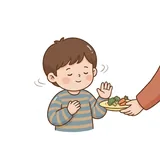 |
| 안녕하세요 L1-03 | annyeonghaseyo | hello (polite) 안녕하세요, 저는 한국어 선생님이에요 Hello, I'm a Korean teacher. | 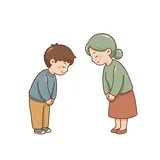 |
| 안녕히 가세요 L1-03 | annyeonghi gaseyo | goodbye — to the person LEAVING 안녕히 가세요! Goodbye, take care! | 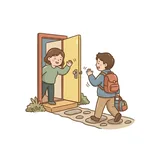 |
| 안녕히 계세요 L1-03 | annyeonghi gyeseyo | goodbye — to the person STAYING 안녕히 계세요! Goodbye, stay well! | 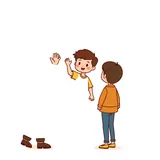 |
| 잘 부탁드립니다 L1-04 | jal butakdeurimnida | please take good care of me 잘 부탁드립니다! I look forward to working with you! | 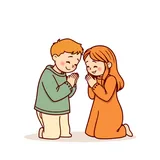 |
| 죄송합니다 L1-03 | joesonghamnida | I am sorry (formal) 아, 죄송합니다! Oh, I'm sorry! | 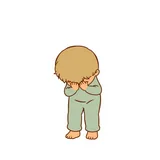 |
| 처음 뵙겠습니다 L1-04 | cheoeum boepgetseumnida | how do you do (first meeting) 처음 뵙겠습니다! How do you do! | 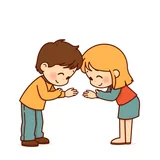 |
| 가족 L1-11 | gajok | family 우리 가족은 서울에 살아요 My family lives in Seoul. | 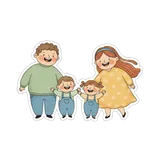 |
| 누나 L1-11 | nuna | older sister (male speaker) 우리 누나는 대학생이에요 My older sister is a college student. | 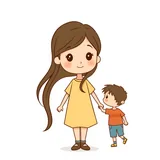 |
| 동생 L1-11 | dongsaeng | younger sibling 동생하고 도서관에서 같이 공부해요 I study with my younger sibling at the library. | 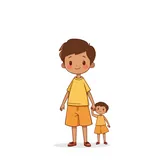 |
| 부모님 L1-11 | bumonim | parents 부모님 선물을 샀어요 I bought a present for my parents. | 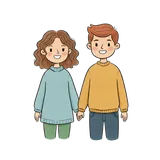 |
| 아버지 L1-11 | abeoji | father 우리 아버지는 회사원이에요 My father is an office worker. |  |
| 어머니 L1-11 | eomeoni | mother 우리 어머니는 은행에서 일하세요 My mother works at a bank. |  |
| 언니 L1-11 | eonni | older sister (female speaker) 우리 언니는 노래를 잘해요 My older sister sings well. | 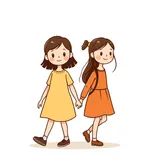 |
| 오빠 L1-11 | oppa | older brother (female speaker) 우리 오빠는 키가 커요 My older brother is tall. | 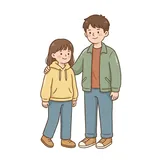 |
| 할머니 L1-11 | halmeoni | grandmother 할머니 집은 부산에 있어요 My grandmother's house is in Busan. | 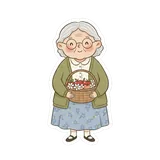 |
| 할아버지 L1-11 | harabeoji | grandfather 우리 할아버지는 거실에서 텔레비전을 보세요 My grandfather is watching TV in the living room. | 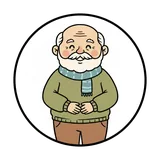 |
| 형 L1-11 | hyeong | older brother (male speaker) 우리 형은 수영을 잘해요 My older brother is good at swimming. | 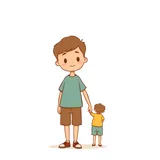 |
| 사람 L1-04 | saram | person 민수 씨는 좋은 사람이에요 Minsu is a good person. | 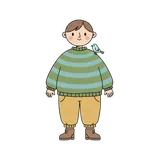 |
| 선물 L1-16 | seonmul | present, gift 친구한테 선물을 줘요 I give my friend a present. |  |
| 이름 L1-04 | ireum | name 제 이름은 민수예요 My name is Minsu. |  |
| 일하다 L1-13 | ilhada | to work 저는 카페에서 매일 일해요 일하다 → 일해요 I work at a café every day. | 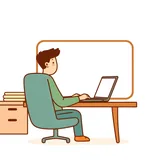 |
| 친구 L1-04 | chingu | friend 제 친구예요 This is my friend. | 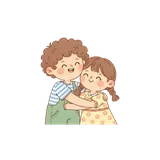 |
| 회사원 L1-04 | hoesawon | office worker 저는 회사원이에요 I'm an office worker. |  |
| 괜찮다 L1-22 | gwaenchanta | to be okay, fine 저는 괜찮아요 괜찮다 → 괜찮아요 I'm okay. |  |
| 좋다 L1-22 | jota | to be good, nice 날씨가 좋아요 좋다 → 좋아요 The weather is nice. |  |
| 아빠 L1-11 | appa | dad 아빠 차는 검정색이에요 Dad's car is black. |  |
| 엄마 L1-11 | eomma | mom 우리 엄마는 아침에 운동해요 My mom exercises in the morning. | 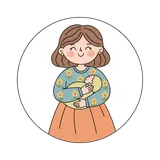 |
| 감사하다 L1-03 | gamsahada | to be thankful, grateful 도와줘서 감사해요 감사하다 → 감사해요 Thank you for helping me. | 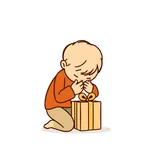 |
| 고맙다 L1-03 | gomapda | to be thankful, grateful 도와줘서 고마워요 고맙다 → 고마워요 Thanks for helping me. | 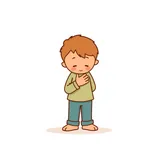 |
| 고맙습니다 L1-03 | gomapseumnida | thank you 도와줘서 고맙습니다 Thank you for helping me. | 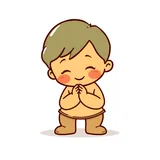 |
| 글쎄요 | geulsseyo | well, let me think 내일 날씨가 어때요? 글쎄요, 잘 모르겠어요 What's the weather like tomorrow? Well, I'm not sure. | 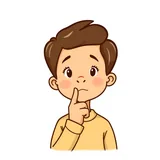 |
| 미안하다 L1-03 | mianhada | to be sorry 늦어서 미안해요 미안하다 → 미안해요 Sorry I'm late. | 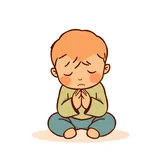 |
| 반갑다 L1-03 | bangapda | to be glad, welcome 만나서 반가워요 반갑다 → 반가워요 Nice to meet you. |  |
| 실례합니다 L1-03 | sillyehamnida | excuse me 실례합니다, 화장실이 어디예요? Excuse me, where is the restroom? | 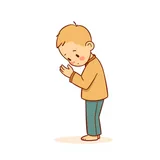 |
| 안녕하다 L1-03 | annyeonghada | to be well, fine 그동안 안녕하셨어요? 안녕하다 → 안녕하셨어요 Have you been well? |  |
| 어서 | eoseo | quickly, hurry 곧 수업을 시작해요. 어서 교실에 들어오세요 Class starts soon. Hurry into the classroom. |  |
| 어서 오세요 L1-03 | eoseo oseyo | welcome, come on in 어서 오세요. 여기에 앉으세요 Welcome. Please have a seat here. | 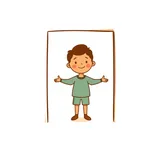 |
| 여러분 | yeoreobun | everyone, everybody 여러분 안녕하세요 Hello, everyone. | 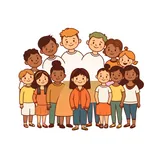 |
| 여보세요 | yeoboseyo | hello (on the phone) 여보세요, 저는 지민이에요. 지금 집에 있어요? Hello, this is Jimin. Are you at home now? |  |
| 인사¹ L1-03 | insa | greeting; bow · 인사를 하다 · 아침 인사 학생들이 선생님께 인사를 해요 The students bow to the teacher. | 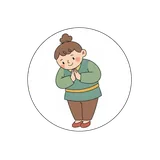 |
| 인사하다 L1-03 | insahada | to greet, say hello 선생님께 인사해요 인사하다 → 인사해요 I greet the teacher. |  |
| 죄송하다 L1-03 | joesonghada | to be sorry, apologetic 늦어서 죄송해요 죄송하다 → 죄송해요 I'm sorry I'm late. |  |
| 남동생 L1-11 | namdongsaeng | younger brother 남동생이 학교에 가요 My younger brother goes to school. | 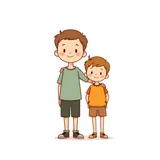 |
| 남편 L1-11 | nampyeon | husband 남편이 요리해요 My husband cooks. | 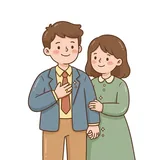 |
| 딸 L1-11 | ttal | daughter 딸이 학교에 가요 My daughter goes to school. | 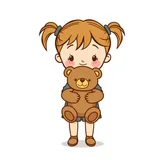 |
| 아내 L1-11 | anae | wife 아내가 요리를 해요 My wife is cooking. | 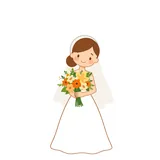 |
| 아들 L1-11 | adeul | son 아들이 두 명이에요 I have two sons. |  |
| 여동생 L1-11 | yeodongsaeng | younger sister 여동생은 요리를 좋아해요 My younger sister likes cooking. | 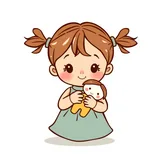 |
| 친척 L1-11 | chincheok | relative 친척이 서울에 있어요 I have relatives in Seoul. | 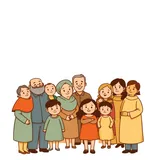 |
| 가수 L1-04 | gasu | singer 저는 가수가 되고 싶어요 I want to become a singer. | 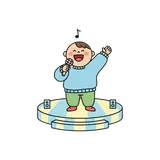 |
| 간호사 L1-04 | ganhosa | nurse 간호사가 병원에서 일해요 The nurse works at the hospital. |  |
| 결혼 | gyeolhon | marriage 결혼을 해요 I'm getting married. |  |
| 결혼식 | gyeolhonsik | wedding 결혼식에 가요 I'm going to a wedding. |  |
| 경찰 L1-04 | gyeongchal | police, police officer 경찰이 저기 있어요 The police officer is over there. |  |
| 경험 | gyeongheom | experience 한국 생활 경험이 있어요 I have experience living in Korea. |  |
| 남자 | namja | man, male 저 남자는 키가 커요 That man is tall. |  |
| 모습 | moseup | appearance, look 모습이 예뻐요 She looks pretty. | 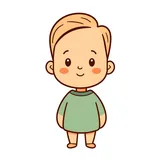 |
| 배우 L1-04 | baeu | actor 이 배우는 유명해요 This actor is famous. |  |
| 성격 | seonggyeok | personality, character 성격이 좋아요 He has a good personality. | 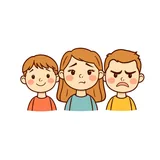 |
| 아기 | agi | baby 아기가 자요 The baby is sleeping. |  |
| 아이¹ | ai | child, kid · 아이가 놀다 아이가 공원에서 놀아요 The child is playing in the park. | 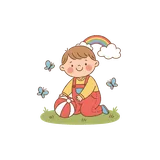 |
| 아저씨 | ajeossi | middle-aged man, mister 아저씨가 웃어요 The man is smiling. |  |
| 아주머니 | ajumeoni | middle-aged woman, ma'am 아주머니가 음식을 만들어요 The lady is making food. | 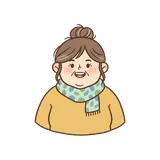 |
| 어른 | eoreun | adult 어른한테 인사해요 I greet the elders. | 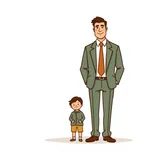 |
| 여자 | yeoja | woman, female 여자 두 명이 카페에 있어요 There are two women in the café. |  |
| 외국인 L1-04 | oegugin | foreigner 외국인이 한국어를 배워요 A foreigner is learning Korean. |  |
| 요리사 L1-04 | yorisa | cook, chef 요리사가 음식을 만들어요 The chef is making food. |  |
| 직업 L1-04 | jigeop | job, occupation 직업이 뭐예요? What do you do for a living? | 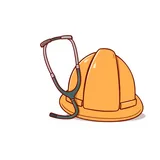 |
| 초대하다 | chodaehada | to invite 친구를 초대해요 초대하다 → 초대해요 I invite my friend. | 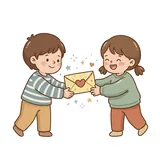 |
| 친절하다 | chinjeolhada | to be kind, friendly 선생님이 친절해요 친절하다 → 친절해요 The teacher is kind. | 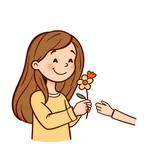 |
| 파티 | pati | party 친구 파티에 가요 I'm going to my friend's party. |  |
| 걱정 | geokjeong | worry 걱정이 없어요 I have no worries. | 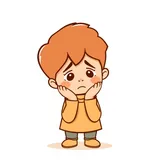 |
| 걱정하다 | geokjeonghada | to worry 너무 걱정해요 걱정하다 → 걱정해요 I worry too much. |  |
| 관심 | gwansim | interest, attention 한국어에 관심이 있어요 I'm interested in Korean. | 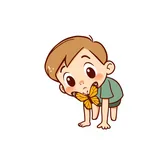 |
| 기분 | gibun | mood, feeling 기분이 좋아요 I'm in a good mood. |  |
| 기쁘다 | gippeuda | to be glad, happy 친구를 만나서 기뻐요 기쁘다 → 기뻐요 I'm happy to meet my friend. |  |
| 놀라다 | nollada | to be surprised 저는 전화 소리에 많이 놀랐어요 놀라다 → 놀랐어요 I was really startled by the phone ringing. | 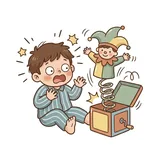 |
| 눈물 | nunmul | tears 눈물이 나요 I'm tearing up. | 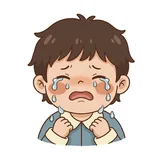 |
| 느낌 | neukkim | feeling 느낌이 좋아요 I have a good feeling. |  |
| 마음 | maeum | heart, mind 우리 선생님은 마음이 따뜻해요 Our teacher has a warm heart. |  |
| 무섭다 | museopda | to be scary, afraid 이 영화가 무서워요 무섭다 → 무서워요 This movie is scary. | 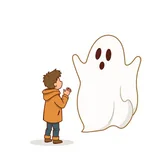 |
| 생각 | saenggak | thought, idea 좋은 생각이에요 That's a good idea. | 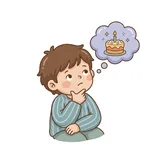 |
| 슬프다 | seulpeuda | to be sad 영화가 슬퍼요 슬프다 → 슬퍼요 The movie is sad. | 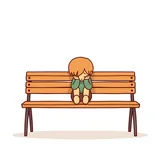 |
| 싫다 L1-17 | silta | to be disliked, unpleasant 공부가 싫어요 싫다 → 싫어요 I hate studying. | 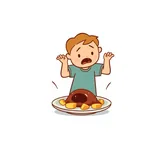 |
| 싫어하다 L1-17 | sireohada | to dislike 매운 음식을 싫어해요 싫어하다 → 싫어해요 I don't like spicy food. | 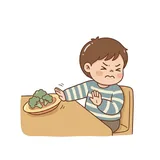 |
| 심심하다 | simsimhada | to be bored 집에 혼자 있어서 심심해요 심심하다 → 심심해요 I'm bored because I'm home alone. | 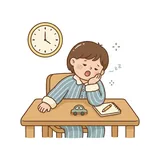 |
| 외롭다 | oeropda | to be lonely 혼자서 외로워요 외롭다 → 외로워요 I'm lonely on my own. | 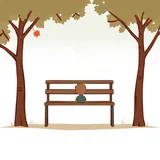 |
| 울다 | ulda | to cry 아기가 울어요 울다 → 울어요 The baby is crying. |  |
| 웃다 | utda | to laugh, smile 친구가 웃어요 웃다 → 웃어요 My friend is laughing. |  |
| 좋아하다 L1-17 | joahada | to like 한국 음식을 좋아해요 좋아하다 → 좋아해요 I like Korean food. |  |
| 즐겁다 | jeulgeopda | to be pleasant, joyful 파티가 즐거워요 즐겁다 → 즐거워요 The party is fun. | 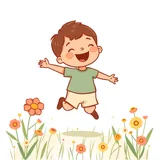 |
| 행복하다 | haengbokada | to be happy 저는 가족과 함께 행복해요 행복하다 → 행복해요 I'm happy with my family. | 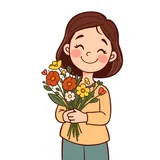 |
| 화내다 | hwanaeda | to get angry 동생이 제 빵을 먹었어요. 그래서 화를 냈어요 화내다 → 화를 냈어요 My younger sibling ate my bread. So I got angry. | 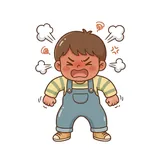 |
| 몸 | mom | body 몸이 건강해요 I'm in good health. | 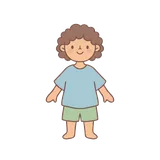 |
| 피곤 | pigon | tiredness, fatigue 오늘은 피곤해요 I'm tired today. | 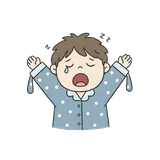 |
| 일³ | il | work, job, task · 일이 많다, 일을 하다 오늘은 회사에 일이 너무 많아요 I have too much work at the office today. | 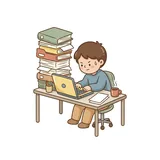 |
| 네¹ L1-03 | ne | yes 지금 학교에 가요? 네, 학교에 가요 Are you going to school now? Yes, I'm going to school. | |
| 만나서 반갑습니다 L1-03 | mannaseo bangapseumnida | nice to meet you 만나서 반갑습니다! Nice to meet you! | |
| 예¹ | ye | yes (formal/polite) · 예, 알겠어요 이 책을 읽었어요? 예, 어제 읽었어요 Did you read this book? Yes, I read it yesterday. | |
| 기억 | gieok | memory 기억이 없어요 I don't remember. | |
| 분² | bun | person; counter for people (honorific) (관형어·고유어 수) 분 · 좋은 분 우리 선생님은 정말 좋은 분이에요 Our teacher is a really good person. |
FAQ
- How many TOPIK 1 Korean people & relationships words are on this list?
- This page lists 103 beginner-level Korean people & relationships vocabulary words (TOPIK 1), each with romanization and an English meaning — free, by a certified Korean teacher.
- Is this people & relationships word list free to use?
- It is free with no sign-up. Browse and search the full list online, switch TOPIK levels above, or open the matching lessons to study the words in context.
A
Written by Alvin Lim Certified Korean Language Teacher (Level 2)