Elementary Korean People & Relationships Vocabulary List (TOPIK 2)
A complete list of 160 elementary-level Korean people & relationships vocabulary words (TOPIK 2). Every word includes romanization and its English meaning, curated by a certified Korean language teacher. Filter to search, or switch levels below.
| Korean | Romanization | Meaning | Picture |
|---|---|---|---|
| 기침 L2-09 | gichim | cough 기침이 나요 I have a cough. | 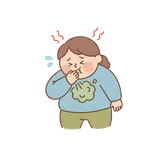 |
| 약사 L2-10 | yaksa | pharmacist 약사님이 설명해 주셨어요 The pharmacist explained it to me. | 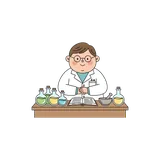 |
| 어지럽다 L2-09 | eojireopda | to be dizzy 조금 어지러워요 어지럽다 → 어지러워요 I feel a little dizzy. | 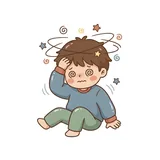 |
| 교사 | gyosa | teacher 교사가 되고 싶어요 I want to become a teacher. | 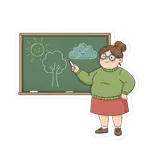 |
| 군인 | gunin | soldier 제 형은 군인이에요 My older brother is a soldier. | 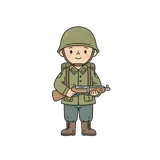 |
| 기자 | gija | journalist, reporter 기자가 됐어요 I became a journalist. | 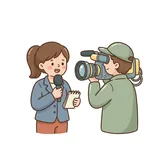 |
| 날씬하다 | nalssinhada | to be slim, slender 날씬해 보여요 날씬하다 → 날씬해 You look slim. | 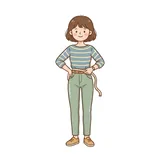 |
| 넘어지다 | neomeojida | to fall down, trip 길에서 넘어졌어요 넘어지다 → 넘어졌어요 I fell down on the street. | 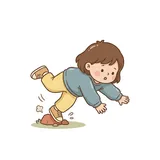 |
| 노인 | noin | elderly person, old person 노인에게 자리를 양보해요 I give my seat to an elderly person. | 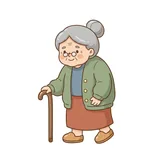 |
| 두통 | dutong | headache 두통이 심해요 I have a bad headache. | 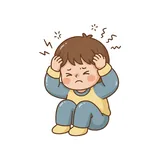 |
| 땀 | ttam | sweat 땀이 많이 났어요 I sweated a lot. | 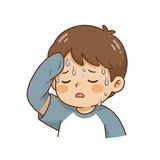 |
| 뚱뚱하다 | ttungttunghada | to be fat, overweight 조금 뚱뚱해졌어요 뚱뚱하다 → 뚱뚱해졌어요 I've gotten a little fat. | 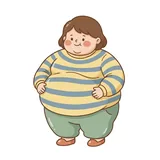 |
| 뜨다¹ | tteuda | to open (one's eyes) · 눈을 뜨다 눈을 크게 뜨고 앞을 보세요 뜨다 → 뜨고 Open your eyes wide and look ahead. | 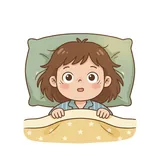 |
| 발가락 | balgarak | toe 발가락이 아파요 My toe hurts. | 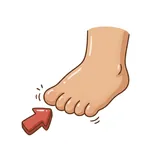 |
| 발바닥 | balbadak | sole of the foot 발바닥이 아파요 The sole of my foot hurts. | 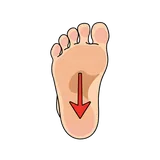 |
| 부부 | bubu | married couple, husband and wife 행복한 부부예요 They're a happy couple. | 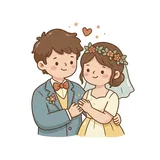 |
| 상처 | sangcheo | wound, injury, scar 상처가 났어요 I got hurt. | 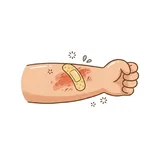 |
| 손바닥 | sonbadak | palm of the hand 손바닥을 봐요 I look at my palm. | 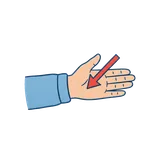 |
| 아나운서 | anaunseo | announcer, newscaster 아나운서가 되고 싶어요 I want to become an announcer. | 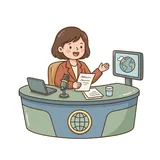 |
| 안다 | anda | to hug, to hold in arms 아이를 안았어요 안다 → 안았어요 I hugged the child. | 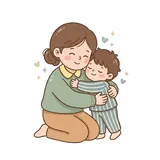 |
| 얼음 | eoreum | ice 얼음을 넣어요 I add ice. | 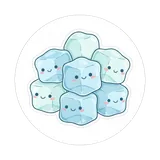 |
| 엉덩이 | eongdeongi | buttocks, bottom 엉덩이가 아파요 My bottom hurts. | 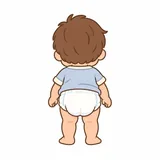 |
| 오른손 | oreunson | right hand 오른손으로 써요 I write with my right hand. | 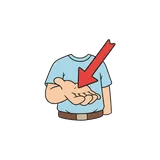 |
| 옷장 | otjang | wardrobe, closet 옷장에 걸어 두세요 Hang it in the wardrobe. | 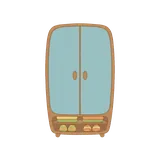 |
| 중학생 | junghaksaeng | middle school student 옆집 아이는 올해 중학생이 되었어요 The kid next door became a middle schooler this year. | 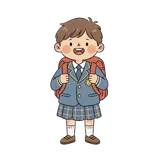 |
| 차갑다 | chagapda | to be cold (to the touch) 물이 차가워요 차갑다 → 차가워요 The water is cold. | 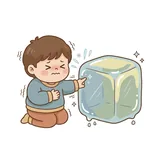 |
| 초등학생 | chodeunghaksaeng | elementary school student 제 동생은 초등학생이에요 My younger sibling is an elementary school student. | 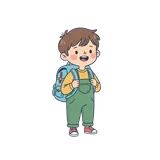 |
| 고민 L2-12 | gomin | a worry you mull over; dilemma 고민이 있어요 I have something on my mind. | |
| 귀엽다 L2-03 | gwiyeopda | to be cute 귀여운 아기예요 귀엽다 → 귀여운 It's a cute baby. | |
| 답답하다 L2-11 | dapdapada | to feel stifled / frustrated 너무 답답해요 답답하다 → 답답해요 I feel so frustrated. | |
| 똑똑하다 L2-03 | ttokttokada | to be smart, clever 똑똑한 학생이에요 똑똑하다 → 똑똑한 She's a smart student. | |
| 부럽다 L2-11 | bureopda | to be envious, jealous (in a good way) 와, 부러워요! 부럽다 → 부러워요 Wow, I'm so jealous! | |
| 어울리다 L2-04 | eoullida | to suit, to match 그 색깔이 잘 어울려요 어울리다 → 어울려요 That color really suits you. | |
| 잘생기다 L2-03 | jalsaenggida | to be good-looking / handsome 잘생긴 배우예요 잘생기다 → 잘생긴 He's a handsome actor. | |
| 화나다 L2-11 | hwanada | to get angry 약속을 지키지 않아서 화났어요 화나다 → 화났어요 I was angry because they didn't keep their promise. | |
| 강하다 | ganghada | to be strong, powerful 바람이 강해요 강하다 → 강해요 The wind is strong. | |
| 거짓말 | geojinmal | lie, falsehood 거짓말하지 마세요 Don't lie. | |
| 걸음 | georeum | step, pace, walk 걸음이 빨라요 He walks fast. | |
| 게으르다 | geeureuda | to be lazy 게으른 사람이에요 게으르다 → 게으른 He's a lazy person. | |
| 결심 | gyeolsim | determination, resolution 결심이 섰어요 I've made up my mind. | |
| 고개¹ | gogae | head, neck · 고개를 들다, 고개를 끄덕이다 고개를 끄덕였어요 He nodded his head. | |
| 고등학생 | godeunghaksaeng | high school student 저는 고등학생이에요 I'm a high school student. | |
| 고모 | gomo | paternal aunt (father's sister) 고모가 오셨어요 My aunt came over. | |
| 공무원 | gongmuwon | civil servant, government official 공무원이 되고 싶어요 I want to become a civil servant. | |
| 관광객 | gwangwanggaek | tourist 관광객이 많아요 There are a lot of tourists. | |
| 굵다 | gukda | to be thick, fat (in width) 나무가 굵어요 굵다 → 굵어요 The tree is thick. | |
| 궁금하다 | gunggeumhada | to be curious, wonder 결과가 궁금해요 궁금하다 → 궁금해요 I'm curious about the result. | |
| 귀여워하다 | gwiyeowohada | to adore, find cute 아이를 귀여워해요 귀여워하다 → 귀여워해요 She adores the child. | |
| 귀찮다 | gwichanta | to be bothersome, annoying 오늘은 피곤해서 청소가 귀찮아요 귀찮다 → 귀찮아요 I'm tired today, so cleaning feels like a chore. | |
| 그립다 | geuripda | to be missed, longed for 고향이 그리워요 그립다 → 그리워요 I miss my hometown. | |
| 급하다 | geupada | to be urgent, pressing 일이 급해요 급하다 → 급해요 The matter is urgent. | |
| 기뻐하다 | gippeohada | to be glad, rejoice 선물을 받고 기뻐했어요 기뻐하다 → 기뻐했어요 She was glad to get the present. | |
| 기쁨 | gippeum | joy, happiness 친구를 다시 만나서 큰 기쁨을 느꼈어요 I felt great joy meeting my friend again. | |
| 기억나다 | gieongnada | to recall, come to mind 이름이 기억나요? 기억나다 → 기억나요 Do you remember the name? | |
| 긴장 | ginjang | tension, nervousness 긴장하지 마세요 Don't be nervous. | |
| 꾸다¹ | kkuda | to dream · 꿈을 꾸다 좋은 꿈을 꿨어요 꾸다 → 꿨어요 I had a good dream. | |
| 꿈 | kkum | dream 꿈이 뭐예요? What's your dream? | |
| 나이 | nai | age 나이가 어떻게 돼요? How old are you? | |
| 남¹ | nam | another person, stranger, others · 남의 일, 남한테 남한테 싫은 소리 하지 마세요 Don't say mean things to others. | |
| 남녀 | namnyeo | men and women 남녀 모두 환영해요 Men and women are both welcome. | |
| 남성 | namseong | male, man 남성 전용이에요 It's for men only. | |
| 남학생 | namhaksaeng | male student 남학생이 많아요 There are a lot of male students. | |
| 낫다¹ | natda | to get better, recover · 병이 낫다 · 감기가 낫다 감기가 다 나았어요 낫다 → 나았어요 My cold is all better. | |
| 냄새 | naemsae | smell, odor 냄새가 좋아요 It smells good. | |
| 느끼다 | neukkida | to feel, sense 행복을 느껴요 느끼다 → 느껴요 I feel happy. | |
| 늙다 | neukda | to age, grow old 많이 늙었어요 늙다 → 늙었어요 He has aged a lot. | |
| 능력 | neungnyeok | ability, competence 능력이 있어요 She is capable. | |
| 다치다 | dachida | to get hurt, be injured 다쳤어요? 괜찮아요? 다치다 → 다쳤어요 Did you get hurt? Are you okay? | |
| 닮다 | damda | to resemble, look like 아빠를 많이 닮았어요 닮다 → 닮았어요 I look a lot like my dad. | |
| 덕분 | deokbun | thanks to, owing to 덕분에 잘됐어요 Thanks to you, it went well. | |
| 데려가다 | deryeogada | to take someone there 아이를 학교에 데려가요 데려가다 → 데려가요 I take my child to school. | |
| 데려오다 | deryeooda | to bring someone here 아이를 데려왔어요 데려오다 → 데려왔어요 I brought the child here. | |
| 도움 | doum | help, assistance 도움이 필요해요 I need help. | |
| 들리다¹ | deullida | to be heard, can be heard · 소리가 들리다 음악이 들려요 들리다 → 들려요 I can hear music. | |
| 마르다 | mareuda | to dry up, become thin 빨래가 말랐어요 마르다 → 말랐어요 The laundry is dry. | |
| 만지다 | manjida | to touch 만지지 마세요 만지다 → 만지지 Please don't touch it. | |
| 멈추다 | meomchuda | to stop, to halt 차가 멈췄어요 멈추다 → 멈췄어요 The car stopped. | |
| 모시다 | mosida | to escort, to serve respectfully 할머니를 모셔요 모시다 → 모셔요 I take care of my grandmother. | |
| 목소리 | moksori | voice 목소리가 좋아요 He has a nice voice. | |
| 못생기다 | motsaenggida | to be ugly, unattractive 이 인형은 얼굴이 조금 못생겼어요 못생기다 → 못생겼어요 This doll's face is a little ugly. | |
| 믿다 | mitda | to believe, to trust 저를 믿어요? 믿다 → 믿어요 Do you trust me? | |
| 바라다 | barada | to hope, to wish, to desire 저는 가족의 건강과 행복을 바라요 바라다 → 바라요 I wish for my family's health and happiness. | |
| 배탈 | baetal | upset stomach, stomach trouble 배탈이 났어요 I have an upset stomach. | |
| 버릇 | beoreut | habit, bad habit 나쁜 버릇이에요 It's a bad habit. | |
| 변호사 | byeonhosa | lawyer, attorney 변호사가 됐어요 I became a lawyer. | |
| 뵙다 | boepda | to meet (humble form of 만나다) 그럼 다음에 다시 뵙죠 뵙다 → 뵙죠 Then I'll see you again next time. | |
| 부끄럽다 | bukkeureopda | to be embarrassed, to be ashamed 사람들 앞에서 노래를 불러서 부끄러웠어요 부끄럽다 → 부끄러웠어요 I sang in front of people, so I was embarrassed. | |
| 부르다 | bureuda | to be full (stomach) 배가 불러요 부르다 → 불러요 I'm full. | |
| 부인¹ | buin | wife (formal), madame · 부인께서 부인이 아름다워요 Your wife is beautiful. | |
| 부자¹ | buja | rich person, wealthy person · 부자가 되다 부자가 되고 싶어요 I want to become rich. | |
| 부장 | bujang | department head, division manager 부장님이 오셨어요 The department head is here. | |
| 분위기 | bunwigi | atmosphere, mood, ambiance 분위기가 좋아요 The atmosphere is nice. | |
| 불쌍하다 | bulssanghada | to be pitiful, to be pathetic 불쌍한 고양이예요 불쌍하다 → 불쌍한 It's a poor little cat. | |
| 불안 | buran | anxiety, unease 시험 때문에 불안해요 I'm anxious about the exam. | |
| 붉다 | bukda | to be red, ruddy 노을이 붉어요 붉다 → 붉어요 The sunset is red. | |
| 빨갛다 | ppalgata | to be red 빨간 사과예요 빨갛다 → 빨간 It's a red apple. | |
| 뽑다 | ppopda | to pull out, to select, to elect 이를 뽑았어요 뽑다 → 뽑았어요 I had a tooth pulled. | |
| 사장 | sajang | company president, boss 사장님이 오셨어요 The boss is here. | |
| 삼촌 | samchon | uncle (father's younger brother) 삼촌이 선물을 줬어요 My uncle gave me a present. | |
| 생각나다 | saenggangnada | to come to mind, to be recalled 갑자기 생각났어요 생각나다 → 생각났어요 It suddenly came to me. | |
| 선배 | seonbae | senior, upperclassman 선배한테 물어봤어요 I asked my senior. | |
| 선수 | seonsu | athlete, player 유명한 선수예요 He's a famous athlete. | |
| 섭섭하다 | seopseopada | to feel sorry, to feel regretful, sad 헤어져서 섭섭해요 섭섭하다 → 섭섭해요 I'm sad to say goodbye. | |
| 성¹ | seong | surname, family name · 성이 김이다 · 성과 이름 성이 뭐예요? What's your last name? | |
| 성함 | seongham | name (honorific) 성함이 어떻게 되세요? May I have your name? | |
| 세다¹ | seda | to be strong, to be powerful · 힘이 세다 힘이 세요 세다 → 세요 He's strong. | |
| 소중하다 | sojunghada | to be precious, to be valuable 가족이 소중해요 소중하다 → 소중해요 My family is precious. | |
| 손녀 | sonnyeo | granddaughter 손녀가 태어났어요 My granddaughter was born. | |
| 수고 | sugo | effort, hard work 오늘 정말 수고했어요 You worked really hard today. | |
| 스트레스 | seuteureseu | stress 스트레스 받았어요 I got stressed. | |
| 슬퍼하다 | seulpeohada | to feel sad, to be saddened 친구가 슬퍼했어요 슬퍼하다 → 슬퍼했어요 My friend was sad. | |
| 슬픔 | seulpeum | sadness, sorrow 슬픔을 느껴요 I feel sadness. | |
| 습관 | seupgwan | habit, custom 민수는 아침마다 운동을 하는 습관이 있어요 Minsu has a habit of exercising every morning. | |
| 시끄럽다 | sikkeureopda | to be noisy, to be loud 너무 시끄러워요 시끄럽다 → 시끄러워요 It's too noisy. | |
| 시어머니 | sieomeoni | mother-in-law (husband's mother) 시어머니께 드려요 I give it to my mother-in-law. | |
| 식구 | sikgu | family member, household member 식구가 몇 명이에요? How many people are in your family? | |
| 신랑 | sillang | groom, bridegroom 신랑이 잘생겼어요 The groom is handsome. | |
| 신부¹ | sinbu | bride · 신랑과 신부 신부가 예뻐요 The bride is pretty. | |
| 실수 | silsu | mistake, error 편지에 주소를 잘못 썼어요. 제 실수예요 I wrote the address wrong on the letter. It's my mistake. | |
| 심하다 | simhada | to be severe, to be serious 감기가 심해요 심하다 → 심해요 My cold is bad. | |
| 싸우다 | ssauda | to fight, to quarrel 왜 싸웠어요? 싸우다 → 싸웠어요 Why did you fight? | |
| 아가씨 | agassi | young woman, miss 저 아가씨가 친절해요 That young lady is kind. | |
| 아버님 | abeonim | father (honorific term of address) 아버님, 건강하세요? Father, are you well? | |
| 아줌마 | ajumma | middle-aged woman, auntie (informal) 아줌마가 불렀어요 The lady called me. | |
| 애¹ | ae | child, kid (informal) · 그 애, 애가 귀엽다 옆집 애가 웃을 때 정말 귀여워요 The child next door is really cute when they smile. | |
| 애인 | aein | lover, romantic partner 애인이 있어요? Do you have a boyfriend or girlfriend? | |
| 약하다 | yakada | to be weak, to be frail 몸이 약해요 약하다 → 약해요 I'm physically weak. | |
| 어젯밤 | eojetbam | last night, yesterday night 어젯밤에 잘 잤어요? Did you sleep well last night? | |
| 얼다 | eolda | to freeze, to ice over 강이 얼었어요 얼다 → 얼었어요 The river froze. | |
| 연락 | yeollak | contact, communication 집에 가서 연락할게요 I'll contact you when I get home. | |
| 예매 | yemae | advance ticket purchase, booking 표를 예매했어요 I booked tickets in advance. | |
| 예술 | yesul | art, fine arts 예술을 좋아해요 I like art. | |
| 옛날 | yennal | old days, ancient times 옛날 이야기예요 It's a story from long ago. | |
| 오랫동안 | oraetdongan | for a long time 오랫동안 기다렸어요 I waited for a long time. | |
| 완전히 | wanjeonhi | completely, totally 아침에 옷을 빨았어요. 지금은 완전히 말랐어요 I washed the clothes in the morning. Now they're completely dry. | |
| 왜냐하면 | waenyahamyeon | because, the reason is 오늘은 집에서 쉬어요. 왜냐하면 몸이 많이 아프기 때문이에요 I'm resting at home today. That's because I'm really sick. | |
| 외출 | oechul | going out, outing 외출 준비를 해요 I get ready to go out. | |
| 울음 | ureum | crying, weeping 울음을 참았어요 I held back my tears. | |
| 움직이다 | umjigida | to move, to stir 손을 움직여요 움직이다 → 움직여요 I move my hand. | |
| 웃음 | useum | laughter, smile 웃음이 나와요 I can't help laughing. | |
| 위험 | wiheom | danger, risk 위험해요, 조심해요! It's dangerous, be careful! | |
| 음료 | eumnyo | beverage, drink 음료 한 잔 드세요 Please have a drink. | |
| 의미 | uimi | meaning, significance 의미가 뭐예요? What does it mean? | |
| 이렇다 | ireota | to be like this, to be such 이렇게 해요 이렇다 → 이렇게 Do it like this. | |
| 이르다¹ | ireuda | to be early, to be premature · 이른 아침 · 아직 이르다 아직 이른 것 같아요 이르다 → 이른 I think it's still too early. | |
| 이모 | imo | maternal aunt (mother's sister) 이모가 오셨어요 My aunt came over. | |
| 익숙하다 | iksukada | to be familiar with, to be accustomed to 한국 생활에 익숙해요 익숙하다 → 익숙해요 I'm used to life in Korea. | |
| 저렇다 | jeoreota | to be like that, to be that way 왜 저렇게 해요? 저렇다 → 저렇게 Why are they doing that? | |
| 젊다 | jeomda | to be young 아직 젊어요 젊다 → 젊어요 I'm still young. | |
| 조카 | joka | nephew, niece 조카가 귀여워요 My nephew is cute. | |
| 죽다 | jukda | to die 꽃이 죽었어요 죽다 → 죽었어요 The flowers died. | |
| 줄다 | julda | to decrease, to diminish 인구가 줄고 있어요 줄다 → 줄고 The population is decreasing. | |
| 착하다 | chakada | to be kind, to be good-natured 마음이 착해요 착하다 → 착해요 She's kind-hearted. | |
| 튼튼하다 | teunteunhada | to be strong, sturdy, healthy 몸이 튼튼해요 튼튼하다 → 튼튼해요 He's physically strong. | |
| 파랗다 | parata | to be blue 오늘은 구름이 없어서 하늘이 파래요 파랗다 → 파래요 There are no clouds today, so the sky is blue. | |
| 편찮다 | pyeonchanta | to be unwell, to be ill (honorific) 할머니께서 편찮으세요 편찮다 → 편찮으세요 My grandmother is unwell. | |
| 푸르다 | pureuda | to be blue, to be green, to be lush 하늘이 푸르러요 푸르다 → 푸르러요 The sky is blue. | |
| 형제 | hyeongje | siblings, brothers and sisters 형제가 있어요? Do you have siblings? | |
| 화려하다 | hwaryeohada | to be colorful, flashy, splendid 무대가 화려해요 화려하다 → 화려해요 The stage is dazzling. | |
| 훌륭하다 | hullyunghada | to be excellent, outstanding, admirable 정말 훌륭해요 훌륭하다 → 훌륭해요 It's truly excellent. |
FAQ
- How many TOPIK 2 Korean people & relationships words are on this list?
- This page lists 160 elementary-level Korean people & relationships vocabulary words (TOPIK 2), each with romanization and an English meaning — free, by a certified Korean teacher.
- Is this people & relationships word list free to use?
- It is free with no sign-up. Browse and search the full list online, switch TOPIK levels above, or open the matching lessons to study the words in context.
A
Written by Alvin Lim Certified Korean Language Teacher (Level 2)