Intermediate Korean People & Relationships Vocabulary List (TOPIK 4)
A complete list of 133 intermediate-level Korean people & relationships vocabulary words (TOPIK 4). Every word includes romanization and its English meaning, curated by a certified Korean language teacher. Filter to search, or switch levels below.
| Korean | Romanization | Meaning | Picture |
|---|---|---|---|
| 다투다 L4-23 | datuda | to quarrel, to compete, to fight 두 사람이 사소한 일로 다퉜어요 다투다 → 다퉜어요 The two people argued over something trivial. | 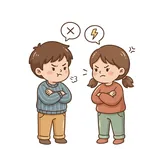 |
| 재우다 L4-04 | jaeuda | to put to sleep, to put someone to bed 아기를 재우는 데 한 시간 걸렸어요 재우다 → 재우는 It took an hour to get the baby to sleep. | 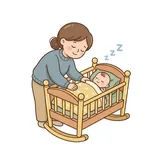 |
| 가정주부 | gajeongjubu | housewife, homemaker 어머니는 가정주부로 살았어요 My mother lived as a homemaker. | 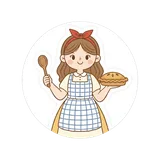 |
| 간¹ | gan | seasoning, saltiness (of food) · 간이 싱겁다, 간을 맞추다 간이 좀 싱거운 것 같아요 I think it needs a little more seasoning. | 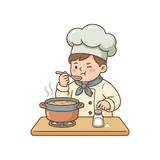 |
| 거지 | geoji | beggar 거지가 길가에 앉아 있었어요 A beggar was sitting by the roadside. | 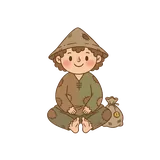 |
| 교장 | gyojang | principal, school head 교장 선생님이 조회 시간에 말씀하셨어요 The principal spoke at the morning assembly. | 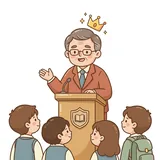 |
| 구부리다 | guburida | to bend, to curve 허리를 앞으로 구부려요 구부리다 → 구부려요 Bend forward at the waist. | 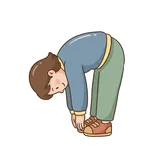 |
| 근로자 | geulloja | worker, laborer 근로자들의 권리가 중요해요 Workers' rights are important. | 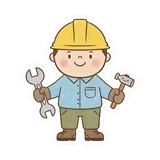 |
| 껴안다 | kkyeoanda | to hug, to embrace 아이를 꼭 껴안았어요 껴안다 → 껴안았어요 I hugged the child tightly. | 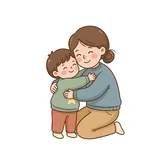 |
| 꾸미다 | kkumida | to decorate, to adorn, to arrange 방을 예쁘게 꾸몄어요 꾸미다 → 꾸몄어요 I decorated the room nicely. | 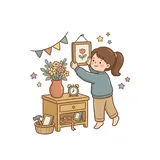 |
| 꿇다 | kkulta | to kneel 무릎을 꿇고 바닥에 앉아서 스트레칭을 해요 꿇다 → 꿇고 I kneel on the floor to do some stretches. | 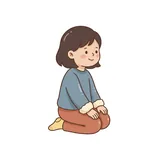 |
| 남매 | nammae | brother and sister, siblings 우리는 남매 사이예요 We are brother and sister. | 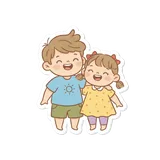 |
| 노동자 | nodongja | worker, laborer 노동자들이 파업을 시작했어요 The workers went on strike. | 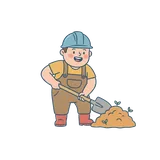 |
| 농민 | nongmin | farmer, peasant 농민들이 새벽부터 일을 해요 The farmers start working at dawn. |  |
| 뇌 | noe | brain 뇌는 우리 몸에서 중요한 기관이에요 The brain is an important organ in our body. | 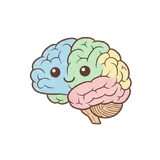 |
| 눈동자 | nundongja | pupil (of eye), iris 아기의 눈동자가 아주 맑아요 The baby's eyes are very clear. | 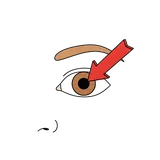 |
| 눈썹 | nunsseop | eyebrow 눈썹을 다듬었어요 I trimmed my eyebrows. | 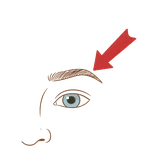 |
| 목마르다 | mongmareuda | to be thirsty, to crave 오래 걸었더니 목말라요 목마르다 → 목말라요 I'm thirsty after walking for so long. | 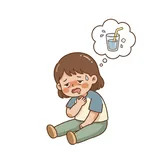 |
| 몸통 | momtong | torso, trunk, body 수영할 때 몸통의 자세가 중요해요 The position of your torso is important when swimming. |  |
| 반짝이다 | banjjagida | to twinkle, to sparkle 별이 밤하늘에서 반짝여요 반짝이다 → 반짝여요 The stars sparkle in the night sky. |  |
| 속눈썹 | songnunsseop | eyelash 속눈썹이 길면 예뻐 보여요 Long eyelashes look pretty. | 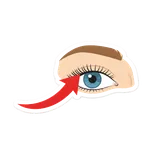 |
| 심장 | simjang | heart (organ) 심장이 빠르게 뛰어요 My heart is beating fast. |  |
| 연애 | yeonae | romance, dating 연애를 시작한 지 한 달이 됐어요 It's been a month since we started dating. |  |
| 지폐 | jipye | banknote, paper money 지폐를 동전으로 바꿔 달라고 했어요 I asked to have a bill changed into coins. |  |
| 첫사랑 | cheotsarang | first love 첫사랑을 잊지 못해요 I can't forget my first love. | 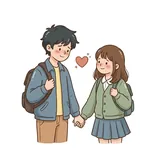 |
| 폭발 | pokbal | explosion, blast 공장에서 폭발 사고가 났어요 There was an explosion at the factory. |  |
| 검사² | geomsa | prosecutor · 검사가 되다 그 친구는 법대를 졸업하고 검사가 됐어요 That friend graduated from law school and became a prosecutor. | 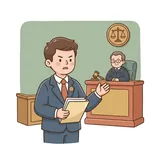 |
| 대사³ | daesa | ambassador · 미국 대사, 주한 대사 한국 주재 미국 대사가 기자 회견을 했어요 The U.S. ambassador to Korea held a press conference. | 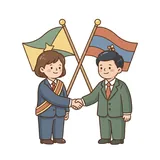 |
| 대리님 L4-01 | daerinim | assistant manager (honorific) 대리님, 이 서류 검토해 주실 수 있을까요? Could you review this document, Assistant Manager? | |
| 결혼하다 L4-05 | gyeolhonhada | to get married 친구가 다음 달에 결혼한대요 결혼하다 → 결혼한대요 My friend says they're getting married next month. | |
| 사상자 L4-15 | sasangja | casualties 다행히 이번 사고로 인한 사상자는 없어요 Fortunately, no one was killed or injured in this accident. | |
| 화해하다 L4-23 | hwahaehada | to make up, reconcile 싸웠던 친구와 드디어 화해했어요 화해하다 → 화해했어요 I finally made up with the friend I'd argued with. | |
| 성실하다 L4-25 | seongsilhada | to be sincere, diligent 민수 씨는 어떤 일이든 성실하게 임해요 성실하다 → 성실하게 Minsu approaches every task diligently. | |
| 거칠다 | geochilda | to be rough, to be coarse 이 천은 표면이 거칠어요 거칠다 → 거칠어요 This fabric has a rough surface. | |
| 걱정스럽다 | geokjeongseureopda | to be worried, to be anxious 아이가 늦게 돌아와서 걱정스러워요 걱정스럽다 → 걱정스러워요 I'm worried because my child gets home late. | |
| 검사¹ | geomsa | inspection, examination, test · 건강 검사 건강 검사를 받으러 병원에 갔어요 I went to the hospital for a health checkup. | |
| 겁나다 | geomnada | to be scared, to be frightened 혼자 밤길을 걷다가 겁났어요 겁나다 → 겁났어요 I got scared while walking alone at night. | |
| 겉모습 | geonmoseup | outward appearance, outer look 겉모습만 보고 판단하면 안 돼요 You shouldn't judge by appearances alone. | |
| 견디다 | gyeondida | to endure, to bear 더위를 잘 견뎌야 해요 견디다 → 견뎌야 We need to be able to handle the heat. | |
| 겸손 | gyeomson | humility, modesty 민수 씨는 항상 겸손한 태도를 보여요 Minsu always shows humility. | |
| 고독 | godok | loneliness, solitude 혼자 사는 노인은 고독을 느껴요 The elderly person who lives alone feels lonely. | |
| 고마워하다 | gomawohada | to feel grateful, to be thankful 수진 씨는 친구가 도와줘서 정말 고마워해요 고마워하다 → 고마워해요 Sujin is really grateful for her friend's help. | |
| 고통 | gotong | pain, agony 허리가 아파서 큰 고통을 겪었어요 I suffered a lot because my back hurt. | |
| 고통스럽다 | gotongseureopda | to be painful, to be agonizing 다리를 다쳐서 고통스러워요 고통스럽다 → 고통스러워요 I'm in pain because I hurt my leg. | |
| 공손하다 | gongsonhada | to be polite, to be courteous 그 직원은 손님께 공손하게 대해요 공손하다 → 공손하게 That employee treats customers courteously. | |
| 관계자 | gwangyeja | person involved, relevant person 관계자 이외에는 들어올 수 없어요 Only authorized personnel may enter. | |
| 괴로움 | goeroum | suffering, distress, anguish 실패의 괴로움을 잊을 수 없어요 I can't forget the pain of failure. | |
| 괴로워하다 | goerowohada | to suffer, to be in distress 민수 씨는 실패 때문에 오랫동안 괴로워했어요 괴로워하다 → 괴로워했어요 Minsu was distressed for a long time because of the failure. | |
| 괴롭다 | goeropda | to be agonizing, to be distressing 일이 너무 많아서 괴로워요 괴롭다 → 괴로워요 I'm overwhelmed by how much work I have. | |
| 괴롭히다 | goeropida | to torment, to bully 친구를 괴롭히면 안 돼요 괴롭히다 → 괴롭히면 You shouldn't bully your friends. | |
| 교육자 | gyoyukja | educator, teacher 그분은 훌륭한 교육자예요 That person is an excellent educator. | |
| 굽히다 | gupida | to bend, to yield, to bow 허리를 굽혀서 인사했어요 굽히다 → 굽혀서 I bowed at the waist to greet them. | |
| 귀하다 | gwihada | to be rare, to be precious 이런 기회는 정말 귀해요 귀하다 → 귀해요 Opportunities like this are truly rare. | |
| 그리움 | geurium | longing, yearning, nostalgia 고향에 대한 그리움이 마음속에 가득해요 My heart is full of longing for my hometown. | |
| 근심 | geunsim | worry, anxiety, concern 부모님은 자녀 걱정에 근심이 많아요 Parents have many worries about their children. | |
| 기업가 | gieopga | entrepreneur, businessperson 그분은 성공한 기업가예요 That person is a successful entrepreneur. | |
| 기울이다 | giurida | to tilt, to devote, to pour into 선수들은 훈련에 온 힘을 기울이고 있어요 기울이다 → 기울이고 The athletes are putting all their effort into training. | |
| 기혼 | gihon | being married 그분은 기혼이라고 들었어요 I heard that person is married. | |
| 꼼꼼하다 | kkomkkomhada | to be meticulous, to be thorough, careful 그 직원은 일을 정말 꼼꼼하게 해요 꼼꼼하다 → 꼼꼼하게 That employee is very thorough in their work. | |
| 끌어안다 | kkeureoanda | to pull into an embrace, to hug tightly 엄마가 아이를 끌어안았어요 끌어안다 → 끌어안았어요 The mother pulled her child into a hug. | |
| 나무라다 | namurada | to scold, to reproach, to blame 선생님이 늦은 학생을 나무랐어요 나무라다 → 나무랐어요 The teacher scolded the student who was late. | |
| 난처하다 | nancheohada | to be in a difficult position, to be embarrassed 갑자기 그런 부탁을 받으니 난처해요 난처하다 → 난처해요 Being asked for a favor like that out of the blue puts me in a difficult position. | |
| 너그럽다 | neogeureopda | to be generous, to be magnanimous 그분은 제가 실수를 해도 너그럽게 용서해요 너그럽다 → 너그럽게 That person is forgiving even when I make mistakes. | |
| 노려보다 | noryeoboda | to glare at, to stare at 그 사람이 저를 무섭게 노려보았어요 노려보다 → 노려보았어요 That person gave me a frightening glare. | |
| 놀리다¹ | nollida | to tease, to mock, to make fun of · 친구를 놀리다 친구들이 저를 놀려서 속상했어요 놀리다 → 놀려서 I was upset because my friends teased me. | |
| 누님 | nunim | older sister (male speaker's elder sister) 누님이 선물을 보내 줬어요 My older sister sent me a gift. | |
| 눈감다 | nungamda | to close one's eyes, to turn a blind eye 그 사실을 알고도 눈감았어요 눈감다 → 눈감았어요 I turned a blind eye even though I knew about it. | |
| 눈길 | nungil | gaze, glance, eye contact 민수 씨의 눈길이 나에게 향했어요 Minsu's gaze turned toward me. | |
| 눈빛 | nunbit | look in one's eyes, gaze, eye expression 그 사람의 눈빛이 따뜻해요 That person has a warm look in their eyes. | |
| 눈치 | nunchi | social awareness, ability to read the room 친구는 눈치가 빨라서 부탁하기 전에 도와줘요 My friend picks up on things quickly and helps before I even ask. | |
| 느긋하다 | neugeutada | to be relaxed, to be easygoing, to be unhurried 그 사람은 성격이 느긋해요 느긋하다 → 느긋해요 That person has an easygoing personality. | |
| 달래다 | dallaeda | to soothe, to comfort, to calm 우는 아이를 달래줬어요 달래다 → 달래줬어요 I soothed the crying child. | |
| 담임 | damim | homeroom teacher, class teacher 담임 선생님이 부모님께 연락했어요 My homeroom teacher contacted my parents. | |
| 당당하다 | dangdanghada | to be confident, to be dignified, to be bold 민수 씨는 항상 당당하게 말해요 당당하다 → 당당하게 Minsu always speaks confidently. | |
| 당하다 | danghada | to suffer, to undergo, to experience (negative) 사기를 당해서 속상해요 당하다 → 당해서 I'm upset because I got scammed. | |
| 덕택 | deoktaek | thanks, owing to, benefit 친구 덕택에 취직할 수 있었어요 I was able to find a job thanks to my friend. | |
| 돌아서다 | doraseoda | to turn around, to turn away 화가 나서 그냥 돌아섰어요 돌아서다 → 돌아섰어요 I was angry, so I just turned away. | |
| 되돌리다 | doedollida | to revert, to turn back, to reverse 잘못된 결정을 되돌릴 수 없어요 되돌리다 → 되돌릴 We can't reverse the wrong decision. | |
| 두렵다 | duryeopda | to be frightening, fearful, afraid 혼자 밤길을 걷는 것이 두려워요 두렵다 → 두려워요 I'm afraid to walk alone at night. | |
| 뒤따르다 | dwittareuda | to follow behind, to trail after 강아지가 주인을 뒤따랐어요 뒤따르다 → 뒤따랐어요 The puppy followed its owner. | |
| 든든하다 | deundeunhada | to be reliable, reassuring, solid 든든한 친구가 곁에 있어서 안심돼요 든든하다 → 든든한 I feel reassured with a dependable friend by my side. | |
| 몰려들다 | mollyeodeulda | to crowd in, to rush in, to pour in 콘서트장에 팬들이 몰려들었어요 몰려들다 → 몰려들었어요 Fans crowded into the concert venue. | |
| 몸속 | momsok | inside the body, within the body 바이러스가 몸속에 들어왔어요 A virus entered my body. | |
| 못되다 | motdoeda | to be bad, wicked, mean, nasty 그런 못된 행동은 하면 안 돼요 못되다 → 못된 You shouldn't behave in such a mean way. | |
| 무책임 | muchaegim | irresponsibility 그런 행동은 무책임해요 That kind of behavior is irresponsible. | |
| 밀리다² | millida | to be postponed, to be pushed back (a schedule) · 일정이 밀리다, 회의가 뒤로 밀리다 일정이 밀려서 걱정이에요 밀리다 → 밀려서 I'm worried because the schedule has been pushed back. | |
| 변덕스럽다 | byeondeokseureopda | to be capricious, to be moody 날씨가 너무 변덕스러워요 변덕스럽다 → 변덕스러워요 The weather is so unpredictable. | |
| 본래 | bollae | originally, by nature 그 사람은 본래 착한 사람이에요 That person is kind by nature. | |
| 부끄러워하다 | bukkeureowohada | to feel embarrassed, to be ashamed 실수를 하고 나서 부끄러워했어요 부끄러워하다 → 부끄러워했어요 They felt embarrassed after making a mistake. | |
| 부정적 | bujeongjeok | negative, pessimistic 부정적인 생각은 도움이 안 돼요 Negative thoughts don't help. | |
| 불친절 | bulchinjeol | unfriendliness, unkindness 직원의 불친절한 태도에 실망했어요 I was disappointed by the employee's unfriendly attitude. | |
| 불쾌 | bulkwae | displeasure, discomfort 그 말을 듣고 불쾌했어요 I felt offended when I heard that. | |
| 불행 | bulhaeng | unhappiness, misfortune 큰 불행이 찾아왔어요 A great misfortune struck. | |
| 사랑스럽다 | sarangseureopda | to be lovely, to be adorable 아기가 너무 사랑스러워요 사랑스럽다 → 사랑스러워요 The baby is so adorable. | |
| 색다르다 | saekdareuda | to be different and fresh, to be novel 오늘 주문한 음식이 색달랐어요 색다르다 → 색달랐어요 The food I ordered today was something different. | |
| 서럽다 | seoreopda | to be sad, to feel sorrowful 혼자 남겨져서 서러웠어요 서럽다 → 서러웠어요 I felt hurt and sad about being left alone. | |
| 소극적 | sogeukjeok | passive, unassertive 소극적인 태도를 바꿔야 해요 You need to change your passive attitude. | |
| 속마음 | songmaeum | inner feelings, true heart 속마음을 솔직하게 말했어요 I spoke honestly about my true feelings. | |
| 솔직하다 | soljikada | to be honest, to be frank 그 친구는 언제나 솔직해요 솔직하다 → 솔직해요 That friend is always honest. | |
| 수많다 | sumanta | to be very many, to be numerous 수많은 사람이 광장에 모였어요 수많다 → 수많은 A huge number of people gathered in the square. | |
| 순수하다 | sunsuhada | to be pure, to be innocent 아이의 눈빛이 순수해요 순수하다 → 순수해요 The child's eyes look so innocent. | |
| 쑥스럽다 | ssukseureopda | to be embarrassed, to feel shy 낯선 사람 앞에서 말하기가 쑥스러웠어요 쑥스럽다 → 쑥스러웠어요 I felt shy about speaking in front of strangers. | |
| 씩씩하다 | ssikssikada | to be brave, to be bold 그 아이는 정말 씩씩해요 씩씩하다 → 씩씩해요 That child is really brave. | |
| 알아주다 | arajuda | to recognize, to acknowledge 노력을 알아줘서 감사해요 알아주다 → 알아줘서 Thank you for recognizing my efforts. | |
| 애¹ | ae | child, kid (informal) · 그 애, 애가 귀엽다 그 애가 교실에서 조용히 앉아 있어요 That child is sitting quietly in the classroom. | |
| 우습다 | useupda | to be funny, to be ridiculous 그 이야기는 정말 우스워요 우습다 → 우스워요 That story is really funny. | |
| 웃기다 | utgida | to make someone laugh, to be funny 그 코미디언은 사람들을 잘 웃겨요 웃기다 → 웃겨요 That comedian is good at making people laugh. | |
| 원만하다 | wonmanhada | to be smooth, to be harmonious 두 사람의 관계가 원만해요 원만하다 → 원만해요 The two have a harmonious relationship. | |
| 유쾌 | yukwae | cheerfulness, pleasantness 그 모임은 정말 유쾌했어요 That gathering was really enjoyable. | |
| 이기적 | igijeok | selfish, self-centered 이기적인 행동은 좋지 않아요 Selfish behavior is not good. | |
| 이외 | ioe | other than, besides, except 이것 이외에도 다른 방법이 있어요 There are other methods besides this one. | |
| 인물 | inmul | person, figure, character 역사 속 유명한 인물을 조사했어요 I researched a famous historical figure. | |
| 일시적 | ilsijeok | temporary, momentary 이것은 일시적인 문제예요 This is a temporary problem. | |
| 잘나다 | jallada | to be talented, to be outstanding 그 학생은 정말 잘난 사람이에요 잘나다 → 잘난 That student is a really outstanding person. | |
| 적극적 | jeokgeukjeok | active, proactive 그 사람은 일에 적극적이에요 That person takes a proactive approach to work. | |
| 지혜롭다 | jihyeropda | to be wise, full of wisdom 할머니는 정말 지혜로운 분이에요 지혜롭다 → 지혜로운 My grandmother is a very wise person. | |
| 진지하다 | jinjihada | to be earnest, serious 민수 씨는 항상 진지하게 이야기해요 진지하다 → 진지하게 Minsu always speaks seriously. | |
| 친정 | chinjeong | wife's parents' home, maternal home 명절에 친정에 다녀왔어요 I visited my parents' home for the holiday. | |
| 평범하다 | pyeongbeomhada | to be ordinary, to be average 민수 씨는 아주 평범한 사람이에요 평범하다 → 평범한 Minsu is a very ordinary person. | |
| 평화롭다 | pyeonghwaropda | to be peaceful, to be tranquil 주말 오후의 공원이 평화로워요 평화롭다 → 평화로워요 The park is peaceful on weekend afternoons. | |
| 폐지 | pyeji | abolition, repeal 낡은 법의 폐지를 요구했어요 We called for the repeal of the outdated law. | |
| 핵심 | haeksim | core, key point 발표의 핵심을 먼저 말해 주세요 Please start with the key point of your presentation. | |
| 혼내다 | honnaeda | to scold, to discipline 선생님이 떠드는 학생을 혼냈어요 혼내다 → 혼냈어요 The teacher scolded the student who was making noise. | |
| 활동적 | hwaldongjeok | active, energetic 그분은 활동적인 성격이에요 That person has an energetic personality. | |
| 흘러나오다 | heulleonaoda | to flow out, to stream out 스피커에서 음악이 흘러나왔어요 흘러나오다 → 흘러나왔어요 Music came from the speakers. | |
| 철² | cheol | maturity, good sense (knowing right from wrong) · 철이 들다, 철이 없다 아들이 요즘 철이 들어서 집안일을 많이 도와요 My son has matured lately and helps a lot with housework. | |
| 가장² | gajang | head of the household, breadwinner · 집안의 가장 그 사람은 어린 나이에 한 집안의 가장이 됐어요 He became the head of the household at a young age. | |
| 부족² | bujok | tribe · 부족 공동체 그 섬에는 오래전부터 작은 부족이 살고 있어요 A small tribe has lived on that island for a long time. | |
| 수상² | susang | prime minister · 국가의 수상 영국 수상이 한국을 방문했어요 The British prime minister visited Korea. | |
| 자원² | jawon | volunteering, acting of one's own accord · 자원해서 하다, 자원입대 민수 씨는 자원해서 행사 안내를 맡았어요 Minsu volunteered to guide guests at the event. | |
| 임금² | imgeum | king, monarch · 임금님, 나라의 임금 옛날 이 궁궐에는 임금이 살았어요 Long ago, a king lived in this palace. | |
| 애³ | ae | anxiety, distress · 애가 타다, 애를 태우다 밤늦도록 아이가 돌아오지 않아서 애가 탔어요 I was frantic with worry because my child hadn't come home even late at night. | |
| 빠지다⁵ | ppajida | to be lost, to decrease (body weight) · 살이 빠지다, 체중이 빠지다 매일 걷기 운동을 했더니 살이 조금 빠졌어요 빠지다 → 빠졌어요 I lost a little weight after walking for exercise every day. |
FAQ
- How many TOPIK 4 Korean people & relationships words are on this list?
- This page lists 133 intermediate-level Korean people & relationships vocabulary words (TOPIK 4), each with romanization and an English meaning — free, by a certified Korean teacher.
- Is this people & relationships word list free to use?
- It is free with no sign-up. Browse and search the full list online, switch TOPIK levels above, or open the matching lessons to study the words in context.
A
Written by Alvin Lim Certified Korean Language Teacher (Level 2)